

25 Anxiety Reducing Activities for Brave Kids
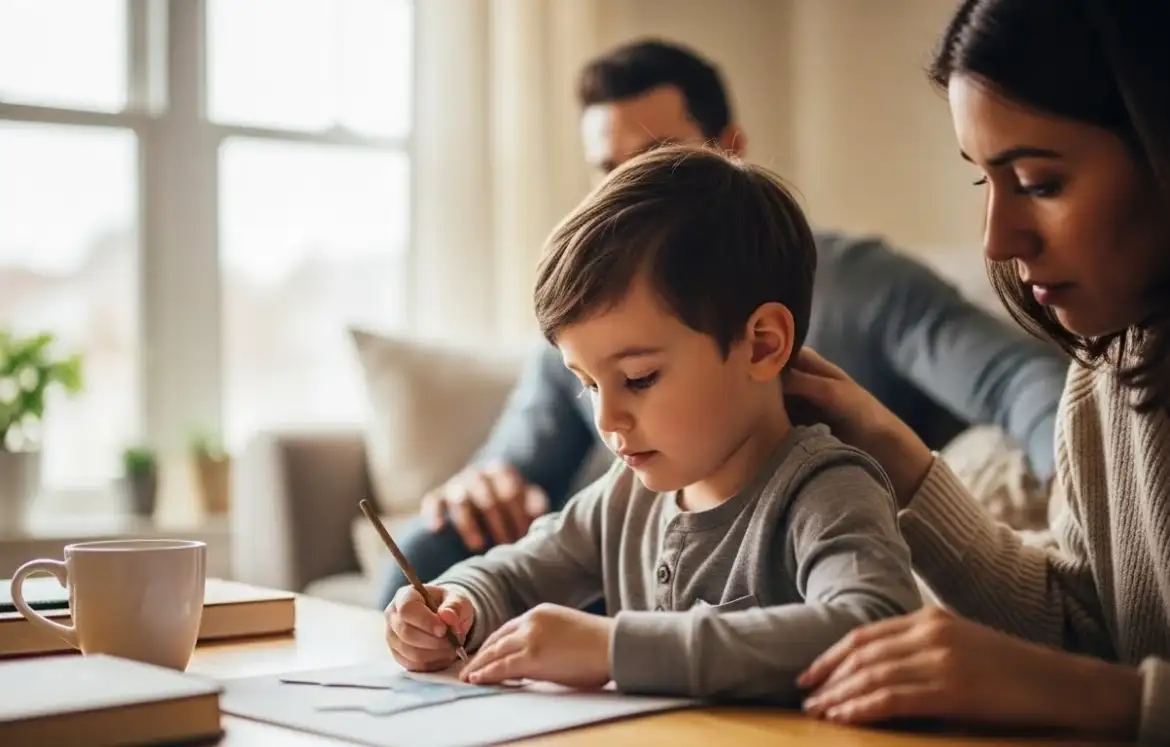
Childhood anxiety shows up in small, everyday moments. A quiet pause before school. A tight grip on a parent’s hand. Big feelings in little bodies. Parents often search for gentle ways to help kids feel safer without pressure or lectures. The activities below focus on simple actions that fit real family life. They use play, routine, creativity, and connection. Most cost little or nothing. Each one helps kids practice calm in ways that feel doable, friendly, and empowering.
- Cozy Breathing Corner
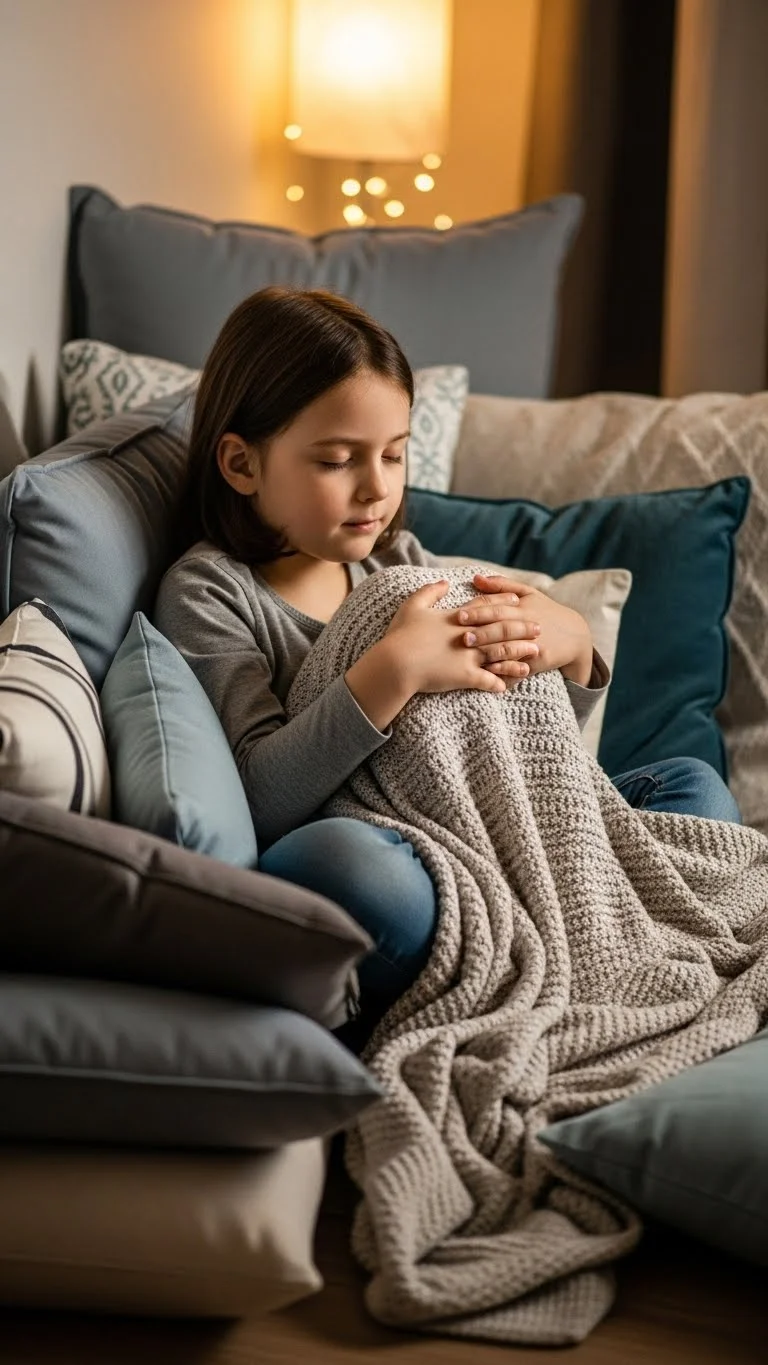
A cozy breathing corner gives children a safe place to pause when emotions feel big. This small, quiet space signals calm without needing many words. Use items you already have—couch pillows, a soft blanket, or a folded towel. Keep it simple and inviting, not crowded. Sit with your child at first and model slow breathing. Inhale gently through the nose and exhale through the mouth. Counting breaths together can help, but keep sessions short. One or two minutes is enough. The goal is comfort, not performance. Offer the corner as a choice, never a rule. Children are more likely to use it when it feels safe and voluntary. Over time, kids learn they can slow their body and mind on their own. This builds confidence and emotional self-control in a gentle, natural way.
- Worry Drawing Time
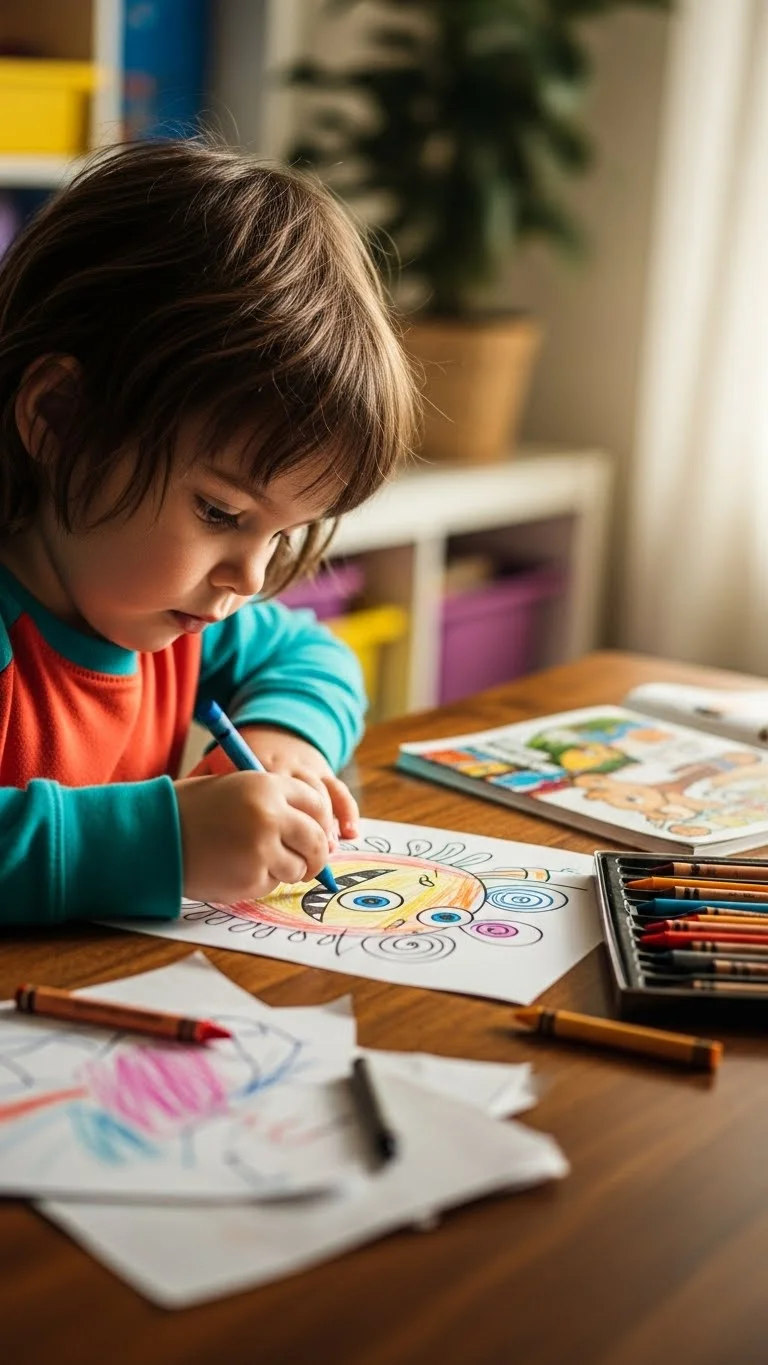
Some children express feelings better through art than words. Worry drawing time allows kids to make anxiety visible instead of keeping it inside. Provide paper and crayons and invite your child to draw what their worry looks like. There is no right or wrong way to do this. Afterwards, ask gentle questions like, “What is the worry doing?” or “What helps it feel smaller?” Listen without trying to fix the problem. Feeling heard often brings relief on its own. Use scrap paper or old notebooks to keep this activity low-cost. When finished, let your child decide what happens to the drawing—keep it, fold it, or throw it away. Choice matters. Over time, children gain awareness of their worries and feel more capable of managing them calmly.
- Calm Music Moments
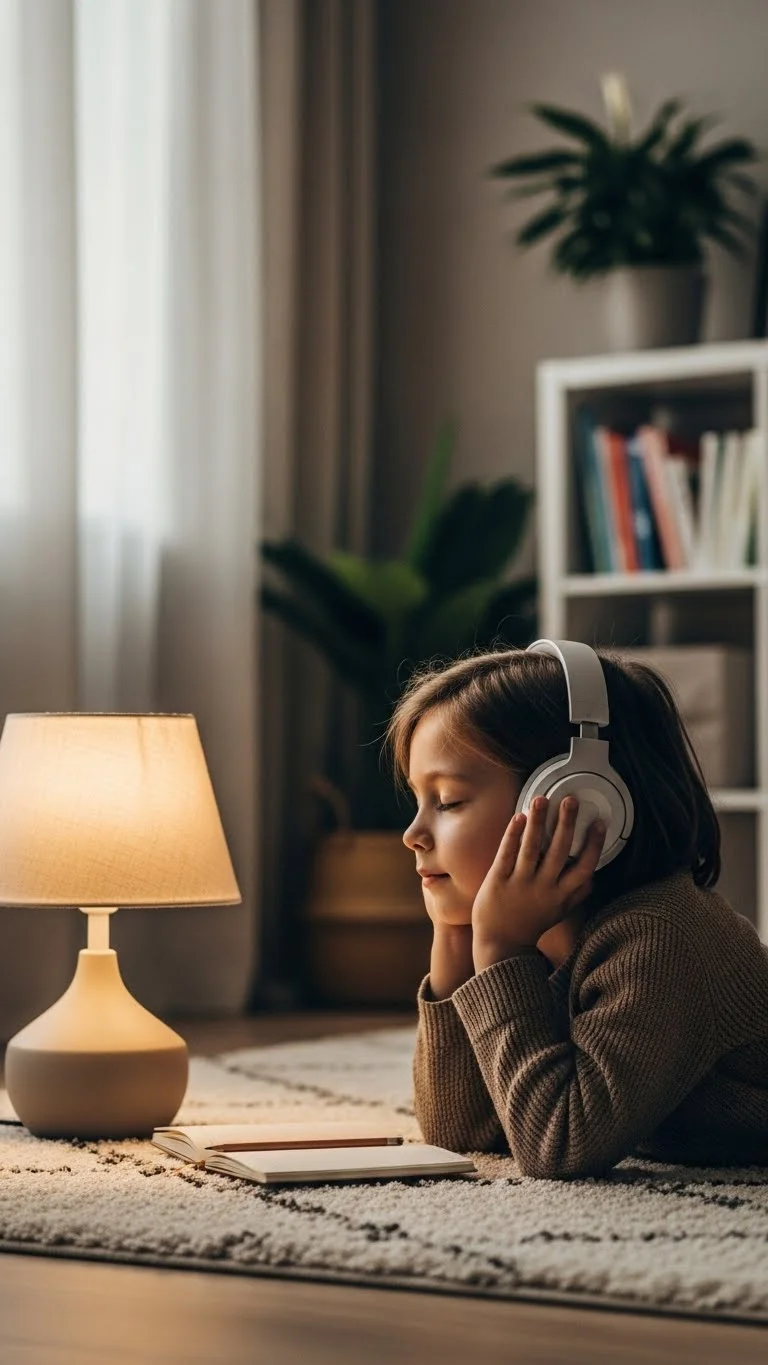
Music has a powerful effect on mood and can help anxious children reset quickly. Choose calm songs with a steady rhythm, gentle instruments, or nature sounds. Sit or lie down together and listen quietly for a few minutes. Keep sessions short and relaxed. Five minutes is often enough to-create a shift. You can ask your child how their body feels before and after, but keep it casual and pressure-free. Free playlists or radio stations work well—no special equipment is needed. Let your child help choose the music so they feel involved. Avoid intense lyrics or fast beats. Over time, children learn which sounds help them feel calm. This builds a simple coping skill they can use anytime stress appears.
- Feelings Check-In Chart
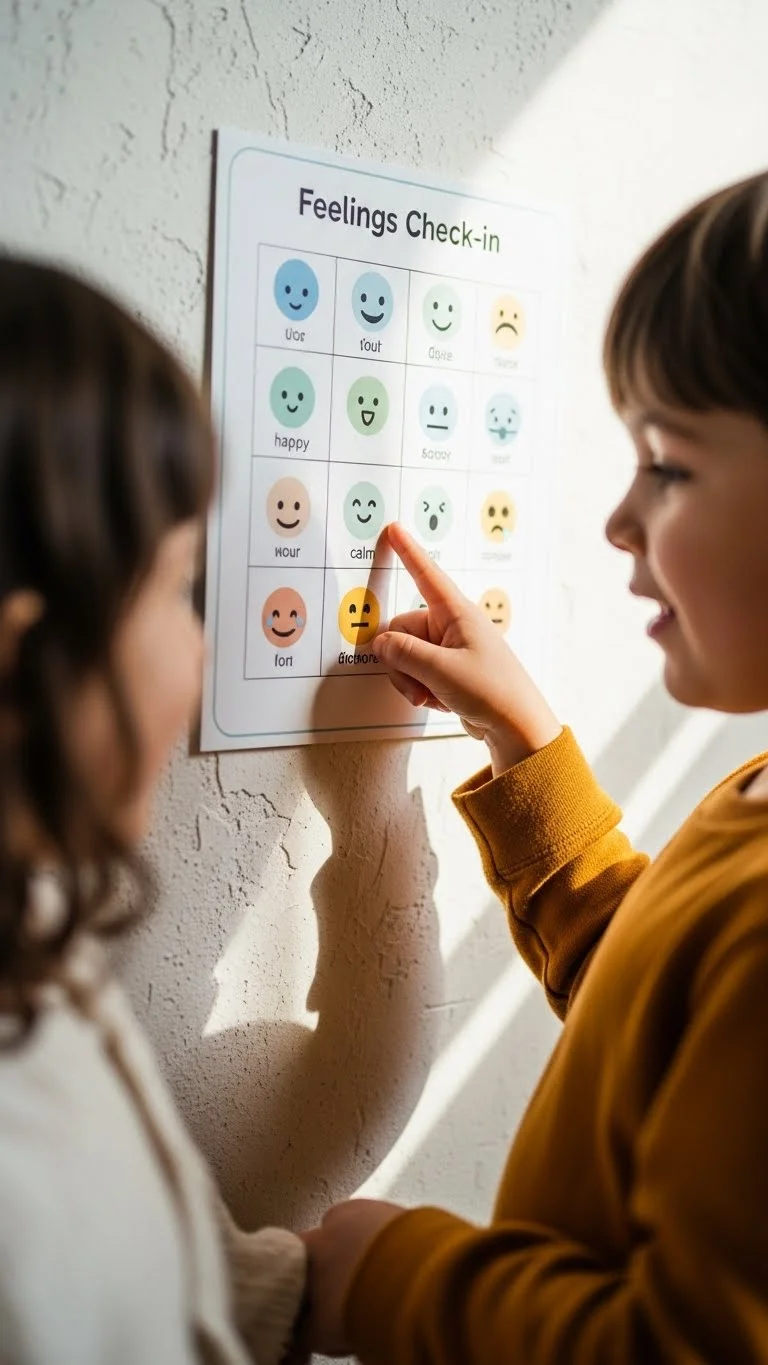
A feelings check-in chart helps children recognise and name emotions without long conversations. Create a simple chart with faces showing different feelings and place it at your child’s eye level. Each day, invite them to point to how they feel. There’s no need to explain or solve anything. This activity works best during calm moments, not during meltdowns. You can model the habit by sharing your own feelings in a simple way. A DIY chart made from paper and markers works perfectly. Over time, children learn that all feelings are allowed and temporary. Naming emotions reduces fear and confusion. This quiet daily check-in builds emotional awareness and opens communication gently, helping anxiety feel more manageable and less overwhelming.
5. Stuffed Animal Talks 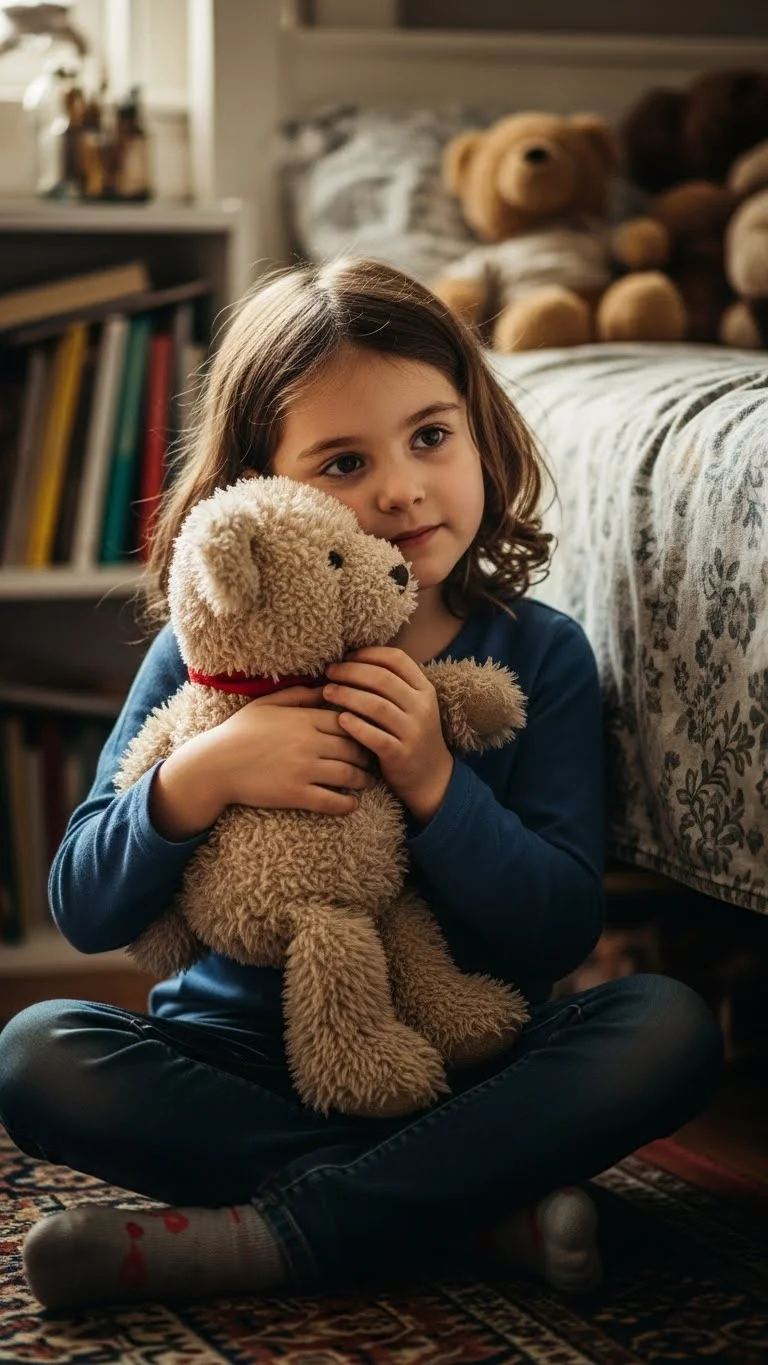
Stuffed animals often feel safer than direct conversation for anxious children. Inviting a favourite toy to “talk” gives kids emotional distance from their worries. Ask gentle questions like, “What is your bear worried about today?” and listen closely to the response. There is no need to correct or solve the problem. Simply hearing the worry out loud can bring relief. Use toys your child already loves—no new purchases are needed. Join the play only if invited and follow your child’s lead. This kind of imaginative play helps children express feelings they may not have words for yet. Over time, stuffed animal talks build emotional awareness and trust. Kids learn that sharing worries can feel safe, calm, and supported.
- Simple Yoga Stretches
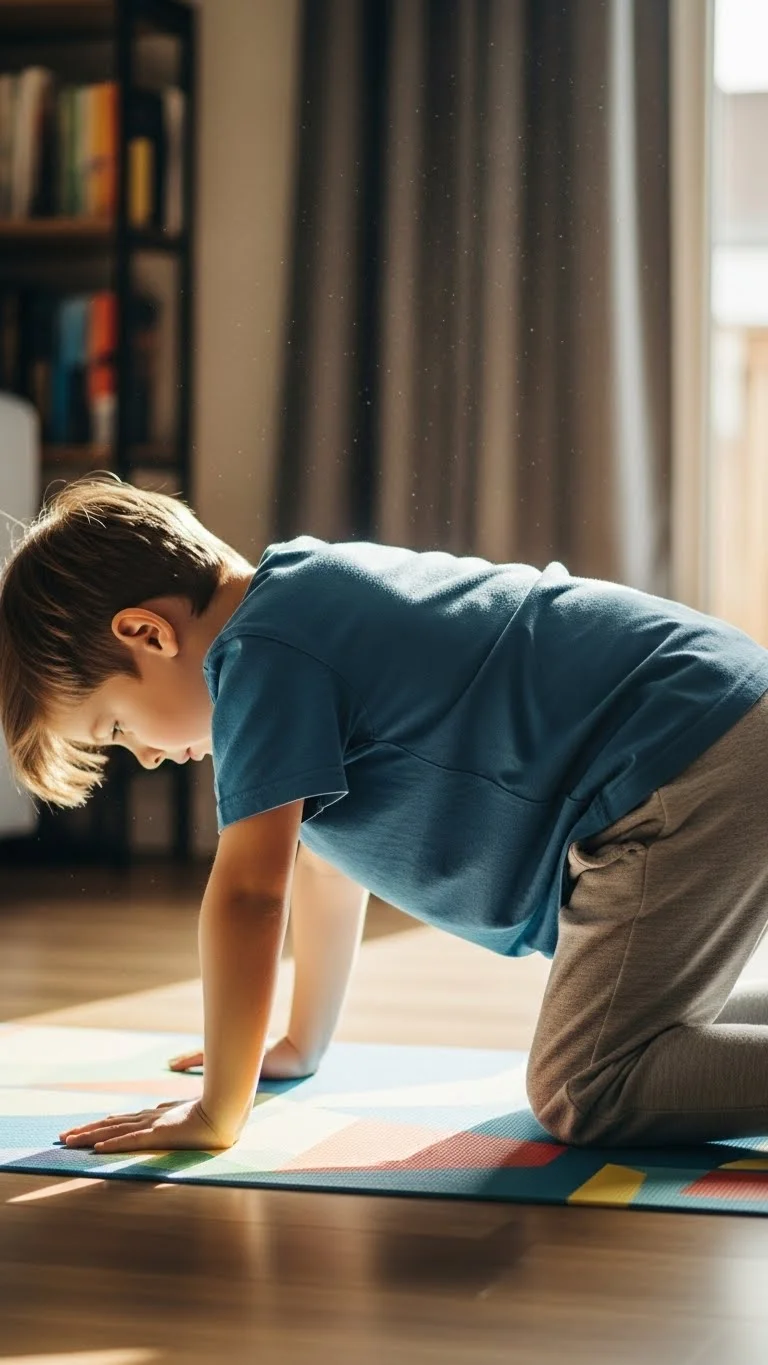
Gentle stretching helps release physical tension that often comes with anxiety. Choose just two or three easy poses and keep the session short. Animal-themed stretches like cat, dog, or star pose make movement feel fun and accessible. You don’t need special equipment. A carpet or soft floor works fine. Stretching together increases comfort and connection. Encourage slow breathing while moving, but avoid strict instructions. This activity works well in the morning, after school, or before bed. Movement helps anxious energy settle naturally. Over time, children begin to notice how their body feels and learn that stretching can help them calm down. Simple yoga builds both physical awareness and emotional regulation.
- Nature Walk Noticing
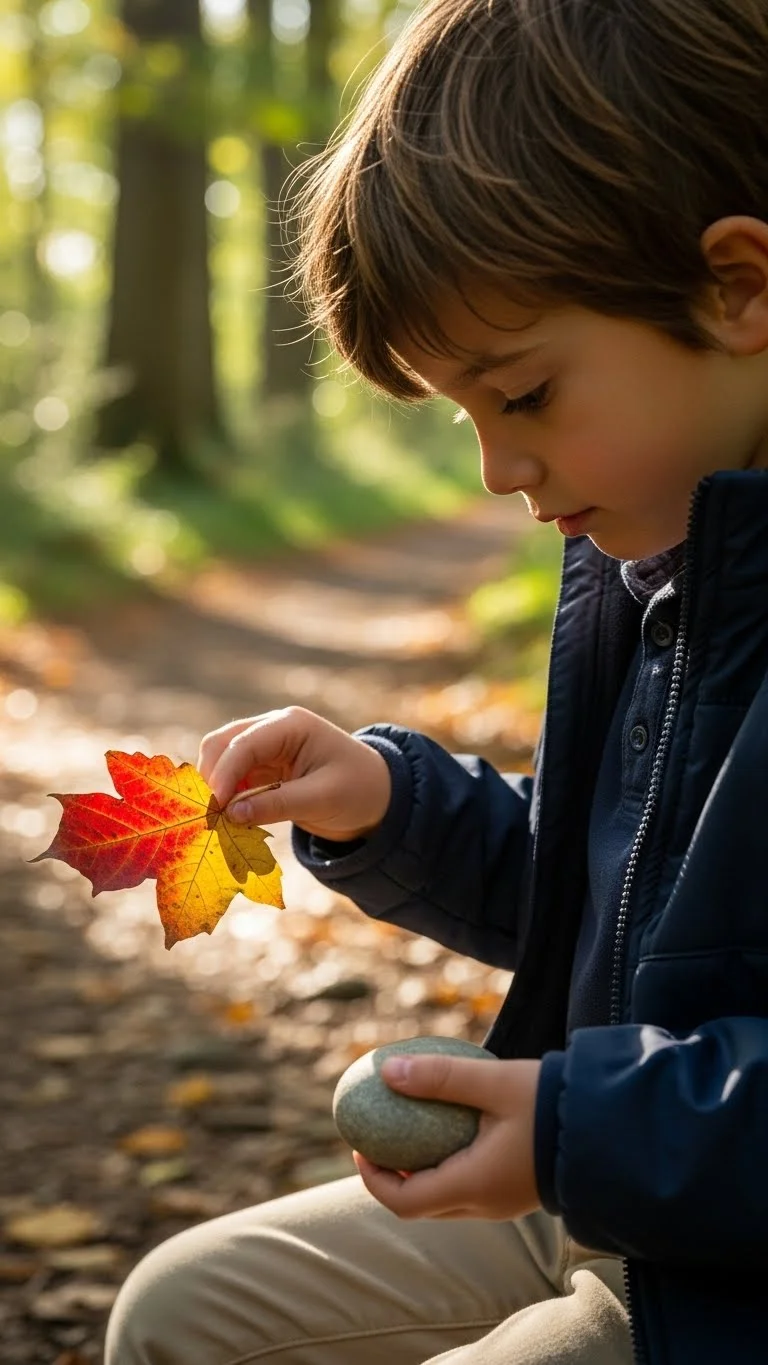
A slow walk with focused noticing helps anxious thoughts settle. Ask your child to point out five things they can see, four things they can hear, or one thing they can touch. This gently brings attention to the present moment. No special location is needed. Sidewalks, parks, or even a backyard work. Keep the pace relaxed and the conversation minimal. Let observation lead instead of discussion. Nature naturally supports calm without effort. This practice grounds the body and mind, making it easier to step out of worry. Over time, children learn that slowing down and noticing their surroundings can help them feel steady and safe.
- Worry Box Ritual
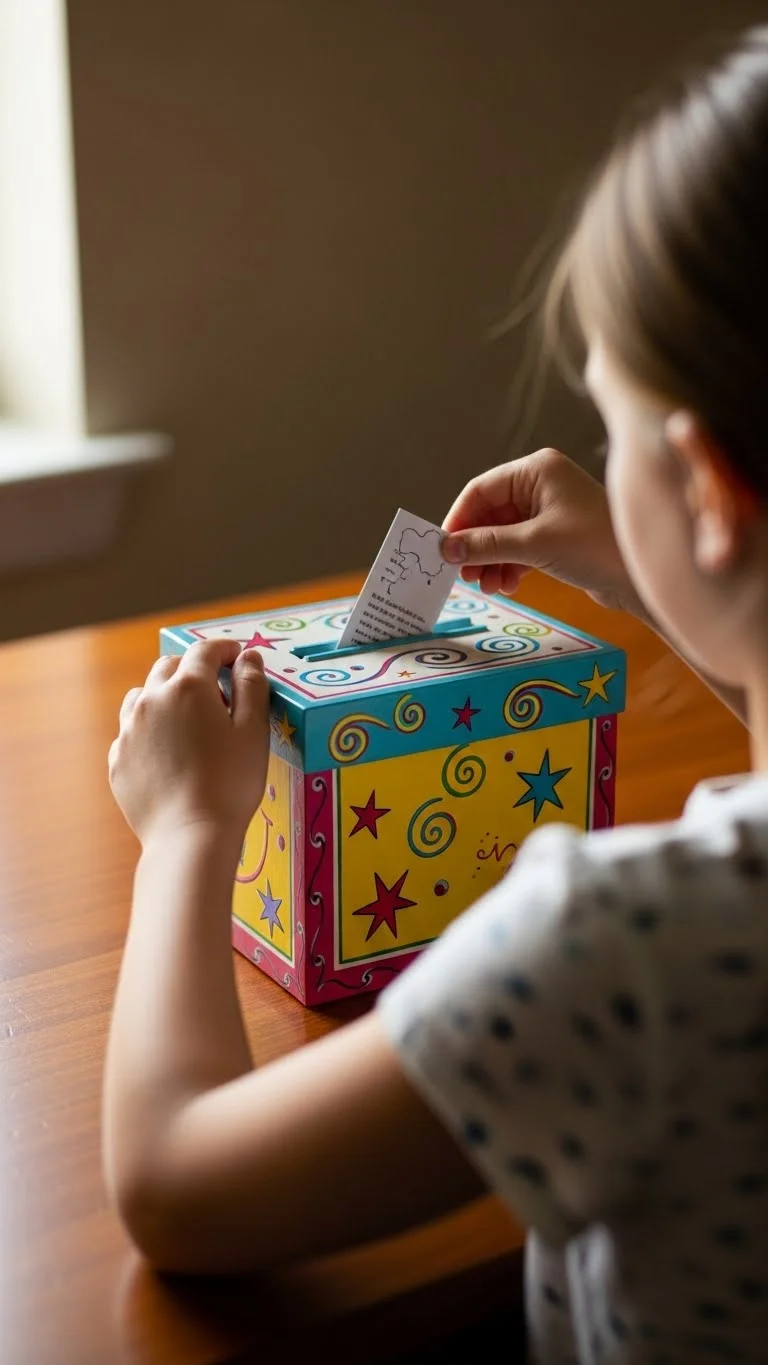
A worry box gives children a place to put anxious thoughts instead of holding them inside. Decorate a small box together using simple materials. When a worry appears, write it down or draw it and place it inside. Closing the lid creates emotional distance. The worry has a home outside the mind. Use scrap paper to keep it low-cost. Set a weekly time to open the box together, if the child wants. Many worries feel smaller after time has passed. This ritual teaches kids that worries don’t need constant attention. Over time, children gain a sense of control and learn that thoughts can come and go without taking over.
- Bedtime Body Scan
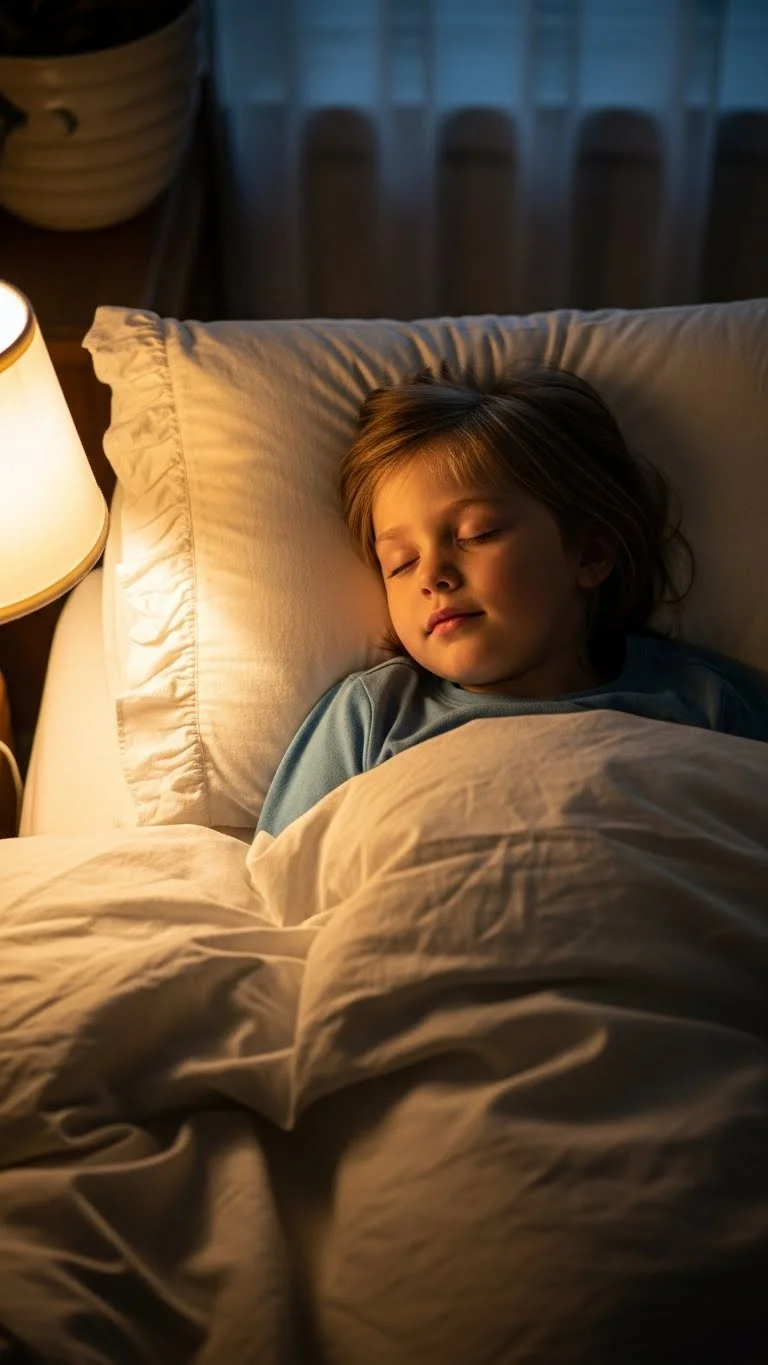
A bedtime body scan helps children relax before sleep. Gently guide attention through different body parts—feet, legs, belly, shoulders, and head. Name each part slowly and invite it to relax. Keep your voice soft and unhurried. There’s no need to rush through the scan. This activity helps kids notice where tension lives and how to let it go. No tools or preparation are needed. It works well as part of a bedtime routine. Over time, children learn to recognise body signals and calm themselves more easily. A relaxed body supports better sleep and a calmer start to the next day.
- Gratitude Jar
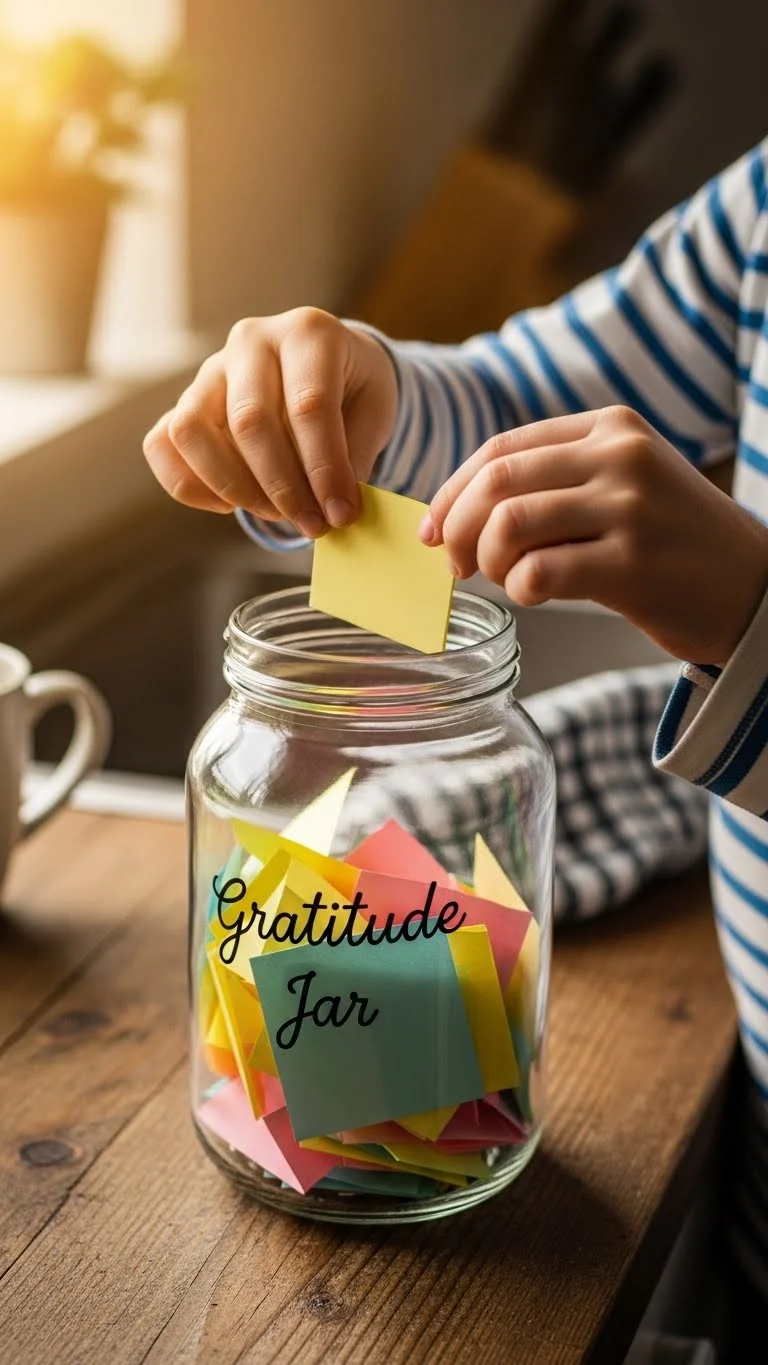
A gratitude jar helps shift focus gently toward positive moments. Use a jar and small pieces of paper. Each day, write down one good thing that happened, no matter how small. Read the notes together once a week. Keep the tone light and pressure-free. There’s no need to force gratitude during hard days. Use recycled paper to keep it simple. This practice supports balanced thinking and emotional resilience. Over time, children begin to notice good moments naturally. A gratitude jar teaches kids that joy and calm can exist alongside worry, helping them build a healthier emotional perspective.
- Predictable Morning Routine
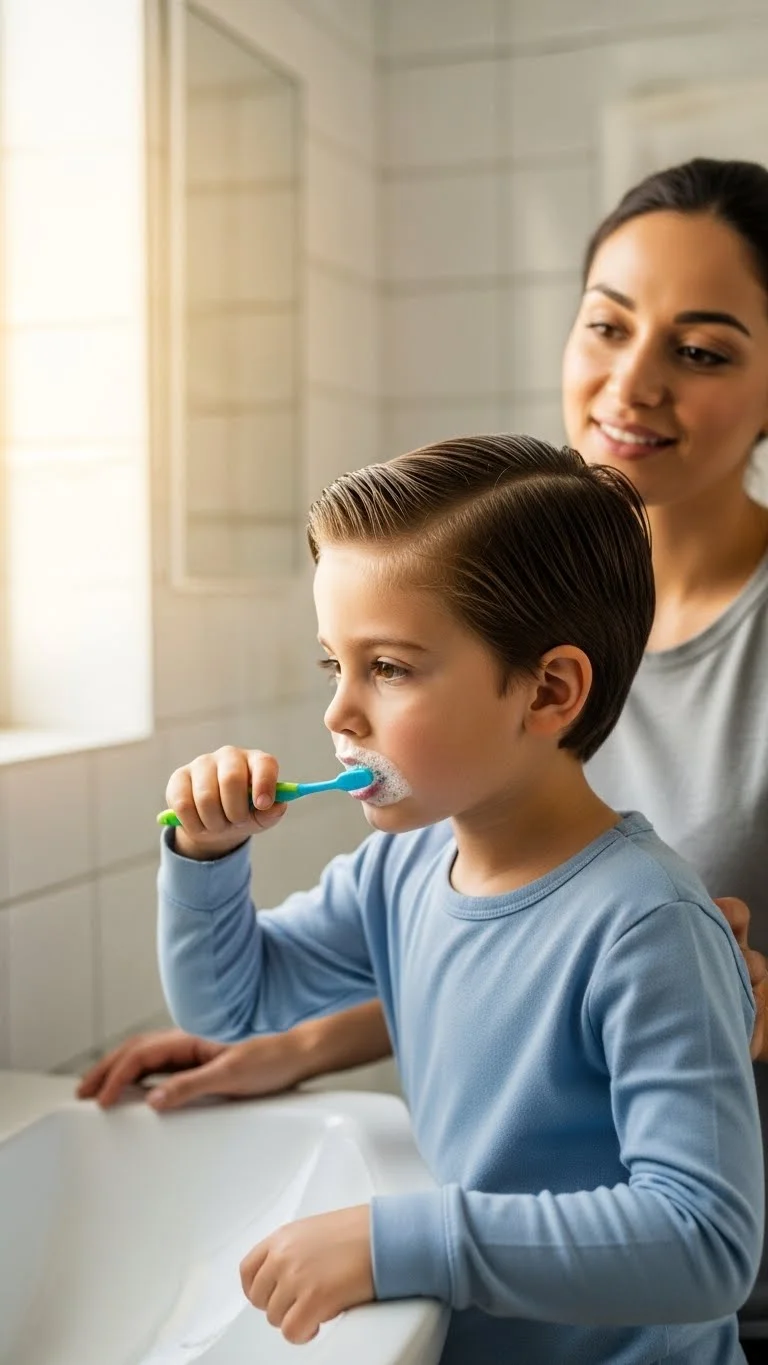
A predictable morning routine gives anxious kids a sense of safety before the day even begins. When mornings feel rushed or uncertain, anxiety can rise quickly. Keeping the same order each day—wake up, brush teeth, get dressed, eat breakfast—helps children know what to expect. This reduces the mental load of decision-making and lowers stress. Visual cues work especially well. Simple drawings or picture charts can remind kids what comes next without verbal pressure. Calm mornings don’t require perfection. Even small consistency matters. Try waking up at the same time and allowing enough space to move slowly. Parents can model calm by staying steady and patient. Avoid rushing language. Gentle reminders work better. Over time, children begin to trust the routine. That trust builds confidence and emotional balance, making transitions easier and mornings more peaceful.
- Story-time With Brave Characters
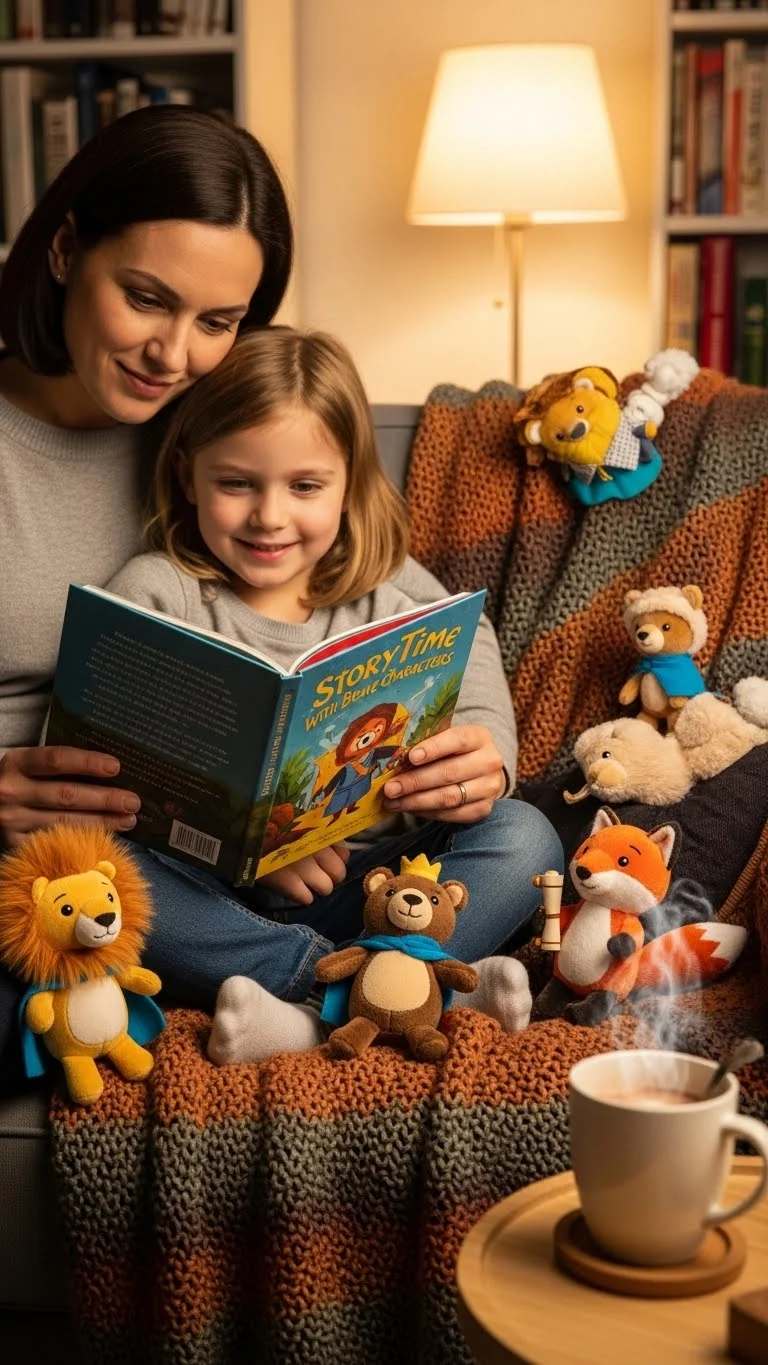
Stories offer a gentle way for children to understand fear and courage without feeling exposed. Reading books with brave but relatable characters helps kids see that fear is normal and manageable. Choose stories where characters face challenges, make mistakes, and grow gradually. After reading, talk lightly about the story. Ask questions like, “What helped the character feel brave?” or “Have you ever felt like that?” Keep the tone relaxed. There’s no need to push for deep answers. Library books are a budget-friendly option and allow kids to explore different stories. Story-time works best when it feels cosy and unrushed. Sitting close, using warm lighting, and reading at a steady pace adds to the calming effect. Through stories, kids learn emotional skills naturally and feel less alone with their worries.
- Sensory Play Bin
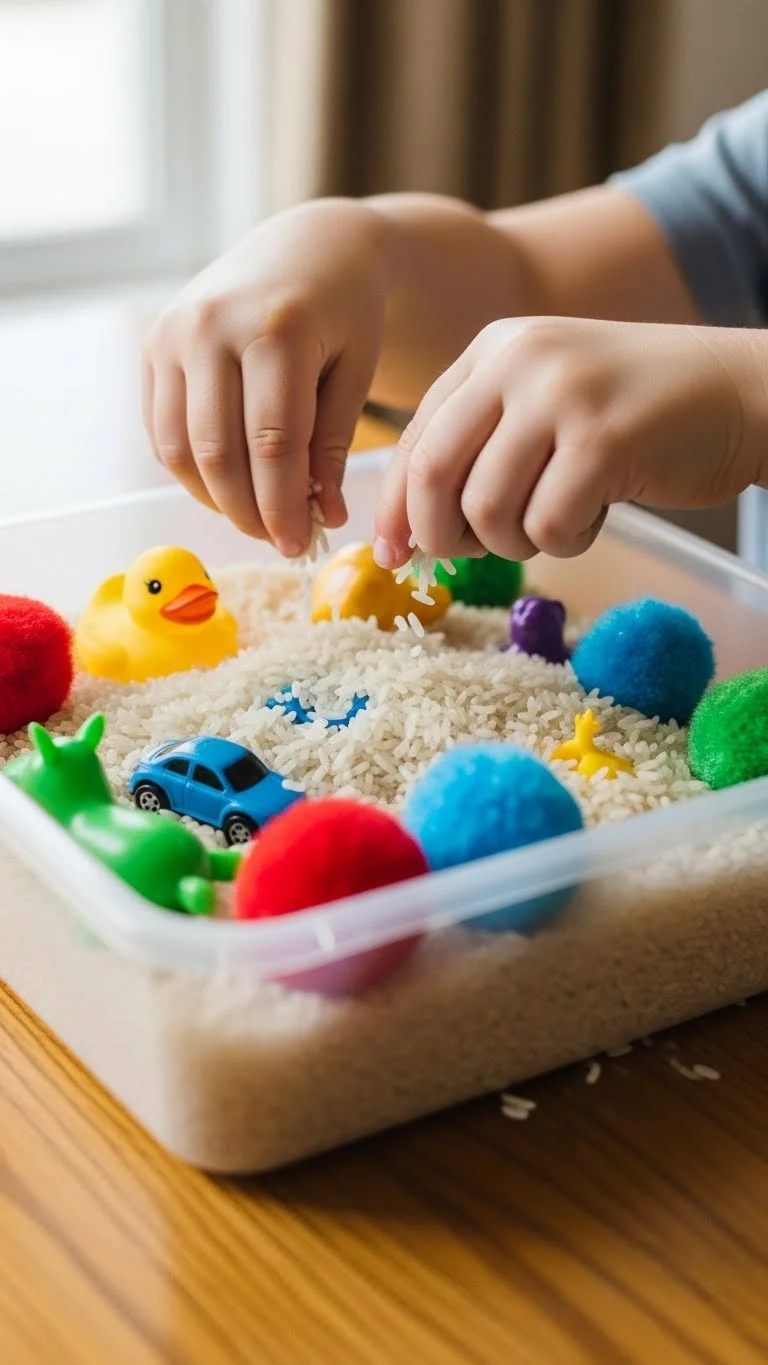
Sensory play helps calm anxious minds by engaging the body. A simple sensory bin filled with rice, beans, or sand allows kids to focus their attention through touch. Scooping, pouring, and sorting create repetitive movements that soothe the nervous system. You don’t need special tools. Pantry items, old containers, and small toys work well. Keep the setup simple and supervised for younger children. Let your child explore freely without instructions or goals. This type of play encourages quiet focus and grounding. It’s especially helpful after school or during moments of restlessness. Sensory bins give anxious energy a safe outlet and support emotional regulation. Over time, kids learn that calm can come from simple, hands-on activities that feel safe and enjoyable.
- Positive Self-Talk Cards
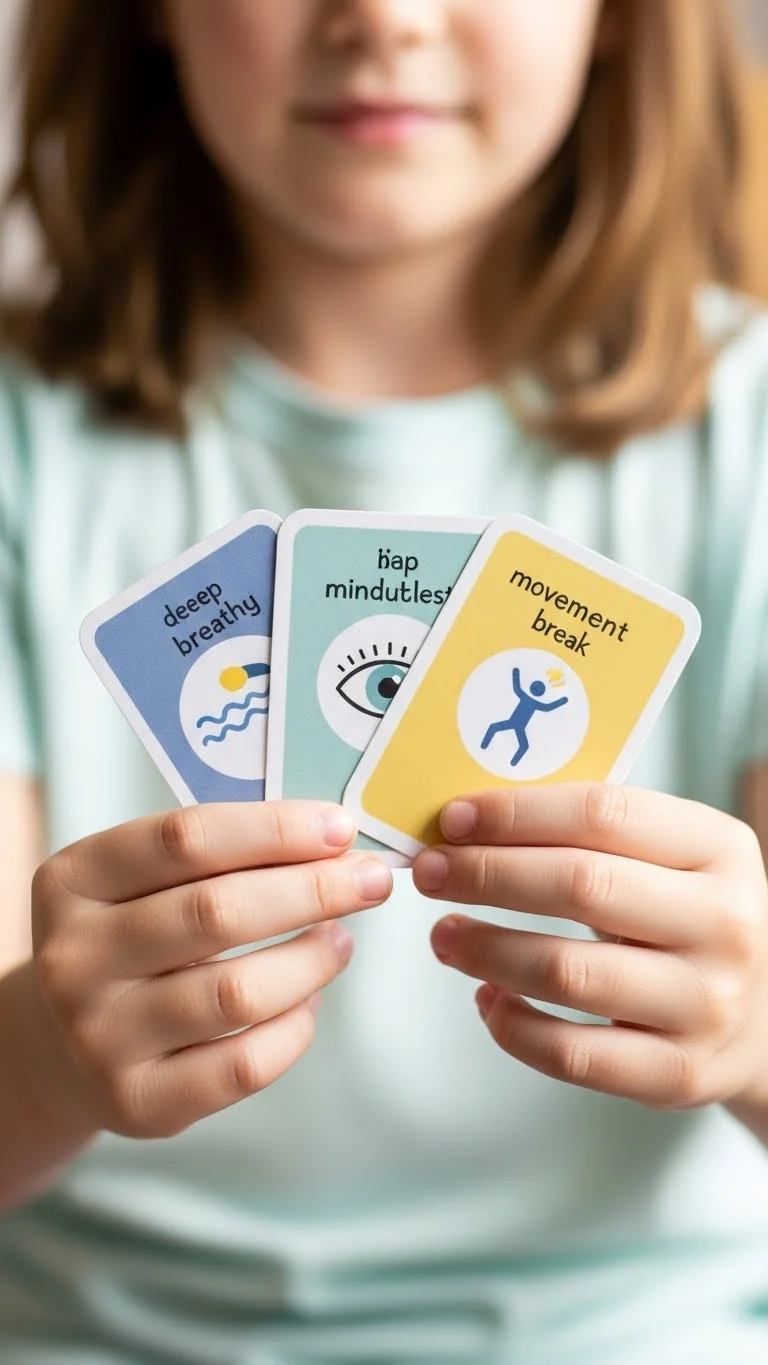
Positive self-talk helps children build an inner voice that supports rather than criticises. Creating self-talk cards together makes this skill feel personal and fun. Write short, gentle phrases like “I can try,” “I am safe,” or “It’s okay to feel nervous.” Let your child decorate the cards with drawings or colours. Reading the cards aloud together helps reinforce the message. Keep the tone natural, not forced or overly cheerful. Store the cards where your child can access them easily—by the bed, in a backpack, or near a calm corner. Over time, these phrases become familiar and comforting. Positive self-talk cards teach kids that thoughts can be kind and encouraging, especially during stressful moments.
- Balloon Breathing Game
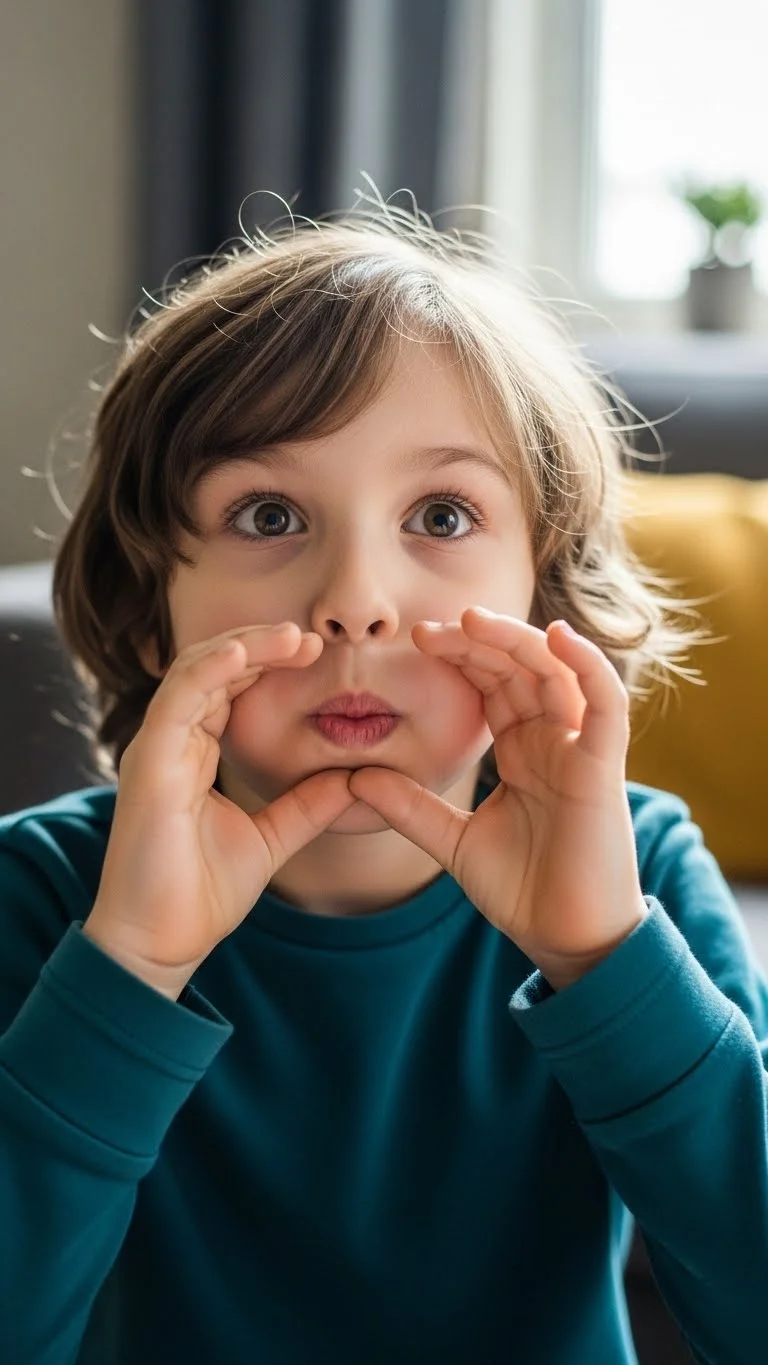
The balloon breathing game teaches deep breathing in a playful, pressure-free way. Ask your child to pretend their belly is a balloon. As they inhale slowly, the balloon fills. As they exhale, it gently deflates. You can add hand movements to make it visual. Raise hands while breathing in, lower them while breathing out. No supplies are needed, and sessions can be very short. This activity works well during moments of stress or before transitions. Because it feels like a game, kids are more willing to try it. Balloon breathing helps slow the body and calm the mind, teaching children that their breath is a tool they can use anytime they feel overwhelmed.
- Calm Jar Watching
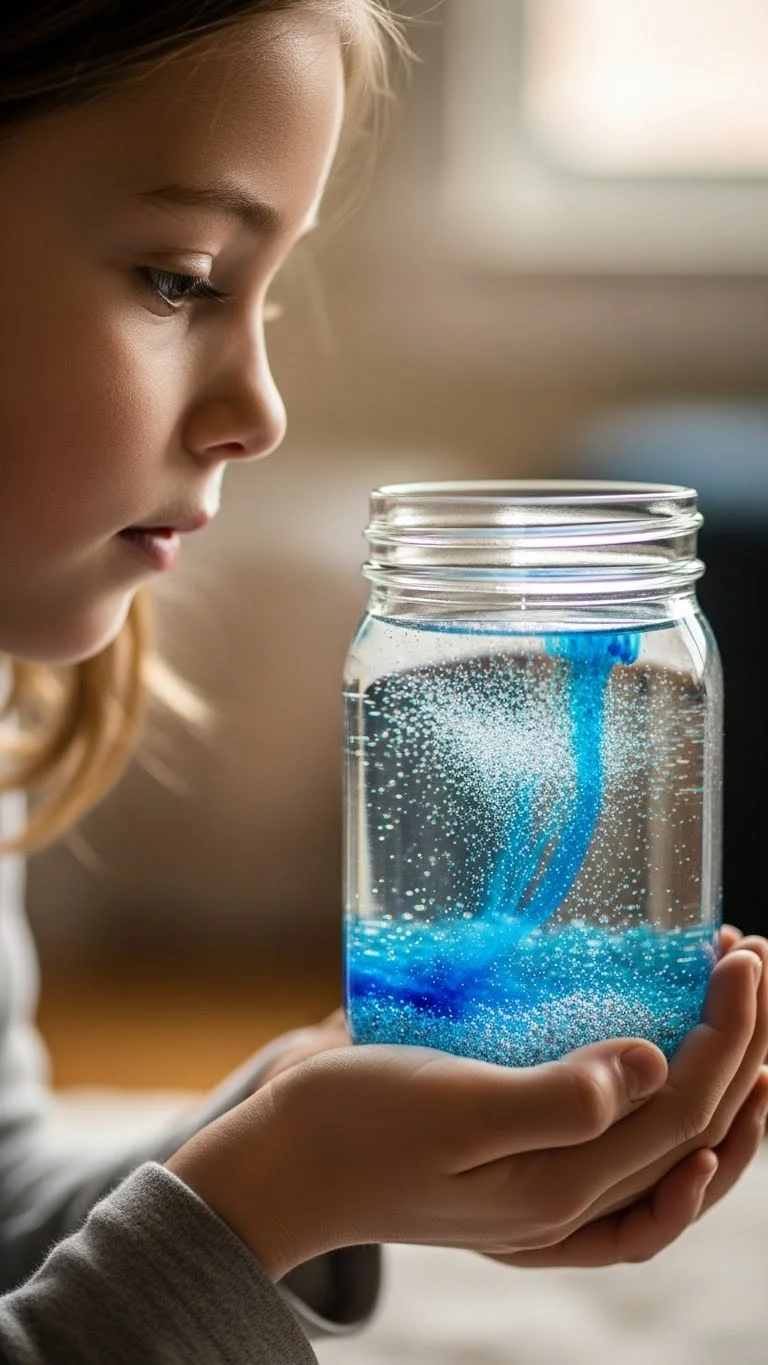
A calm jar gives children a visual way to understand emotional regulation. Fill a jar with water and a bit of glitter. When shaken, the glitter swirls wildly, much like anxious thoughts. As it settles, the mind settles too. Invite your child to watch quietly as the glitter falls. There’s no rush. This simple act encourages patience and focus. Use recycled jars to keep it budget-friendly. Explain gently that thoughts slow down just like the glitter when we pause. Calm jars work well during emotional moments or as part of a daily routine. Over time, children learn that calm doesn’t happen instantly—and that’s okay. Watching the jar helps normalise emotional waves and teaches gentle self-soothing.
- Choice-Based Playtime
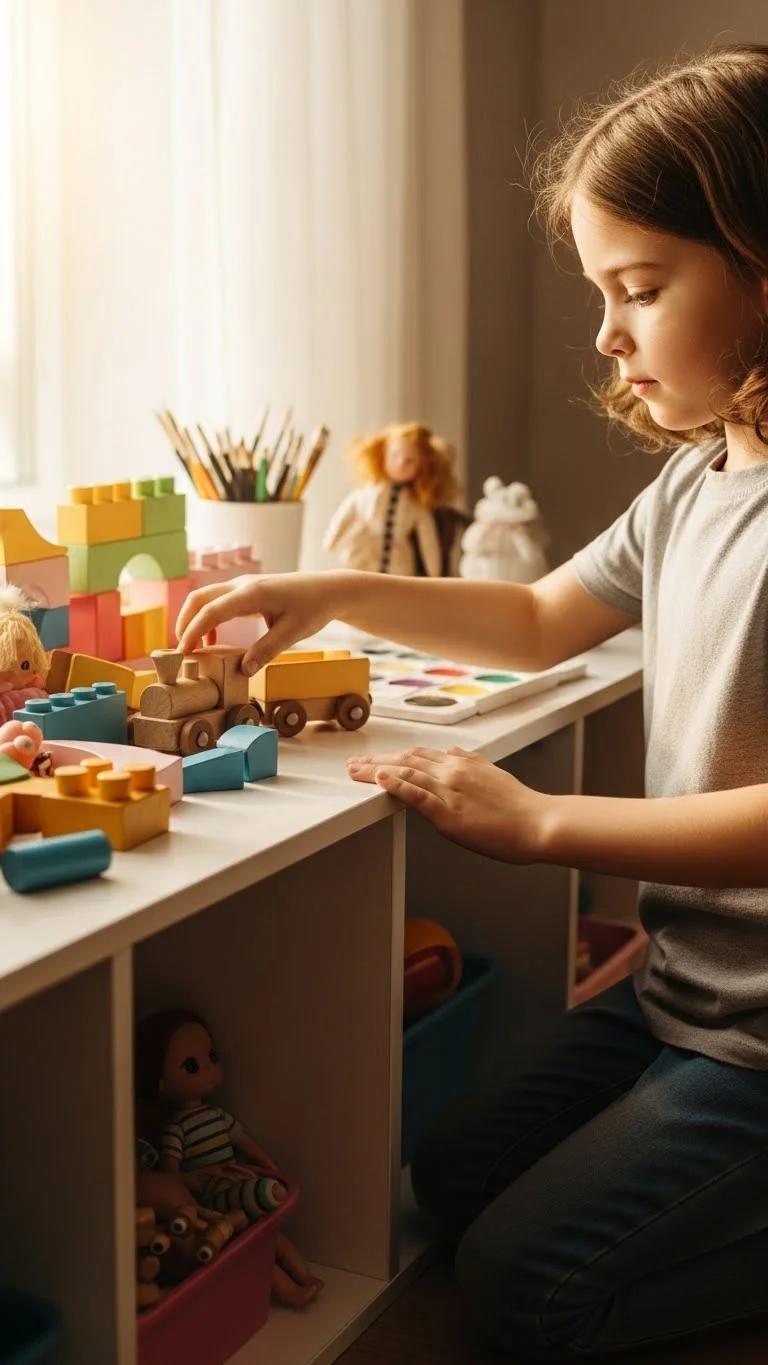
Choice-based play gives children a sense of control, which is especially helpful for anxiety. Instead of offering many options, present two simple choices. “Do you want to draw or build blocks?” Limiting options prevents overwhelm while still empowering the child. Having control over small decisions builds confidence and reduces stress. Playtime becomes more relaxed when kids feel their preferences matter. Keep choices fair and achievable. This approach works well during transitions or free time. Parents stay supportive without directing every move. Over time, children feel safer making decisions and trusting themselves. Choice-based play teaches that control doesn’t have to be big to be meaningful.
- Emotion Charades
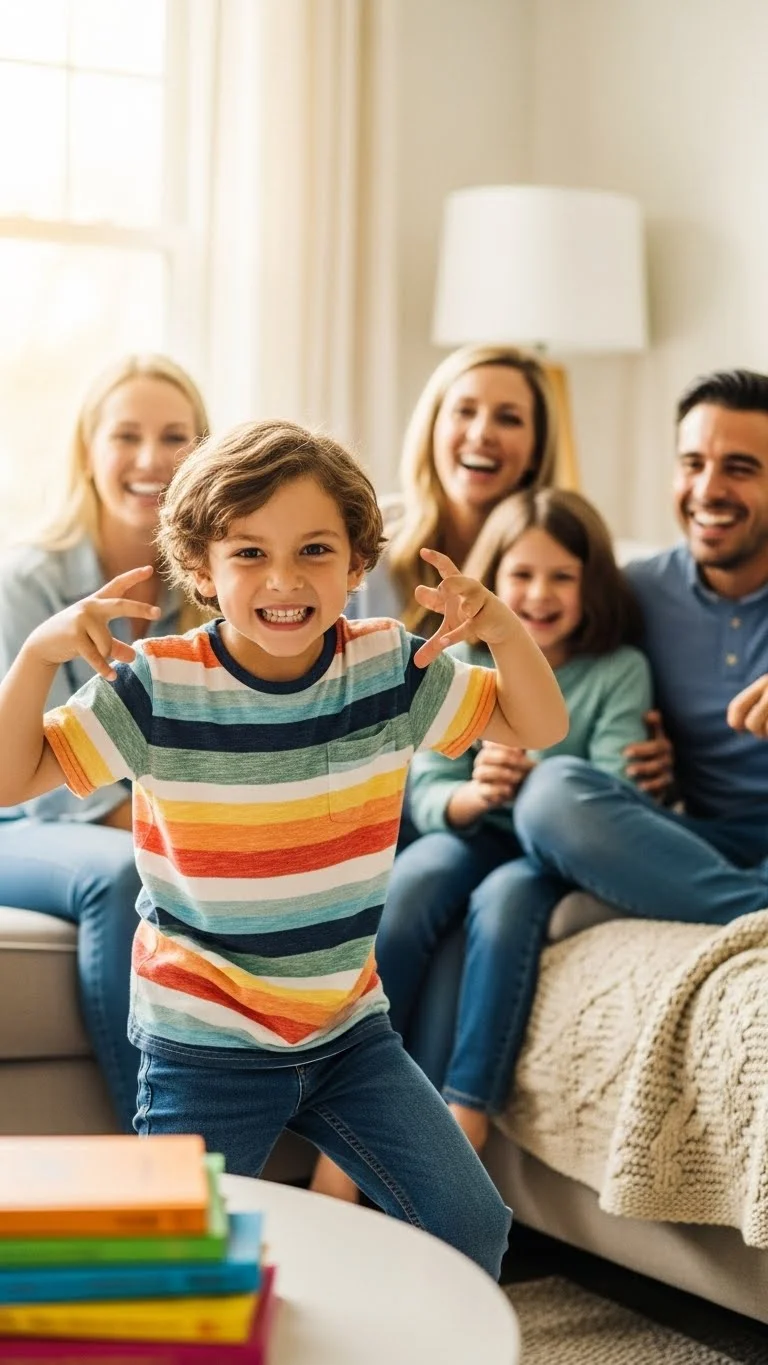
Emotion charades turns emotional learning into a fun, low-pressure game. Take turns acting out feelings like happy, nervous, excited, or frustrated. Guess together and laugh when it gets silly. This activity builds emotional awareness and helps kids recognise feelings in themselves and others. Because it’s playful, kids feel less guarded and more open. Laughter naturally lowers tension and creates connection. There’s no right or wrong way to play. Keep it short and light. Emotion charades works well during family time or as a break from routine. Over time, children become more comfortable naming emotions, which makes those feelings easier to manage when they arise.
- Quiet Craft Time
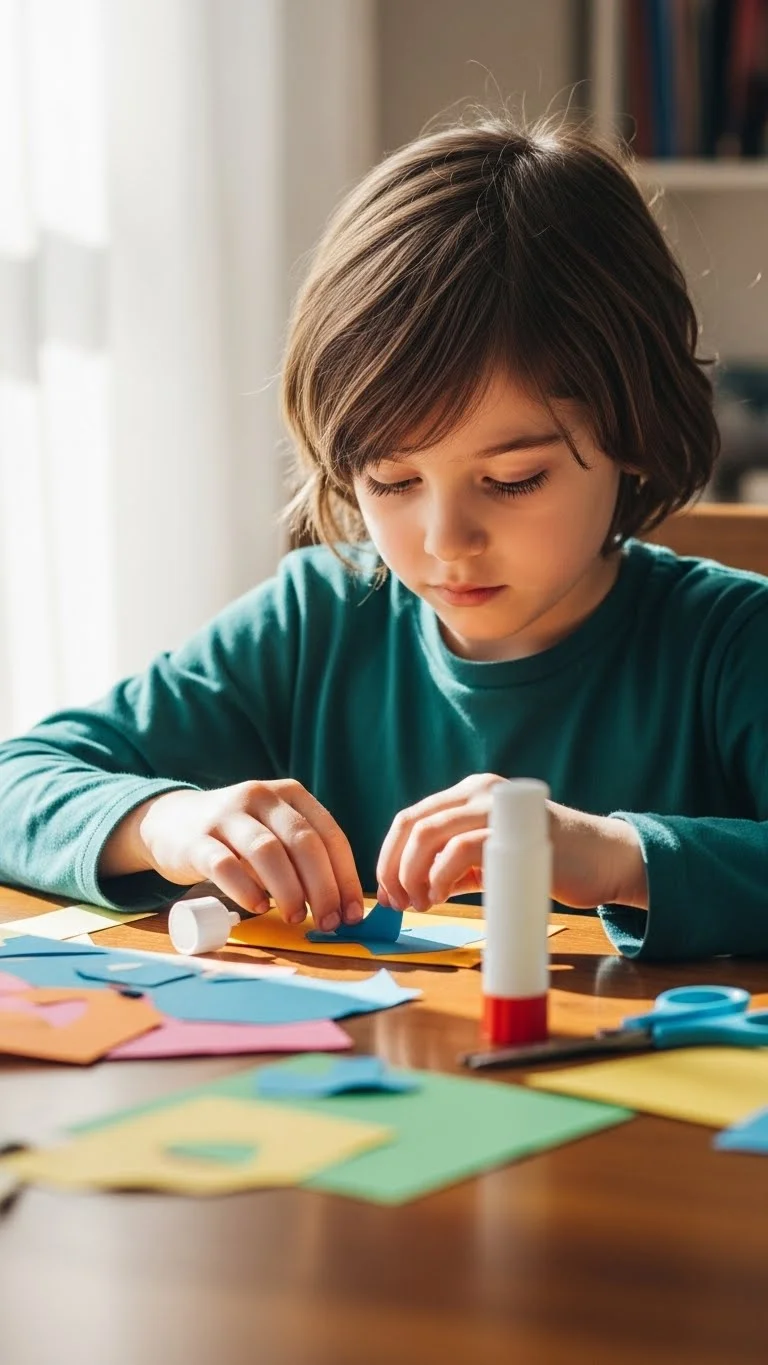
Quiet craft time helps anxious kids slow down and focus. Simple materials like paper, glue, and scissors are enough. The goal isn’t the final product—it’s the process. Let your child create freely without instructions or expectations. Repetitive hand movements and concentration help calm the nervous system. Use leftover supplies to keep it stress-free and affordable. Crafting works well during quiet afternoons or after busy days. Sitting nearby without directing builds a sense of safety. Over time, kids associate creativity with calm. Quiet craft time teaches that slowing down can feel good and that calm moments don’t need to be complicated to be effective.
- Safe Place Visualisation
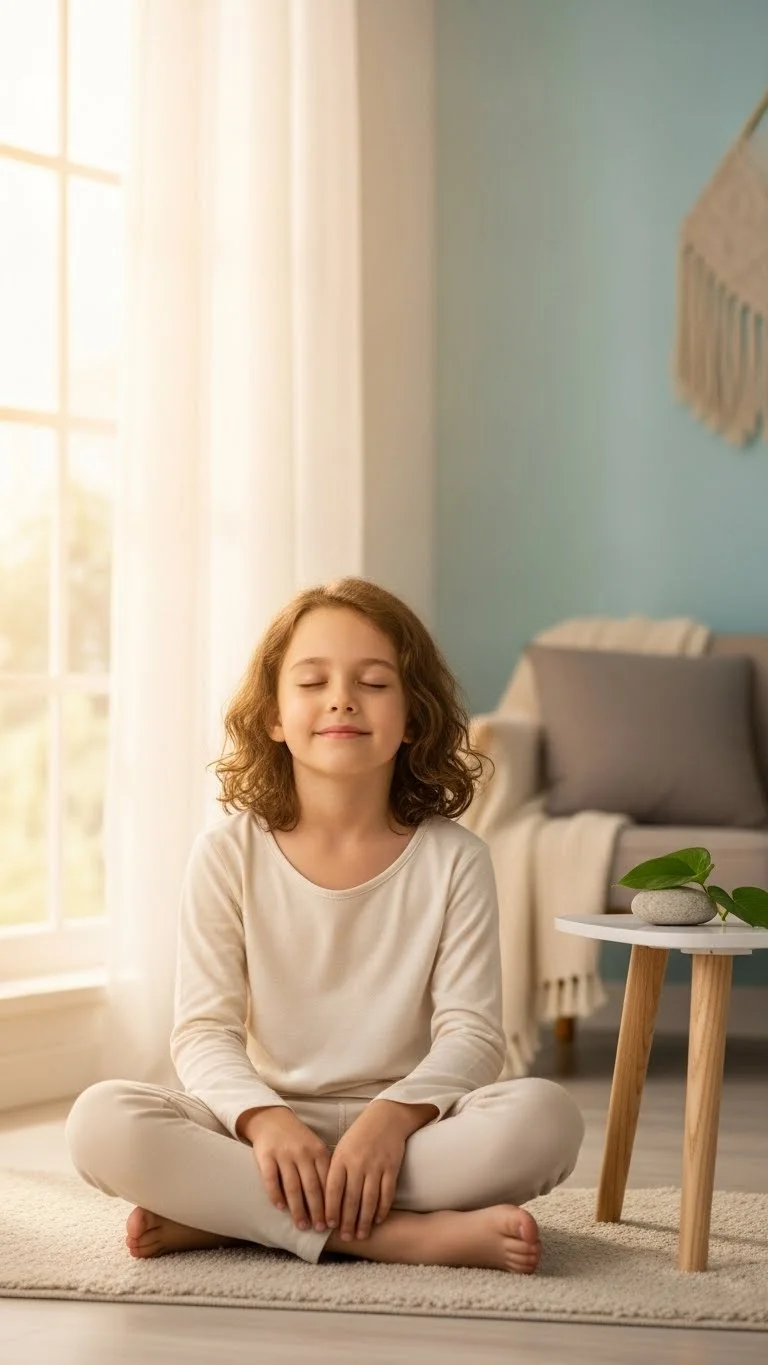
Safe place visualisation helps children feel secure using their imagination. Ask your child to close their eyes and picture a place where they feel calm and protected. It could be a beach, a bedroom, a tree house, or anywhere that feels comforting. Invite them to describe the colours, sounds, and smells. Keep your voice slow and gentle. There is no right or wrong image. This activity can be done anywhere—at home, in the car, or before bedtime. Over time, children learn they can return to this mental space when anxiety appears. Safe place visualisation builds emotional independence by teaching kids they carry calm inside them. With practice, this tool becomes a quiet source of comfort during stressful moments.
- Parent-Child Check-In Walk
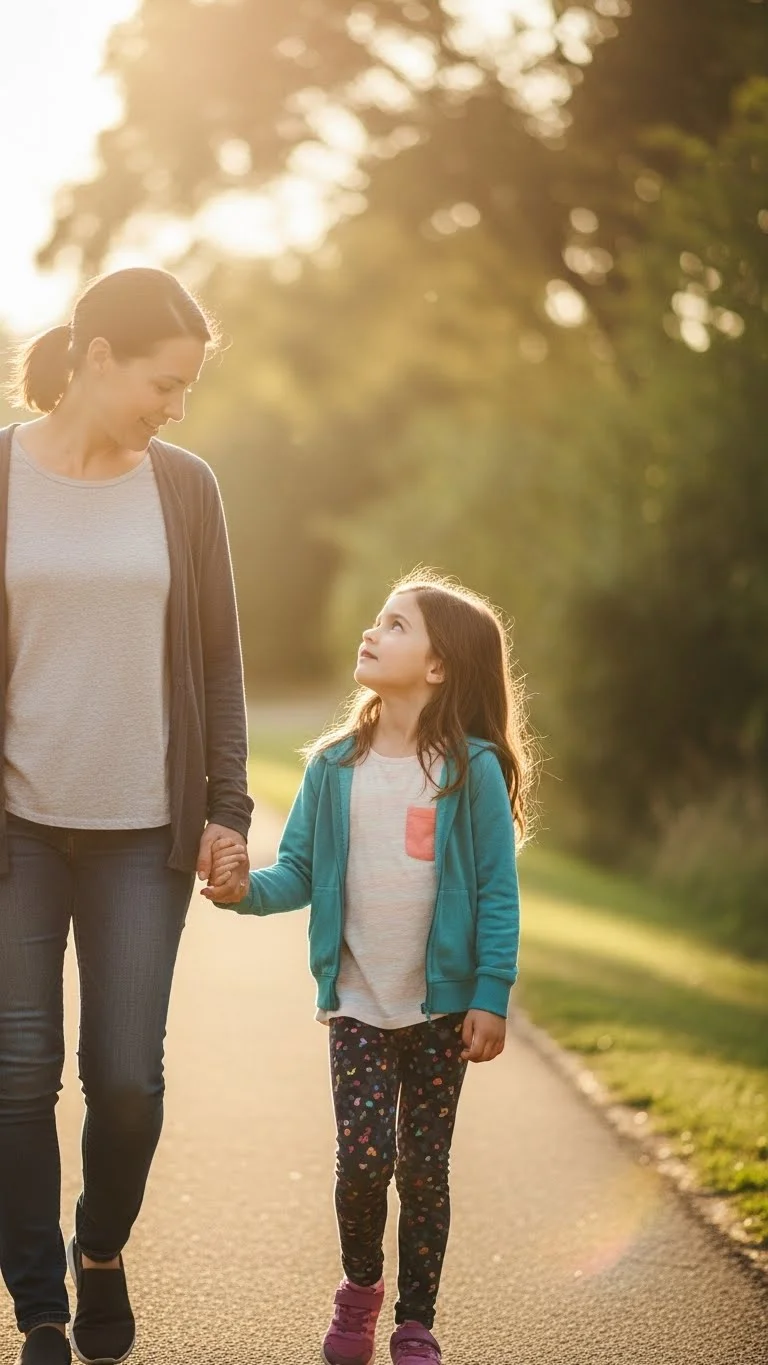
Walking side by side creates natural space for conversation without pressure. A parent-child check-in walk allows children to share thoughts while their body stays relaxed. Movement often makes talking easier, especially for kids who feel anxious during face-to-face conversations. Keep the pace slow and the topic light. Let your child lead the conversation. Silence is okay. Even a short walk around the block can help release nervous energy. This routine builds trust and emotional safety. Over time, children associate movement with connection and support. These walks show kids they don’t have to face worries alone, and that sharing can feel natural and safe.
- Consistent Goodbye Ritual
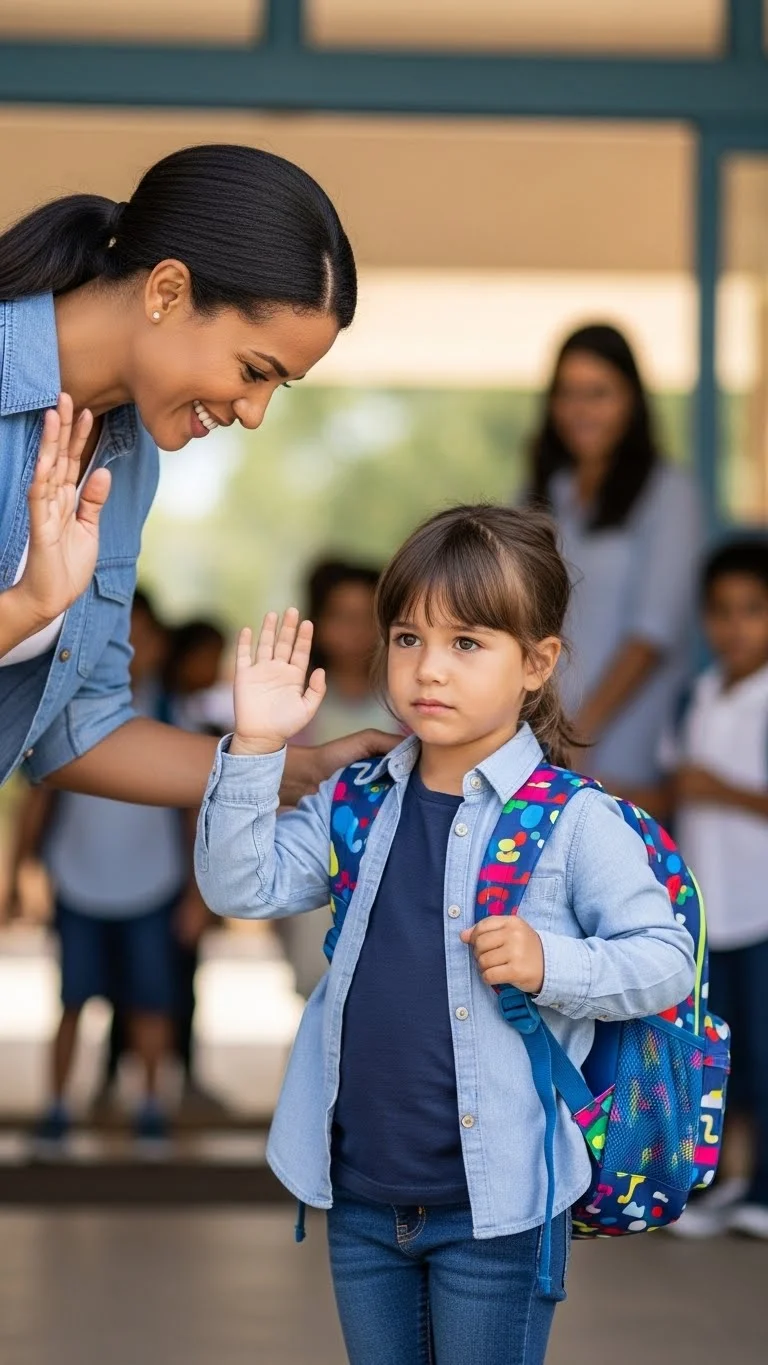
Goodbyes can be stressful for anxious children, especially during school drop-offs. A consistent goodbye ritual creates predictability and comfort. Choose a simple routine—a hug, a wave, or a short phrase—and repeat it every time. Keep the ritual calm and brief. Long goodbyes can increase anxiety. Consistency helps children trust that separation is safe and temporary. Parents should remain confident and warm. Over time, this small habit builds emotional security. Children learn what to expect, which lowers stress and supports independence. A steady goodbye routine reassures kids that they are safe, loved, and capable.
- Problem-Solving Play
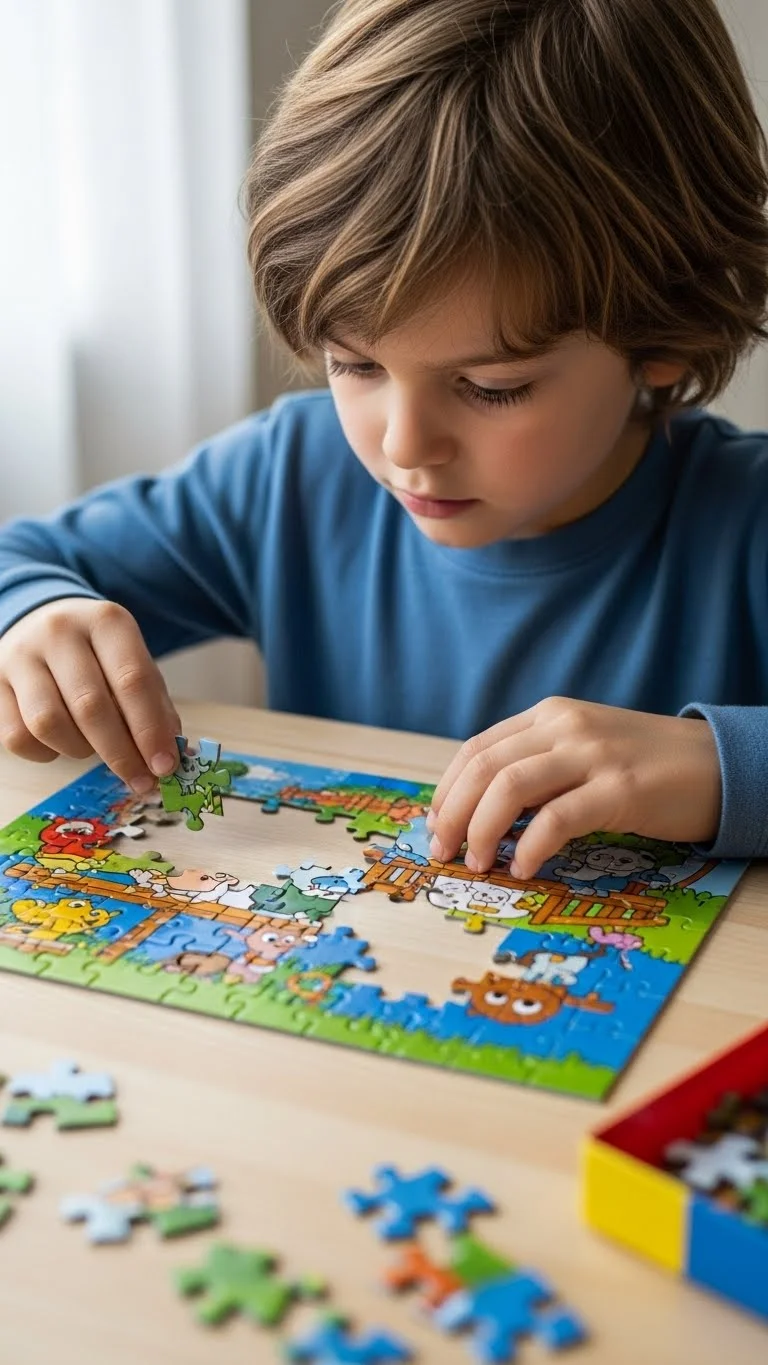
Problem-solving play builds confidence through action. Activities like puzzles, building blocks, or simple games encourage kids to face small challenges in a safe environment. Work together rather than correcting. Celebrate effort, not results. This type of play teaches children that mistakes are part of learning. It strengthens patience and resilience without pressure. Choose age-appropriate challenges to avoid frustration. Over time, children begin to trust their abilities. Problem-solving play shows kids they can handle difficulties, which reduces anxiety and builds self-belief.
- Evening Reflection Talk
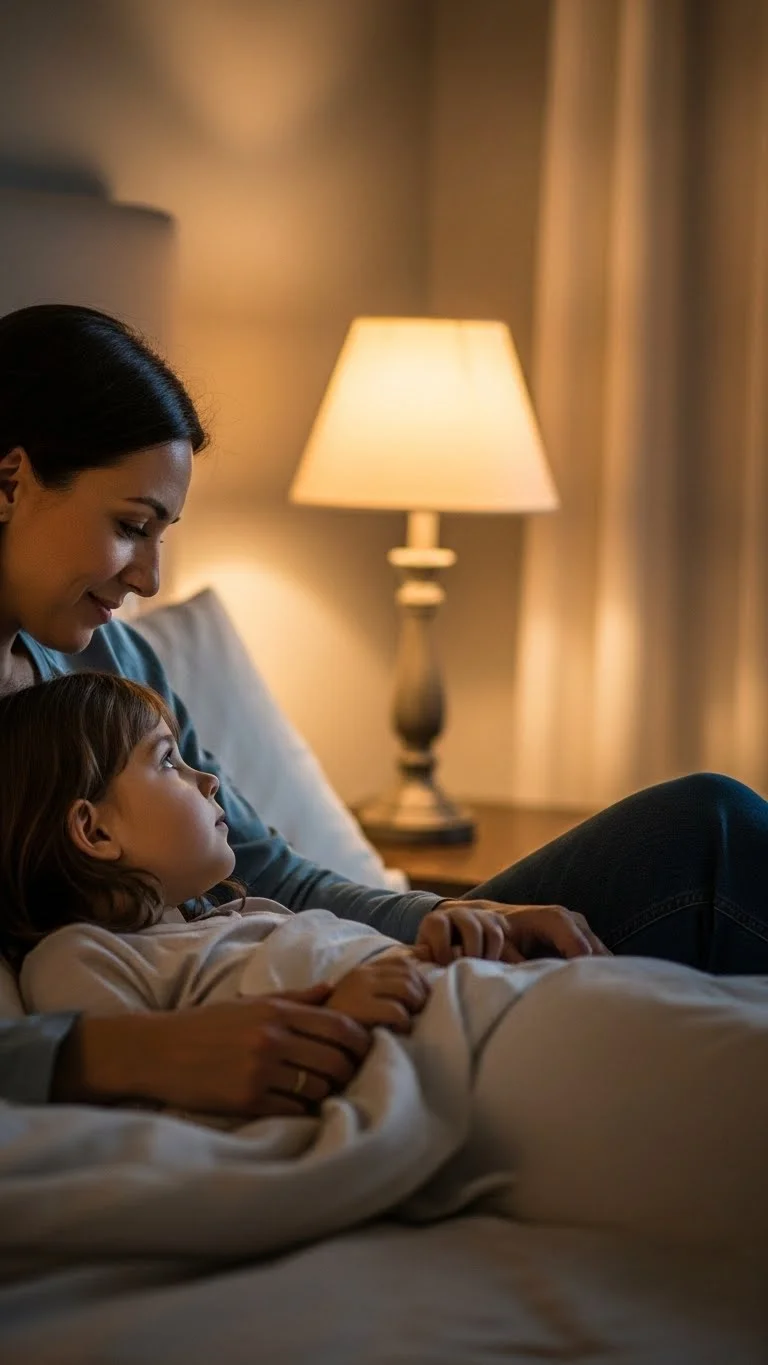
Evening reflection helps children end the day on a calm note. Ask one gentle question, such as, “What went okay today?” Keep it short and positive. This practice shifts attention away from worry and toward balance. Sit together in a relaxed setting, like bedtime or quiet time. There’s no need to solve problems. Listening is enough. Over time, this habit strengthens emotional awareness and gratitude. Evening reflection teaches children that even difficult days have moments of success, supporting healthier thinking patterns.
- Weekly Family Calm Time
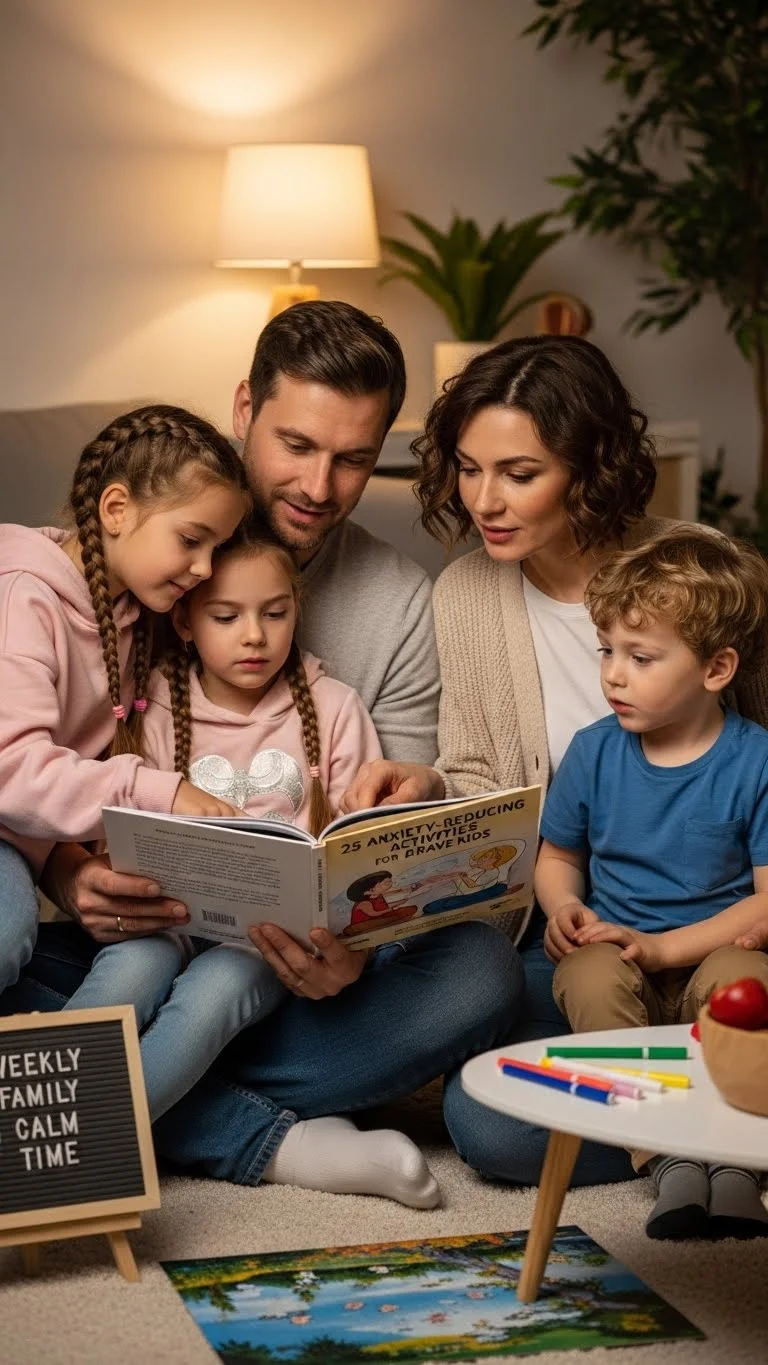
Setting aside a weekly family calm time builds shared emotional strength. Choose a quiet activity like reading, stretching, or sitting together without distractions. Keep it simple and pressure-free. This shared calm shows children that relaxation is valued. No planning or expense is needed just presence. Over time, this routine becomes something kids look forward to. Family calm time strengthens connection and teaches children that calm can be shared and practised together.
Conclusion
Helping kids manage anxiety does not call for complex plans or expensive tools. Small, steady actions shape how children respond to stress over time. These activities fit into ordinary days and grow stronger through repetition. Choose one or two to start. Keep it light. Stay patient. With support and practice, kids learn that calm is something they can return to again and again.
