

27 Powerful Modern Parenting Ideas That Actually Work
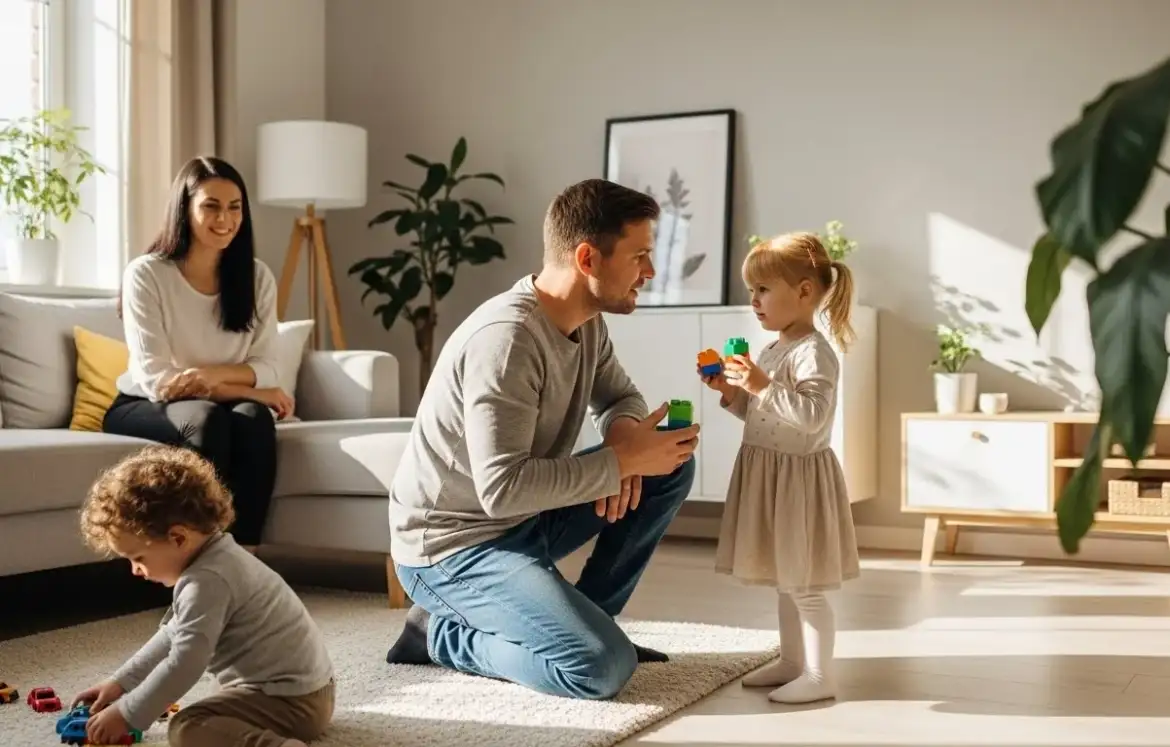
Modern parenting often means juggling work, emotions, routines, and limited energy all at once. Many parents search for ideas that fit real life, not perfect schedules or expensive tools. The ideas below focus on calm guidance, clear boundaries, and everyday habits that support connection and cooperation. Each one is practical, budget-friendly, and built for busy households. Small changes can shape smoother days and help families respond with patience instead of pressure.
- Speak Less, Show More
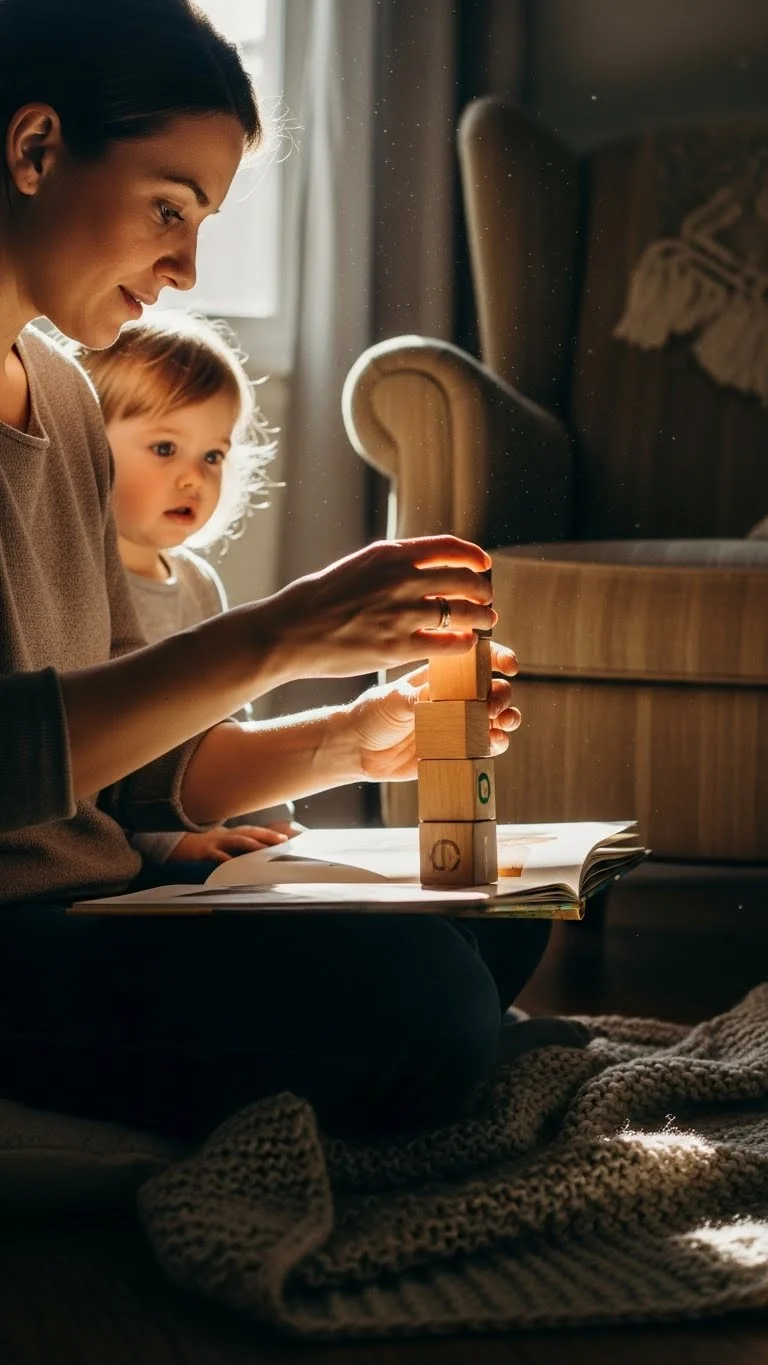
Children learn more from actions than long talks. Showing calm behaviour during stress teaches faster than repeating rules. If you want kids to clean up, start cleaning with them. If you want kind words, speak kindly even when tired. This removes power struggles and shortens explanations. Modeling costs nothing and works at any age. Keep actions slow and visible. Kids mirror what they see daily. This approach lowers conflict and builds trust over time without lectures or raised voices.
- Set Boundaries Without Long Explanations

Clear boundaries feel safer than long discussions. State rules simply and repeat them calmly. Avoid defending or debating. For example, “Screens are off after dinner.” Then follow through. Consistency matters more than wording. This saves energy and reduces arguments. Kids adjust faster when limits stay steady. No charts or rewards required. Simple language works best when emotions run high.
- Make Routines Visible
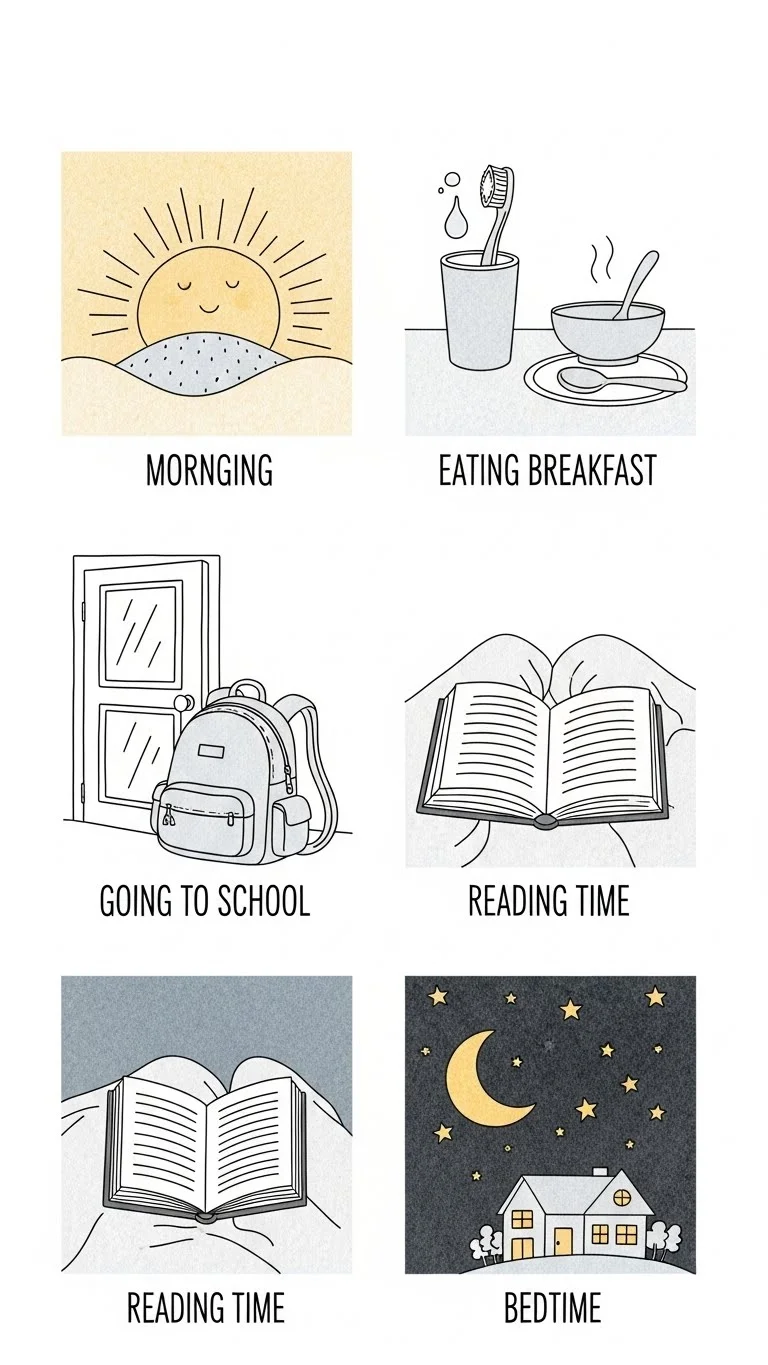
Visual routines help kids know what comes next. Draw simple pictures for mornings or bedtime. Place them where kids can see them. This lowers reminders and resistance. Paper and markers are enough. When children follow routines independently, parents feel less drained. Predictable flow supports calm behaviour without pressure.
- Pause Before Correcting Behaviour

Not every behaviour needs immediate correction. Pausing for a few seconds gives kids space to think and often self-correct. This builds independence and confidence without pressure. When adults jump in too fast, kids miss the chance to learn from the moment. A short pause also helps parents respond calmly instead of reacting on impulse. If safety isn’t involved, wait and watch. Many small issues resolve on their own. This approach lowers tension and teaches children that they are capable of handling simple challenges with guidance rather than control.
- Use Fewer Words During Emotional Moments

Big emotions make listening hard. Long explanations often add more frustration. Short, calm phrases work better when feelings run high. Words like “I’m here” or “I see you” offer comfort without overload. Tone matters more than length. Staying nearby helps children settle faster. Once emotions ease, conversations can happen naturally. This method supports emotional awareness and keeps situations from escalating. Fewer words also help parents stay regulated, which children quickly sense and respond to.
- Invite Kids to Help With Real Tasks
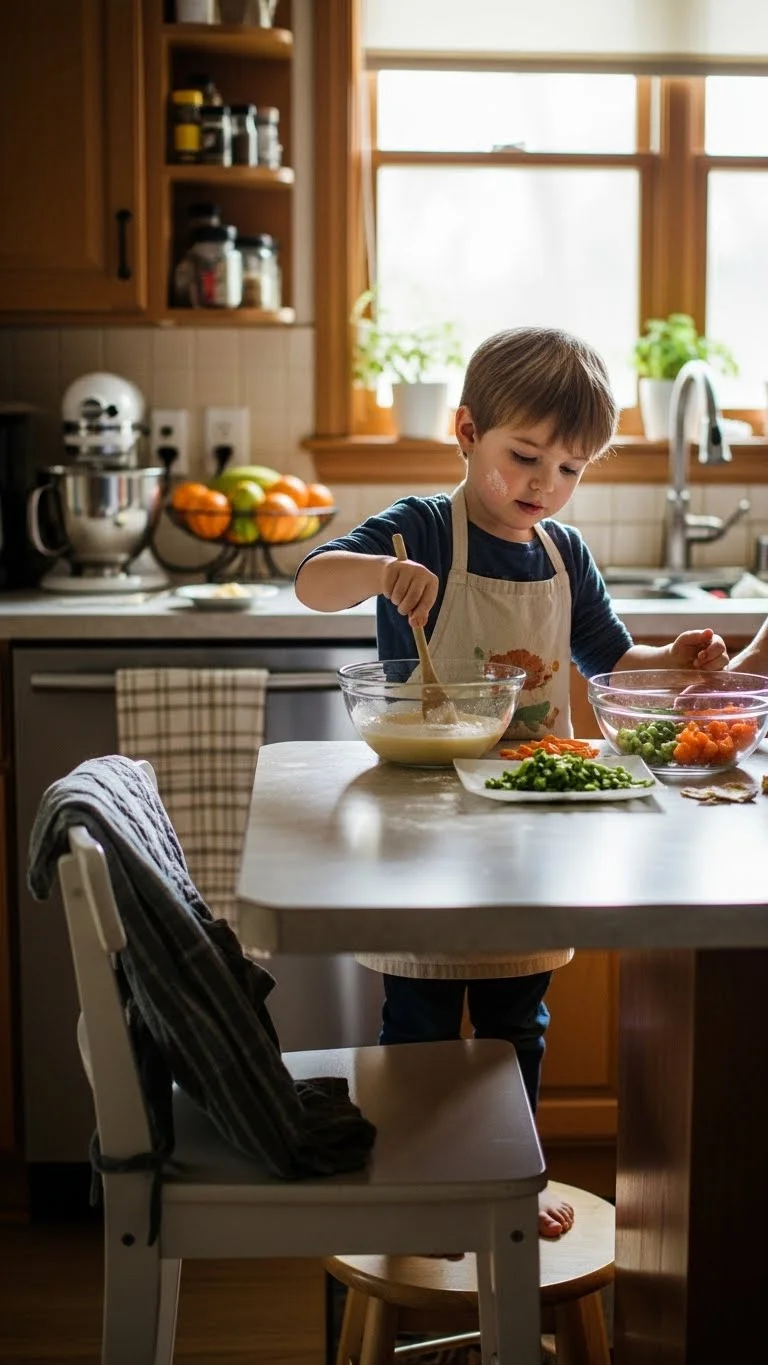
Kids often want to help more than adults expect. Giving them real tasks builds cooperation and pride. Simple jobs like wiping tables, sorting socks, or pouring water help children feel included. The work may not be perfect, but learning happens through practice. Avoid correcting every mistake. Patience matters more than speed. Household help also teaches responsibility without rewards or charts. When children feel useful, resistance drops and teamwork grows naturally during daily routines.
- Keep Consequences Short and Related
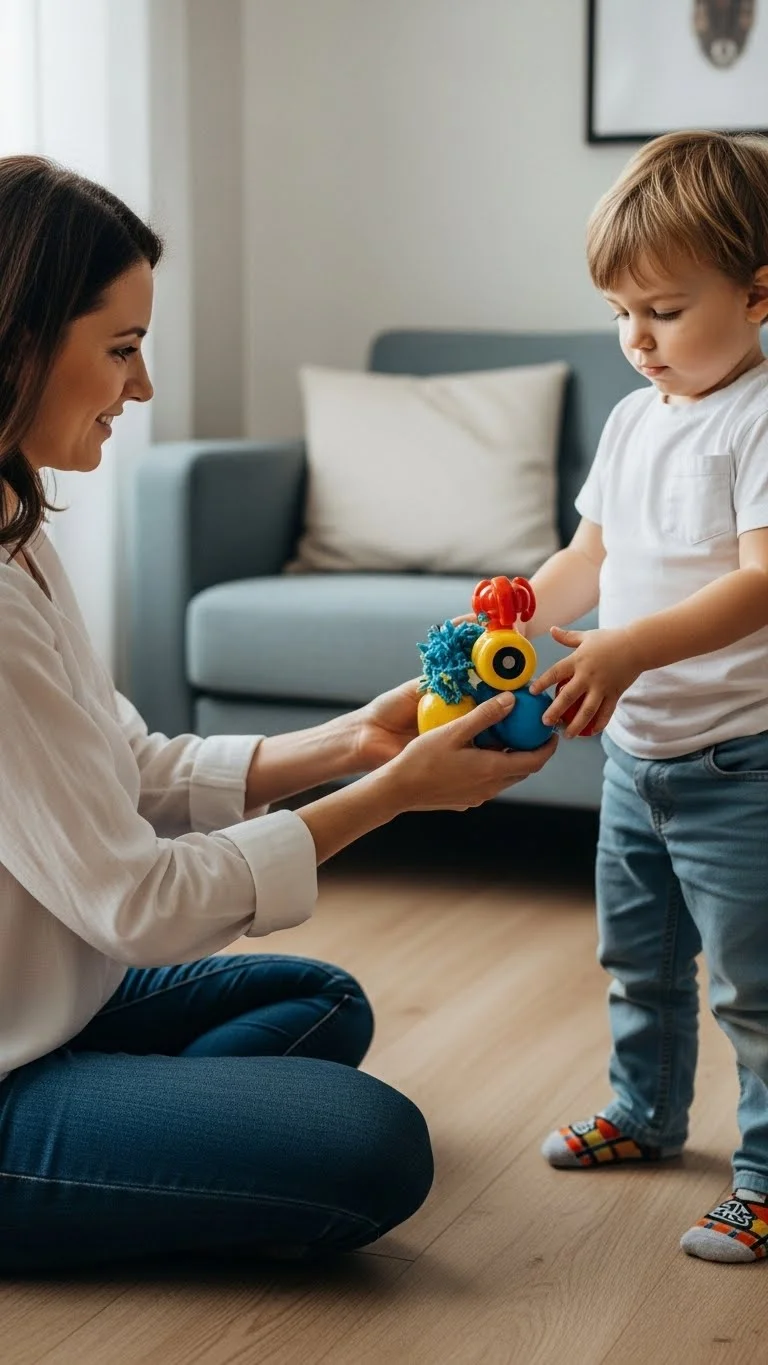
Consequences work best when they connect directly to the behaviour. If a toy is thrown, it rests for a short time. If a mess is made, cleanup follows. No long talks or raised voices needed. Keep the response calm and brief. This shows cause and effect clearly. Children learn faster when consequences feel fair and predictable. Avoid shame or lectures. Clear actions teach responsibility while keeping relationships respectful and steady.
- Offer Two Choices That Both Work
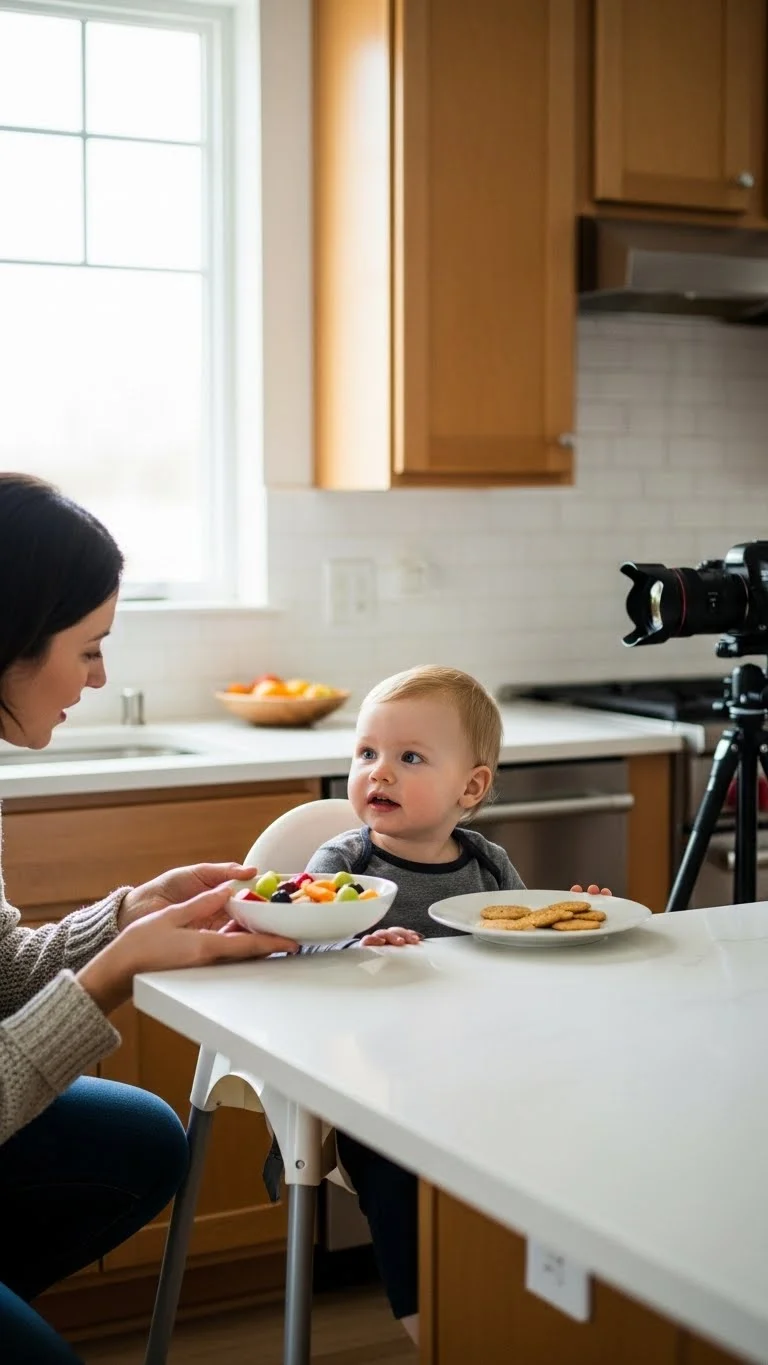
Too many options overwhelm children and slow decisions. Two clear choices give kids a sense of control without stress. Both options should feel acceptable to the parent. This works well for clothes, snacks, or activities. Choice reduces power struggles and builds decision skills. Children feel heard while routines stay on track. This approach saves time and energy throughout the day. Simple choices support cooperation without turning decisions into long discussions.
- Connect Before Addressing Behaviour

When behaviour slips, connection often comes first. Sitting close, listening, or offering comfort helps children feel understood. Once calm returns, guidance becomes easier to accept. Jumping straight to correction can increase resistance. Even a few quiet minutes can shift the mood. Connection builds trust and lowers defensiveness. Children are more open to learning when they feel supported rather than judged. Strong relationships shape better behaviour over time.
- Treat Mistakes as Learning Moments
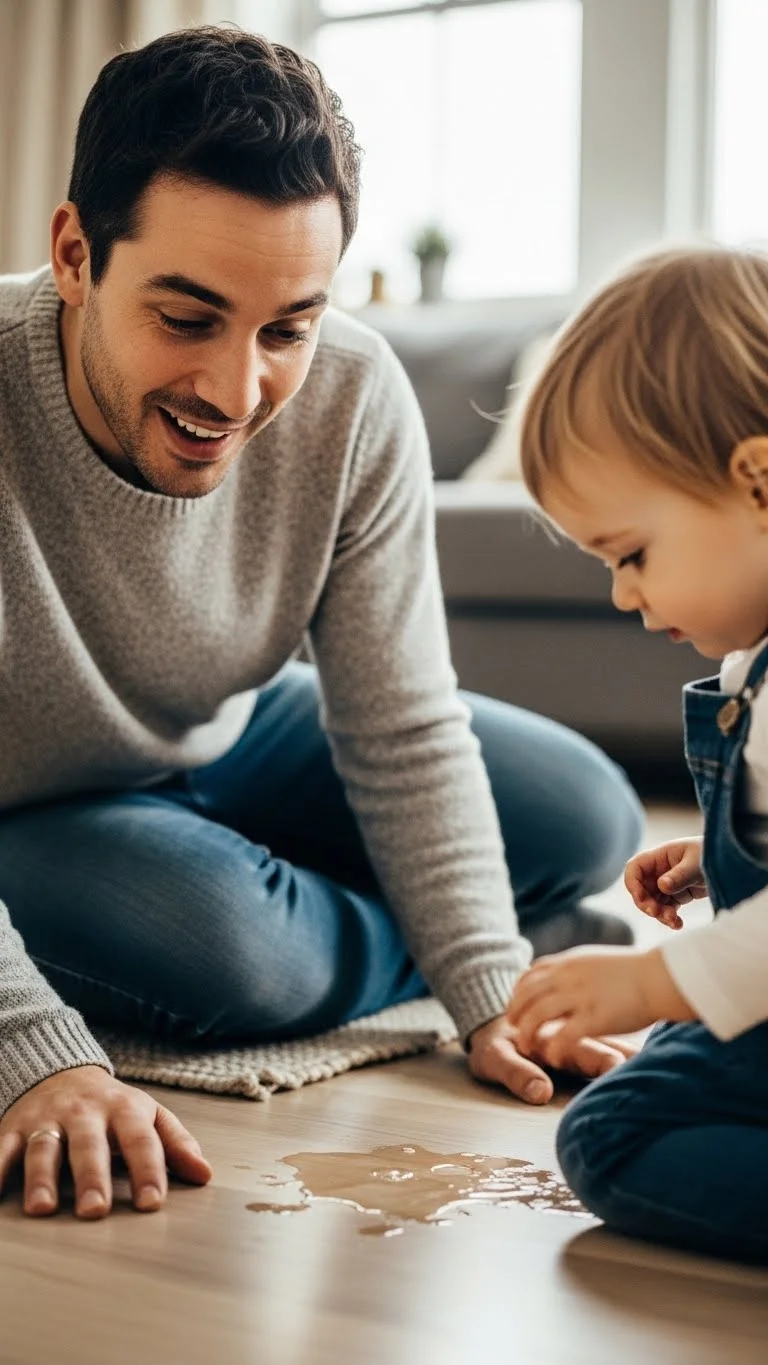
Mistakes happen daily. Treating them as learning moments removes fear and builds resilience. When adults stay calm and focus on fixing the problem, kids learn responsibility without shame. Share your own mistakes and show how you handle them. This teaches problem-solving and honesty. Children become more willing to try new things when failure feels safe. A calm response today shapes confidence and effort tomorrow.
- Keep Screen Time Predictable
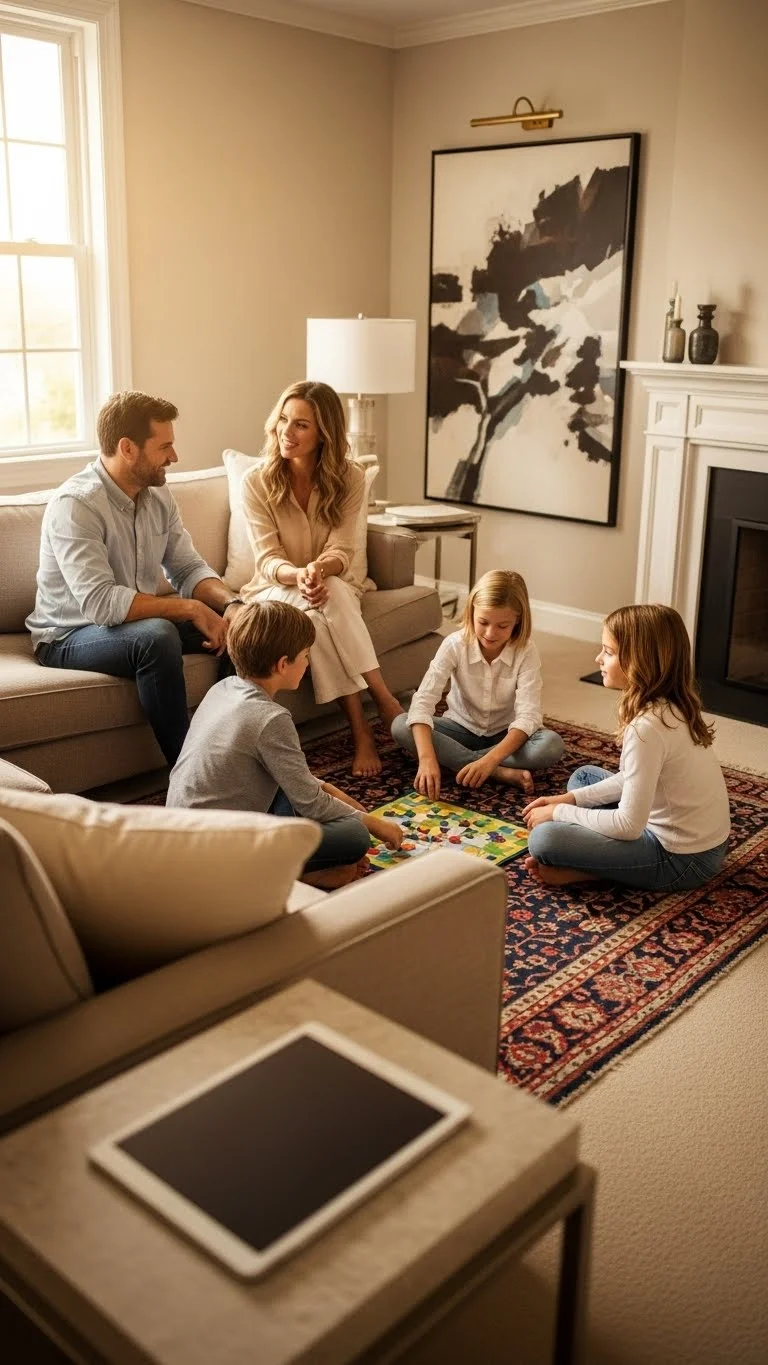
Unclear screen rules often lead to arguments. Predictable screen time removes that tension. Set simple time blocks and keep them the same each day. Children relax when they know what to expect. Announcements like “ten more minutes” help them prepare emotionally. You don’t need apps or timers with alerts. A simple routine works. When screens follow a pattern, kids stop asking constantly. Parents also feel calmer because decisions are already made. Predictability turns screen time into a routine instead of a daily struggle.
- Prepare Kids Before Activities End

Sudden endings cause frustration. Giving advance notice helps children adjust. Short warnings like “five more minutes” or “two more turns” make transitions smoother. This gives kids time to finish what they’re doing mentally and emotionally. Repeating the warning once helps it stick. No lectures required. Preparation lowers resistance and tears. Kids feel respected when they’re informed ahead of time. Small signals like this create calmer movement between activities throughout the day.
- Listen Fully Without Fixing

Children often share feelings, not problems to solve. Jumping in with advice can shut them down. Listening quietly shows respect and care. Nod. Reflect what you hear. Let silence exist. This builds trust and emotional safety. When kids feel heard, they calm faster and open up more often. Advice can wait until they ask for it. Listening costs nothing but builds strong communication habits that last far beyond childhood.
- Lower Expectations on Hard Days

Some days feel heavier than others. On those days, doing less helps everyone cope better. Shorten routines. Skip extra tasks. Choose rest over productivity. This doesn’t mean giving up structure. It means adjusting temporarily. Kids sense adult stress quickly. Slowing down supports emotional balance for the whole family. Tomorrow can look different. Allowing space on hard days builds resilience and teaches self-kindness through example.
- Create a Calm Corner at Home
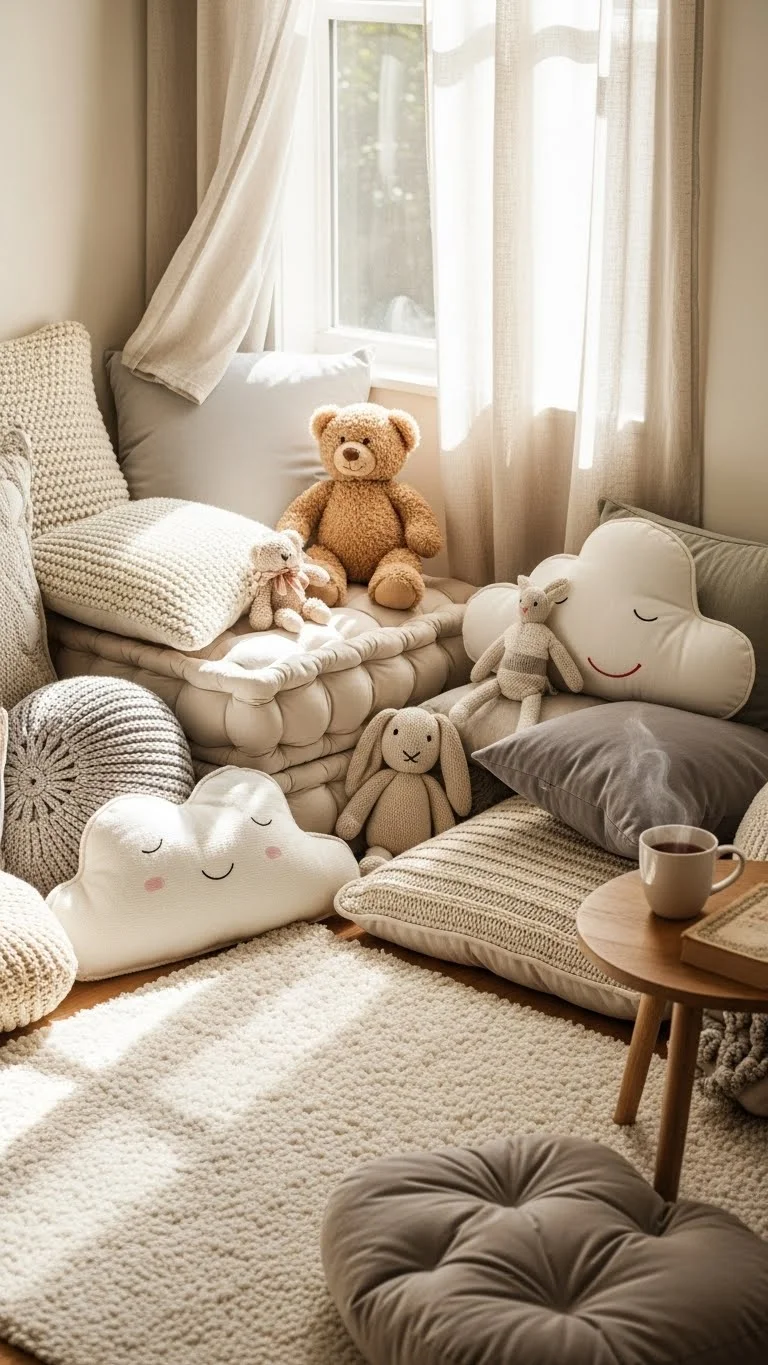
A calm corner gives children a place to reset without punishment. Fill it with pillows, books, or paper for drawing. Keep it quiet and welcoming. This space supports self-regulation and emotional awareness. Kids can choose to go there when overwhelmed. Parents don’t need to force it. Over time, children learn how to pause and settle themselves. A calm corner supports emotional growth using simple items already at home.
- Speak With Respect During Conflict

How adults speak during conflict shapes how children respond. Calm tones guide better than raised voices. Speaking respectfully doesn’t mean allowing poor behavior. It means correcting without anger. Children copy the tone they hear. Staying steady helps situations cool down faster. Even when emotions run high, respectful language keeps communication open. This approach builds long-term trust and teaches healthy ways to handle disagreements.
- Avoid Comparing Children
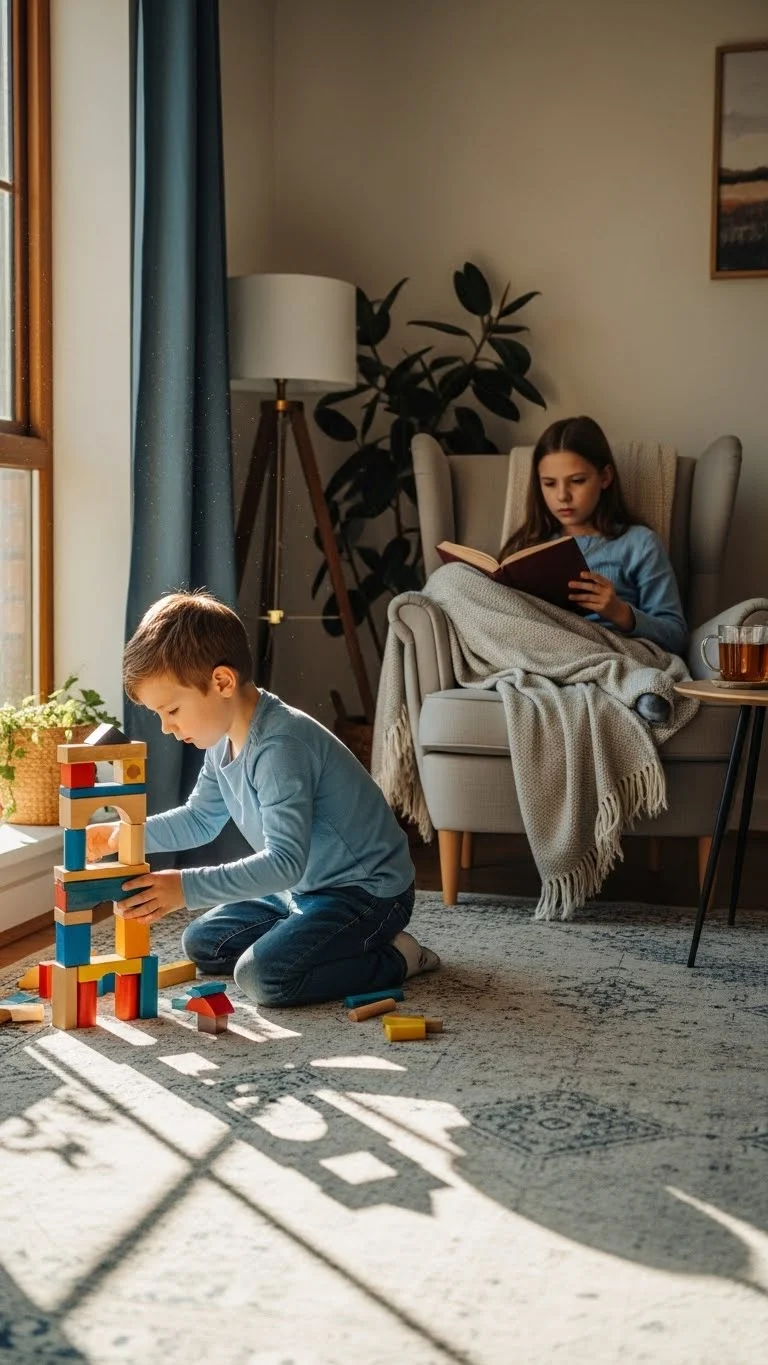
Each child grows at their own pace. Comparisons create pressure and distance. Focus on individual effort instead. Acknowledge progress without linking siblings together. This supports confidence and reduces rivalry. Children feel safer being themselves when they aren’t measured against others. Even casual comparisons can stick longer than intended. Choosing separate encouragement helps relationships stay warmer and more cooperative at home.
- Let Safe Outcomes Teach Lessons

Experience often teaches faster than reminders. When safety allows, let children feel the result of their choices. Feeling cold leads to wearing a jacket next time. Forgetting homework leads to problem-solving later. Stay supportive, not sarcastic. Natural outcomes help kids connect actions with results. This builds responsibility and learning through real moments rather than repeated warnings.
- Praise Effort Instead of Labels

Praise works best when it focuses on effort rather than traits. Saying “you worked hard on that” guides children to value practice and patience. Labels like “smart” or “good” can create pressure over time. Effort-based praise helps kids try again after setbacks. Keep it specific and honest. Notice actions, not personality. This builds confidence through progress rather than approval. Children learn that growth comes from practice, not perfection, and they stay more open to learning.
- Protect One-on-One Time
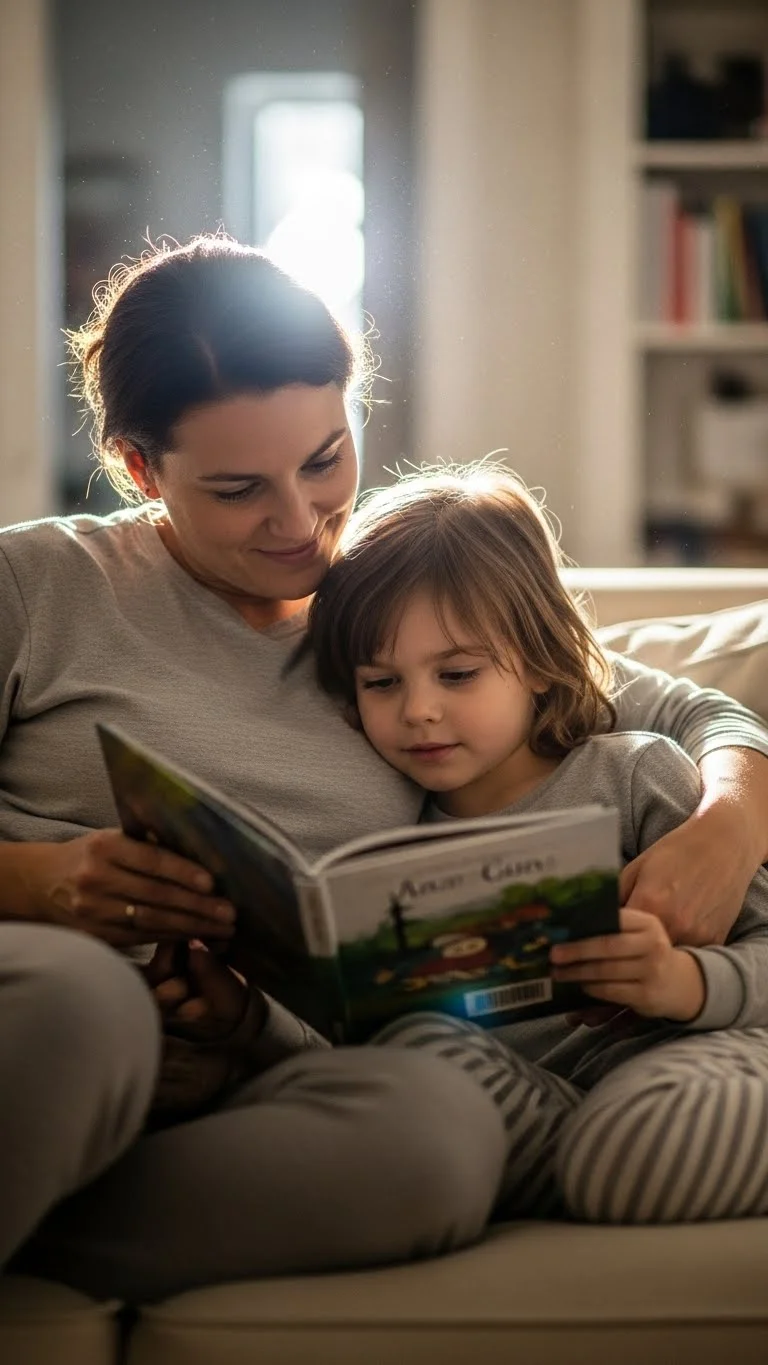
Short one-on-one moments strengthen relationships. Even ten minutes makes a difference. Let the child choose the activity. Put distractions aside. This time builds trust and reduces attention-seeking behavior later. No planning or spending required. Consistent presence matters more than length. Children feel valued when they receive focused attention. These small moments support emotional balance and make daily routines smoother.
- Respond With Curiosity, Not Assumptions

Behaviour often signals something underneath. Instead of reacting quickly, pause and observe. Ask gentle questions. Hunger, tiredness, or frustration often play a role. Curiosity opens understanding and guides better responses. This approach reduces power struggles and builds empathy. Children feel safer when adults try to understand rather than judge. Calm curiosity supports cooperation and strengthens communication over time.
- Keep Family Rules Few and Clear
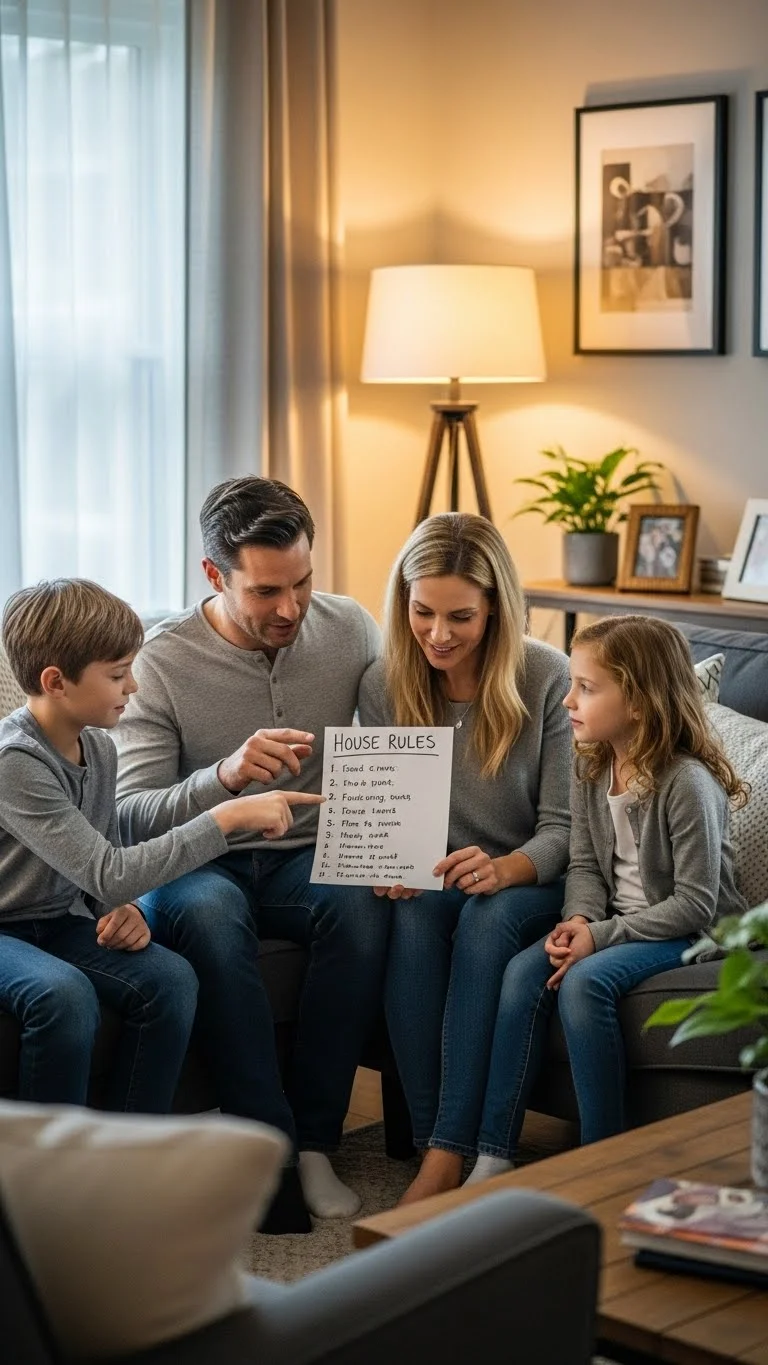
Too many rules overwhelm children and parents. Choose a small number that truly matter. Repeat them often and model them daily. Clear rules are easier to remember and follow. This helps children feel secure and reduces repeated corrections. Simple expectations guide behaviour more effectively than long lists. When rules stay consistent, daily routines feel steadier and calmer for everyone.
- Repair After Conflict

Disagreements happen in every home. Repairing afterwards matters more than avoiding conflict. Apologize when needed. Acknowledge feelings. Reconnect with warmth. This teaches accountability and trust. Children learn that mistakes don’t break relationships. Repair turns tension into learning and strengthens emotional bonds. Calm repair builds security and shows healthy ways to handle disagreements.
- Protect Sleep With Steady Routines

Sleep supports mood and behaviour. Steady bedtime routines help bodies slow down naturally. Keep steps simple and repeat them nightly. Reading, dim lights, and quiet time work well. No special tools required. When sleep stays steady, mornings feel easier and emotions stay balanced. Consistent rest supports better focus and calmer days for the whole family.
- Value Progress Over Perfect Days

Parenting grows through practice, not perfect outcomes. Some days go smoothly. Others don’t. Focusing on progress helps parents stay patient with themselves and their children. Small improvements matter. Learning happens over time. Let go of unrealistic expectations. When families value growth, homes feel calmer and relationships stay strong even on challenging days.
- Keep Parenting United With Simple Signals

When parents respond differently, kids feel confused and test limits more often. Simple signals help adults stay aligned without long talks in front of children. A look, a nod, or a short phrase can signal agreement or pause. This keeps authority steady and reduces mixed messages. You don’t need meetings or plans. Just quiet teamwork. If one parent sets a limit, the other supports it. Later discussions can happen privately. United responses create safety for kids and reduce daily tension for adults.
- End the Day With Predictable Closure

Ending the day the same way brings comfort. A short routine like a hug, a story, or a quiet chat helps kids settle emotionally. Predictable closure tells their body and mind that the day is complete. This reduces bedtime resistance and nighttime worries. The routine doesn’t have to be long. Even five minutes works. Use what you already do. When days end calmly, sleep improves and mornings begin with less emotional weight for everyone.
Conclusion
Modern parenting works best when it stays realistic and flexible. The ideas in this guide focus on calm guidance, clear limits, and everyday habits that fit real family life. You don’t need to change everything at once. Even one small shift can ease tension and improve connection. Over time, simple actions shape steadier routines and stronger communication. Parenting isn’t about perfect responses or flawless days. It’s about learning, adjusting, and showing up with patience. When homes feel calmer, children feel safer, and growth happens naturally for everyone involved.
