

20 Morning Routine Ideas for More Peaceful Starts

Mornings set the tone for the entire day. A rushed start often leads to stress that follows you for hours. A calm routine, even a simple one, can change how your day feels. You do not need fancy tools or expensive habits. Small, repeatable actions done daily can create a sense of steadiness and comfort. This list focuses on simple morning ideas that fit real life, tight budgets, and busy homes. Each habit is easy to try and simple to adjust. You can pick one or two and build slowly. Peaceful mornings are possible when routines feel kind, flexible, and realistic.
- Wake Up Without Hitting Snooze

Hitting snooze feels comforting, but it often creates a rushed start. Waking up once helps your body feel more settled. Try placing your alarm across the room. This simple change encourages gentle movement instead of lying half-awake. Choose a calm alarm sound rather than something loud. Soft sounds help your mind wake slowly. If mornings feel hard, go to bed ten minutes earlier. Small changes matter. Open your curtains right after standing up. Natural light helps your body recognise morning. Keep your phone off for the first few minutes. This protects your focus and mood. You can also create a pleasant reason to get up. A warm drink, a favourite mug, or quiet time alone can help. Nothing fancy is required. Even sitting on the bed and stretching for one minute helps.
- Drink a Glass of Water First Thing

After sleeping all night, your body feels dry and sluggish. Drinking water right away helps you feel awake without effort. Keep a glass or bottle near your bed. This removes excuses and saves time.You do not need special water. Plain tap water works well. If you like flavor, add a slice of lemon. This costs very little and feels pleasant. Take slow sips instead of rushing. This habit supports steady energy. It helps reduce morning headaches and heavy feelings. Many people confuse thirst with tiredness. Water clears that confusion gently. Make it part of a simple flow. Wake up. Sit up. Drink water. No thinking required. Over time, this becomes automatic. You start your day with care instead of chaos. A calm body helps create a calm mind. This small action takes less than a minute. Yet it changes how your morning feels from the start.
- Stretch for Five Quiet Minutes

Stretching wakes up your body without pressure. You do not need a mat or routine. Simple movements work fine. Reach your arms overhead. Roll your shoulders. Gently bend side to side. Focus on how your body feels, not how it looks. Breathe slowly while moving. This helps release tension built during sleep. Stretching also reduces stiffness, especially if you sit a lot during the day. Keep it short. Five minutes is enough. You can stretch on the bed or floor. No rules apply. If time feels tight, stretch while the kettle boils. This habit signals safety to your nervous system. Your body feels cared for. Mornings feel less rushed. Over time, stretching becomes a comfort instead of a task. Simple movement creates space in your body. That space carries into your thoughts and actions.
- Make Your Bed in a Simple Way

Making your bed creates instant order. It takes less than two minutes. You do not need perfection. Straighten the blanket. Fluff the pillow. That is enough. This small task gives a sense of completion early in the day. It sets a calm tone. A tidy bed also makes your room feel peaceful when you return later. If full bed-making feels tiring, keep it simple. Use fewer pillows. Choose easy bedding. Less effort means more consistency. This habit builds quiet confidence. You start the day with one finished task. That feeling carries forward. A calm space supports a calm mind. Your bedroom becomes a place of rest, not stress.
- Avoid Your Phone for the First 20 Minutes

Checking your phone right away floods your mind with noise. Messages, news, and alerts pull your focus outward. Waiting even 20 minutes protects your mood. Place your phone in another room overnight. Use a basic alarm clock if possible. This removes temptation. If that feels hard, keep your phone face-down. Use the first minutes for yourself. Sit quietly. Stretch. Drink water. Let your mind wake naturally. This habit reduces stress and comparison. You start the day on your own terms. Over time, mornings feel quieter and more controlled. Peace often comes from what you delay, not what you add.
- Step Outside for Natural Light

Morning light helps your body understand that the day has started. You do not need a long walk or special place. Just step outside for a minute or two. Stand on a balcony, near your door, or by an open window. Let the light touch your face and hands. Breathe slowly while you stand there. This small habit helps your body wake up naturally. It can also support better sleep later at night. Many people feel more alert after light exposure without needing extra caffeine. If the weather feels cold, wrap yourself in a shawl or jacket. Even short exposure works. Avoid using your phone during this time. Look at the sky or nearby trees instead. This quiet pause helps your mind feel steady. Starting the day with light and stillness creates a gentle rhythm that carries forward.
- Prepare a Warm Morning Drink

A warm drink can feel grounding in the early hours. Tea, coffee, or warm milk all work well. Choose something simple and familiar. Use a mug you enjoy holding. Small comforts matter in the morning. While the drink warms, slow down. Notice the steam. Take steady sips instead of rushing. This short pause gives your body time to wake up gently. You do not need special blends or tools. Regular tea bags or instant coffee are fine. If mornings feel stressful, make this drink your first task. It creates a sense of calm before responsibilities begin. You can drink it sitting quietly or near a window. Even a few peaceful minutes can shift your mood. This habit costs very little yet adds warmth and ease to the start of your day.
- Sit in Silence for Two Minutes
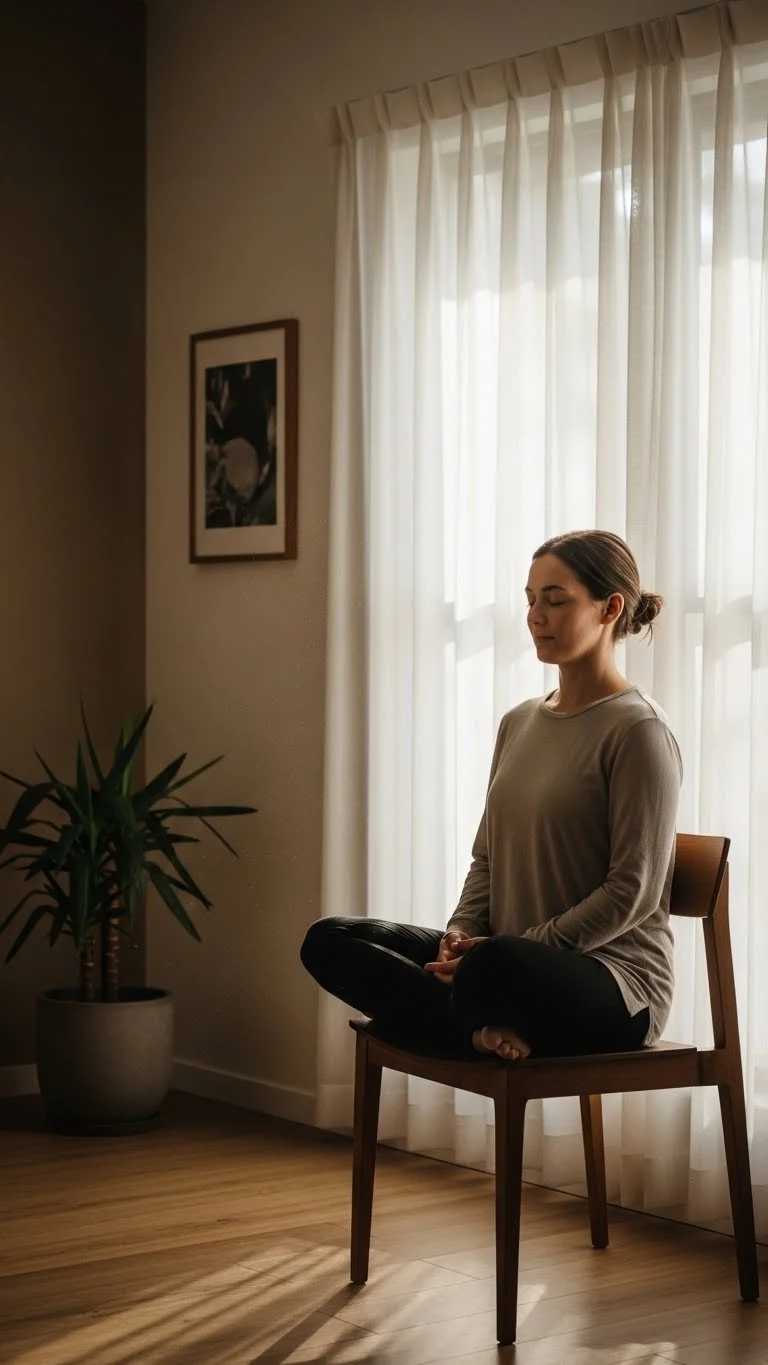
Silence can feel unusual at first, especially if you are used to noise. Sitting quietly for two minutes helps your mind slow down. You can sit on a chair, bed, or floor. Keep your back relaxed. Close your eyes or soften your gaze. Focus on your breathing. No special technique is required. Thoughts will come. Let them pass without judgement. The goal is not to clear your mind but to pause. This short moment of stillness helps reduce emotional overload later. It teaches your body that calm is allowed. If two minutes feels long, start with one. Over time, silence becomes comforting rather than awkward. This habit creates space before the day begins, helping you respond calmly instead of reacting quickly.
- Write One Simple Intention

Writing one intention helps guide your day without pressure. Use a notebook, sticky note, or scrap paper. Write a short sentence that feels kind and realistic. Examples include “Move slowly today” or “Stay patient when things feel hard.” Avoid long lists or goals. One line is enough. This keeps your focus clear and gentle. Place the note somewhere visible, like your desk or bag. This habit takes less than a minute yet shapes your mindset. When the day feels busy, your intention acts as a quiet reminder. You can return to it whenever you feel rushed. Writing helps turn thoughts into something steady. Over time, this practice builds awareness and emotional balance, making mornings feel more centred and purposeful.
- Play Soft Background Music

Music can quietly shape the mood of your home. Choose soft sounds, light instrumental tracks, or slow songs. Keep the volume low so it feels supportive rather than distracting. Play music while getting ready, eating breakfast, or tidying. It helps create a calm flow without demanding attention. You do not need speakers or paid subscriptions. Many free options are available on devices you already use. Avoid loud or fast music early in the day. Gentle sounds help your body move at a steady pace. Music can also reduce tension for others in the home. This habit turns ordinary tasks into smoother moments. Sound fills the space with ease, helping everyone start the day with less rush and more balance.
- Tidy One Small Area

Cleaning everything in the morning can feel tiring. Instead, choose one small spot. Clear a table, rinse a few dishes, or put shoes away. Keep the task simple and quick. This small action reduces visual clutter, which helps your mind feel calmer. You do not need perfection. Even partial order helps. Set a timer for five minutes if needed. This habit builds a sense of control early in the day. It shows that progress does not require large effort. Over time, small tidying actions add up. Your space feels lighter and easier to manage. Starting the day with one completed task creates quiet confidence and reduces stress later on.
- Read One Page of Something Gentle

Reading one page in the morning helps your mind wake up slowly. Choose light material that feels comforting. Poetry, short reflections, or simple stories work well. Avoid heavy or upsetting topics early in the day. Keep the book nearby so it is easy to reach. Read while drinking your warm drink or sitting near a window. One page is enough. Stop even if you want more. This habit replaces scrolling with calm focus. It feeds your mind without pressure. Over time, reading becomes a peaceful anchor in your routine. It creates a soft mental start, helping you feel grounded before daily demands begin.
- Prepare Breakfast the Night Before

Morning stress often comes from rushed decisions. Preparing breakfast earlier removes that pressure. Cut fruit, soak oats, or set out dishes before bed. Keep choices simple. You do not need complex meals. Basic food works well and saves time. This habit helps mornings feel smoother and more predictable. When breakfast is ready, you can eat calmly or grab it quickly without panic. This supports steady energy and better focus. Preparing food ahead also reduces waste and last-minute spending. A little planning creates ease. Your mornings become quieter when fewer decisions wait for you.
- Wash Your Face Slowly

Washing your face can be more than a quick habit. Turn it into a short pause. Use lukewarm water and gentle movements. Let the water wake you up instead of rushing through the task. Focus on how the water feels on your skin. Take one slow breath while washing. This small moment helps your body settle into the day. You do not need special products. Basic soap or face wash works fine. Avoid multitasking during this time. No phone. No rushing thoughts. Just a simple routine done with care. This habit creates a sense of calm before other responsibilities begin. When you slow down during small tasks, your mind often follows. A steady start makes the rest of the morning feel less pressured and more manageable.
- Open Windows for Fresh Air

Opening your windows for a few minutes can change the mood of your home. Morning air helps clear out heavy or stale smells. It also makes rooms feel lighter and more comfortable. You do not need to keep windows open long. Even two or three minutes helps. Let the air move through the space while you get ready. If weather feels cool, open just one window slightly. This habit costs nothing and requires little effort. Fresh air supports alertness and comfort. It can also help reduce that sleepy feeling indoors. Over time, this simple step becomes part of your rhythm. Your home feels calmer and more inviting. Starting the day with clean air helps you feel refreshed without adding extra tasks.
- Dress in Comfortable Clothes

What you wear in the morning affects how you move and feel. Choose clothes that feel soft and easy. Tight or uncomfortable outfits can create irritation early in the day. Set your clothes out the night before if possible. This removes rushed decisions in the morning. Comfort does not mean messy. Simple, clean pieces work well. When your body feels relaxed, your mood often follows. Comfortable clothing supports smoother movement and fewer distractions. This habit is especially helpful if mornings feel stressful. It allows you to focus on what matters instead of adjusting your outfit all day. Dressing with comfort in mind helps your morning feel kinder and more supportive.
- Say One Kind Sentence to Yourself

The words you use with yourself in the morning shape your day. Say one kind sentence quietly or out loud. Keep it simple and honest. Examples include “I am doing my best” or “I can move through today calmly.” This habit helps soften harsh thoughts. It creates emotional safety before challenges appear. You do not need affirmations that feel forced. Choose words that feel true. Saying something kind takes only a few seconds. Over time, it changes how you respond to stress. You begin the day feeling supported instead of judged. This small act of self-kindness helps mornings feel gentler and more balanced.
- Keep a Simple Morning Order
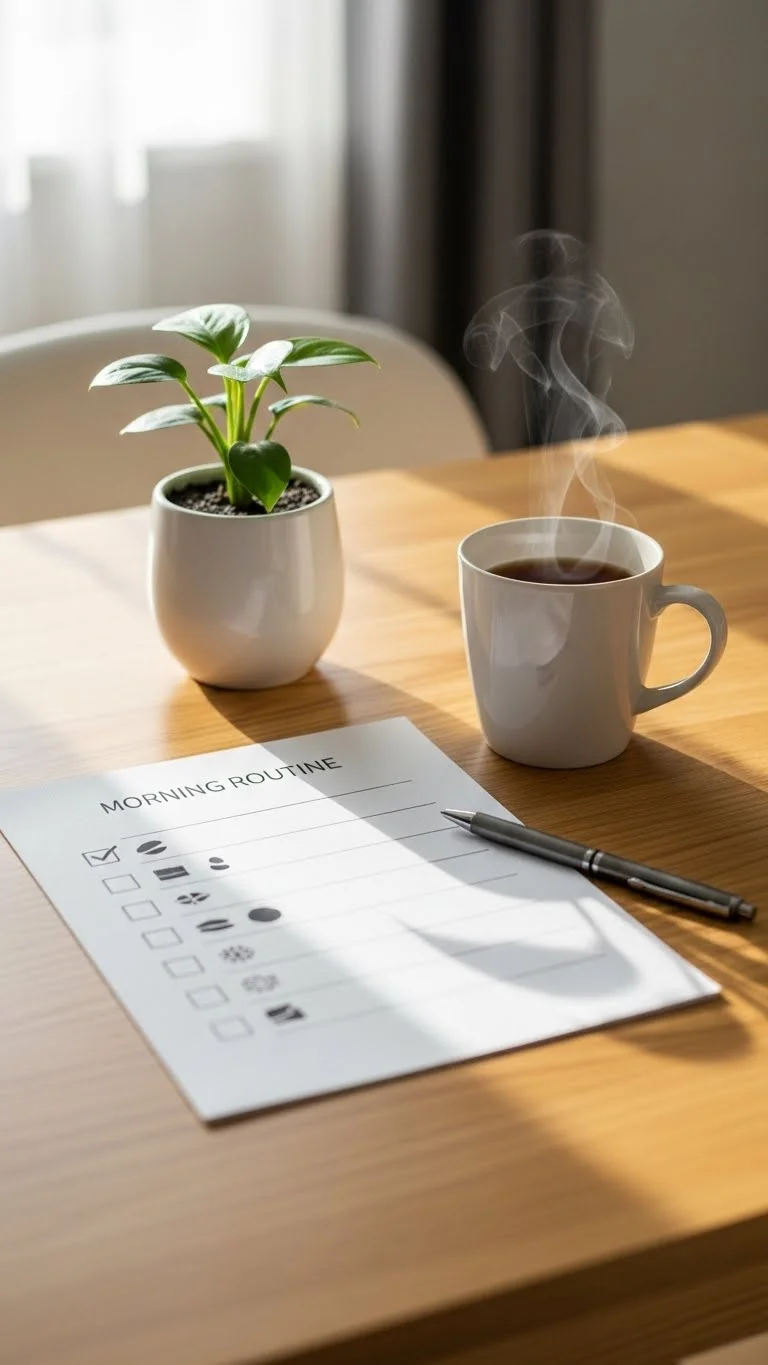
Doing tasks in the same order each morning reduces mental effort. When your body knows what comes next, mornings feel smoother. Wake up. Drink water. Wash your face. Eat. This repetition removes decision pressure. You do not have to think about every step. Your routine becomes familiar and comforting. Keep the order simple and flexible. It does not need to be perfect. Even a loose pattern helps. This habit supports consistency without stress. Over time, mornings feel easier because your body and mind move together. A steady order helps create calm without adding extra work.
- Limit Morning News Exposure

News can bring worry early in the day. Waiting before checking headlines protects your mood. Focus on your immediate space first. You can choose a later time to catch up. Morning hours are better spent on yourself and your home. This habit helps reduce anxiety and distraction. If you feel the urge to check, set a clear boundary. Tell yourself you will look later. Over time, this becomes easier. Your mornings feel quieter and more controlled. Limiting news early allows you to start the day with steadiness instead of tension.
- Leave the House Five Minutes Earlier

Leaving slightly earlier removes pressure. Those extra minutes create breathing room. Traffic, delays, or small issues feel less stressful. You do not need to rush or speed. Moving calmly helps your body stay relaxed. This habit often improves your mood for the rest of the day. Prepare items the night before to make this easier. Shoes, bags, and keys placed together save time. Leaving early changes how the day unfolds. You arrive feeling steady instead of tense. A small time shift can bring a surprising sense of ease and control.
Conclusion
Peaceful mornings are not created by perfection or strict schedules; they grow from small, kind actions practised with intention each day. You don’t need to wake up earlier, overhaul your entire routine, or follow someone else’s idea of a “perfect” morning. Real calm begins when you choose just one habit that feels manageable something that fits naturally into your life right now. It could be taking a few deep breaths before getting out of bed, enjoying a quiet sip of tea, or preparing one small thing the night before.
