

22 Survival Ideas for the First Weeks with Your New born

 The first weeks with a newborn can feel like a blur of feeds, naps, and tiny cries that tug at your heart. Days melt into nights. Simple tasks suddenly take longer. Emotions can swing fast. This stage is tender, tiring, and full of learning. You’re figuring out your baby, and you’re also learning about yourself. These survival ideas focus on real-life habits that fit into messy homes, tight budgets, and unpredictable schedules. No fancy gear. No long plans. Just small actions that can help you rest more, stress less, and feel steadier while you care for your little one.
- Create a Simple Feeding Station

A feeding station can save time and energy. Pick one spot where you often feed your baby. Add water, snacks, burp cloths, and a phone charger. Keep it simple. A small basket works fine. This way, you won’t keep getting up while holding a sleepy baby. Budget tip: Use items you already have. A shoebox can hold snacks. A scarf can work as a light blanket. You don’t need special furniture. This small setup can make long feeding sessions calmer. It also helps you stay hydrated and fed, which matters during this stage. Small comforts can change long nights.
- Wear Your Baby Around the House

Wearing your baby can make daily life feel far more manageable during the early weeks. Newborns crave closeness, warmth, and the steady rhythm of your body. When you wear your baby in a soft wrap or carrier, they feel safe and soothed—while your hands are free to do small, simple tasks. You might make tea, step outside for fresh air, or gently tidy one corner of the room. Babywearing can be especially helpful when your baby is fussy or won’t settle. The gentle movement, your scent, and your heartbeat can calm them faster than anything else. It can also help reduce crying and encourage longer naps. You don’t need an expensive carrier. Many parents borrow, buy secondhand, or receive one as a hand-me-down. Practice using it when you’re calm so you feel more confident later.
- Keep a Basket in Every Room
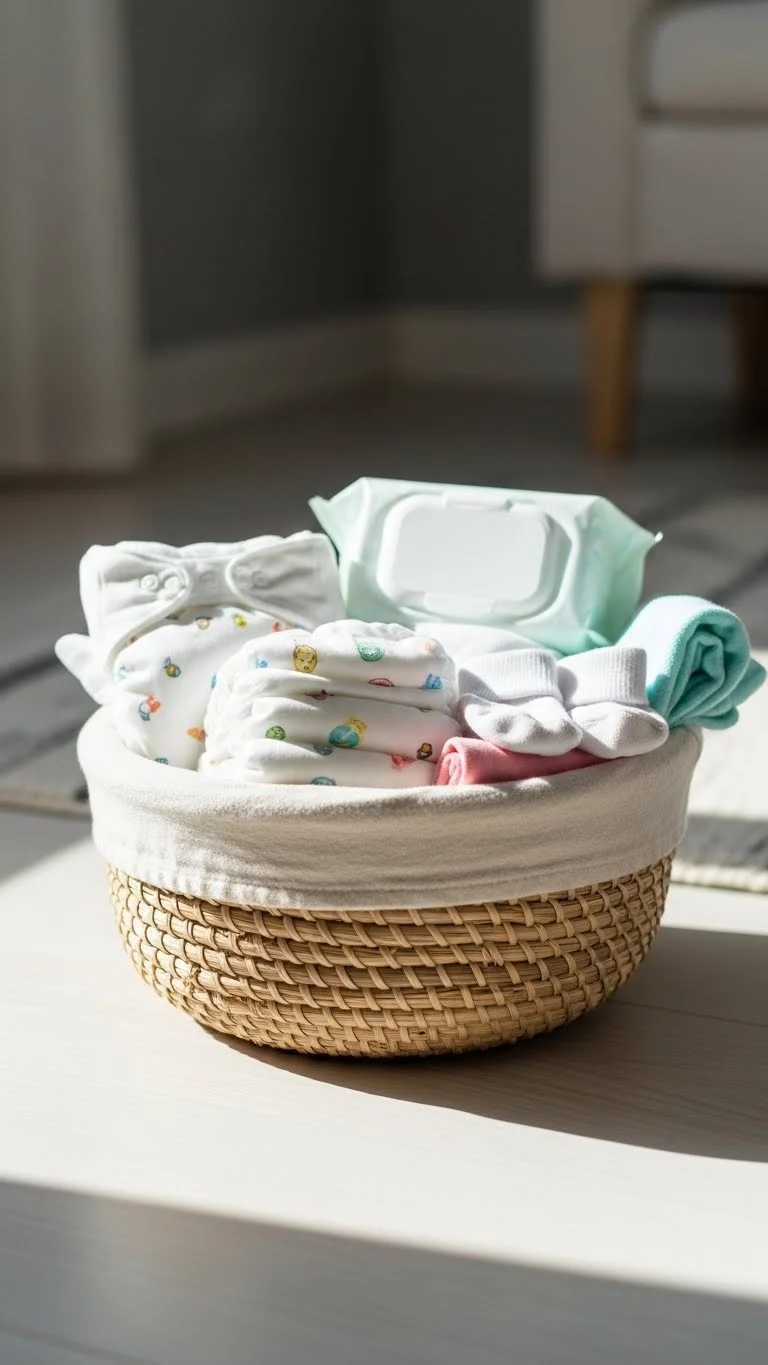
In the first weeks, even small tasks can feel overwhelming. Walking across the house for a diaper, wipes, or a fresh outfit can suddenly feel exhausting—especially when your baby is already crying. Placing a small basket of essentials in each main room saves you time and energy. Fill it with diapers, wipes, burp cloths, a spare outfit, and anything else you use often. When everything is within reach, changes feel calmer and quicker. You don’t need fancy storage. Old tote bags, cardboard boxes, or unused drawers work just as well. This is about convenience, not aesthetics. This habit reduces stress because you don’t have to think—you just reach. Less thinking means less overwhelm. When you’re tired, small systems like this can make a big difference. Prepared spaces create calmer moments. And calmer moments help you feel more in control.
- Accept Help Without Guilt

Many new moms struggle with asking for or accepting help. You may feel like you should be able to handle everything on your own. But this season is intense, emotional, and physically demanding. Support is not a luxury—it’s a necessity. If someone offers to bring food, fold laundry, or hold the baby while you shower, say yes. These small gestures can make your day feel lighter. If asking feels awkward, give people specific tasks. Washing bottles, running errands, or preparing a simple meal are easy ways others can help. You are not weak for needing support—you are human. Healing, learning, and bonding take energy. Letting others help gives you space to rest, reset, and breathe. That space makes you a calmer, more present parent. And that benefits your baby too.
- Sleep When You Can

Sleep will not look the same in these early weeks—and that’s okay. Long, uninterrupted nights may be rare, but rest still matters deeply. Instead of chasing perfect sleep schedules, focus on grabbing small moments of rest whenever they appear. If your baby is sleeping, try to lie down too, even if you don’t fall fully asleep. Close your eyes. Silence notifications. Dim the room. Let your body pause. Even 15–20 minutes of rest can help your mind reset and your emotions feel more manageable. It’s tempting to use quiet moments to catch up on chores, but remember: your body is healing, adjusting, and doing intense emotional work. Rest is not laziness—it is recovery. When you sleep, you cope better. You feel less overwhelmed. You cry less easily. Everything feels a little more possible. Think of rest as part of caring for your baby. A rested parent is more patient, more present, and more emotionally steady.
- Lower Your Daily Expectations

Life with a newborn is not the time for big goals or long to-do lists. Your main job right now is feeding your baby, resting when possible, and healing—physically and emotionally. Everything else is secondary. Some days, you may not get dressed. Some days, the dishes will pile up. Some days, you’ll only manage to feed your baby and sit quietly. And that is enough. Choose one tiny goal each day. Maybe it’s brushing your hair. Maybe it’s stepping outside for fresh air. Maybe it’s taking a shower. Small wins matter. Lowering your expectations doesn’t mean you’re giving up. It means you’re being kind to yourself. This season is about survival, not productivity. You are learning, adjusting, and bonding with a brand-new human. When you stop expecting too much from yourself, you breathe easier. And when you breathe easier, everything feels lighter.
- Prep Easy Snacks

Hunger often sneaks up on new parents. One moment you’re fine, and the next you feel shaky, dizzy, or exhausted. Having easy snacks ready can make a big difference in how you feel throughout the day. Think simple: bananas, crackers, nuts, yogurt, peanut butter toast, boiled eggs, or granola bars. Keep them near where you usually feed your baby so you don’t have to get up. You don’t need fancy meals. Right now, food is fuel. Your body is healing, producing milk (if breastfeeding), and running on very little sleep. When you eat regularly, your energy improves. Your mood stabilizes. Your patience increases. Small snacks can prevent big emotional crashes. Taking care of your body helps you take care of your baby. It’s not selfish—it’s essential.
- Learn Your Baby’s Cues

At first, every cry may sound the same. That’s normal. Over time, you’ll begin to notice patterns in your baby’s behavior. Certain sounds, movements, and facial expressions will start to mean something to you. Your baby may rub their eyes when tired, turn their head away when overstimulated, or make small rooting movements when hungry. These tiny cues are their way of communicating. You don’t need to be perfect. You just need to observe. Some parents like keeping a simple note in their phone to track patterns. Others rely on instinct. Both are valid. Confidence comes with time. Each day, you understand your baby a little more. And remember: your baby is learning too. You are growing together.
- Use Soft Lighting at Night

Bright lights can fully wake both you and your baby during nighttime feedings. Instead, use soft, dim lighting to keep the atmosphere calm and sleepy. A small lamp, nightlight, or warm-toned bulb works perfectly. This helps your baby stay relaxed and makes it easier for them to fall back asleep. Soft lighting also protects your tired eyes and reduces stimulation for your brain. It sends a signal that it’s still nighttime. These small changes can make nights feel less stressful and more peaceful. When nights feel calmer, days feel easier. You don’t need total darkness—just gentle light that doesn’t shock your senses. Little details like this can turn survival mode into something softer.
- Keep Clothes Simple

This is not the time for complicated outfits. Buttons, tight necks, and stiff fabrics will only add frustration to your day. Choose clothes that are soft, stretchy, and easy to put on and take off. Zippers are often easier than snaps. Two-way zippers can save time during diaper changes. Loose onesies are better than tight outfits. Your baby will spit up. Blowouts will happen. Clothes will be changed often. Keep it simple. Comfort matters more than style right now. When dressing your baby is easy, your stress stays lower. And when your stress is lower, everything feels more manageable. Simple systems protect your energy—and your energy is precious.
- Create a Calm Corner

In the middle of all the feeding, rocking, changing, and soothing, it helps to have one small place that feels peaceful. Your calm corner doesn’t need to be big or beautiful—it just needs to feel safe and comfortable to you. It could be a chair by a window, a spot on your couch, or a quiet corner of your bedroom. Add a soft pillow, a warm blanket, and maybe a small table for your water and snacks. This space can become your go-to area for feeding, cuddling, and resting. Over time, your baby may even begin to associate this spot with comfort and calm. When everything feels chaotic, having one consistent place can ground you. It gives your nervous system a chance to relax. You don’t have to escape your life—you just need one place where you can breathe. This calm corner isn’t about perfection. It’s about creating a tiny pocket of peace in a very full season.
- Limit Visitors
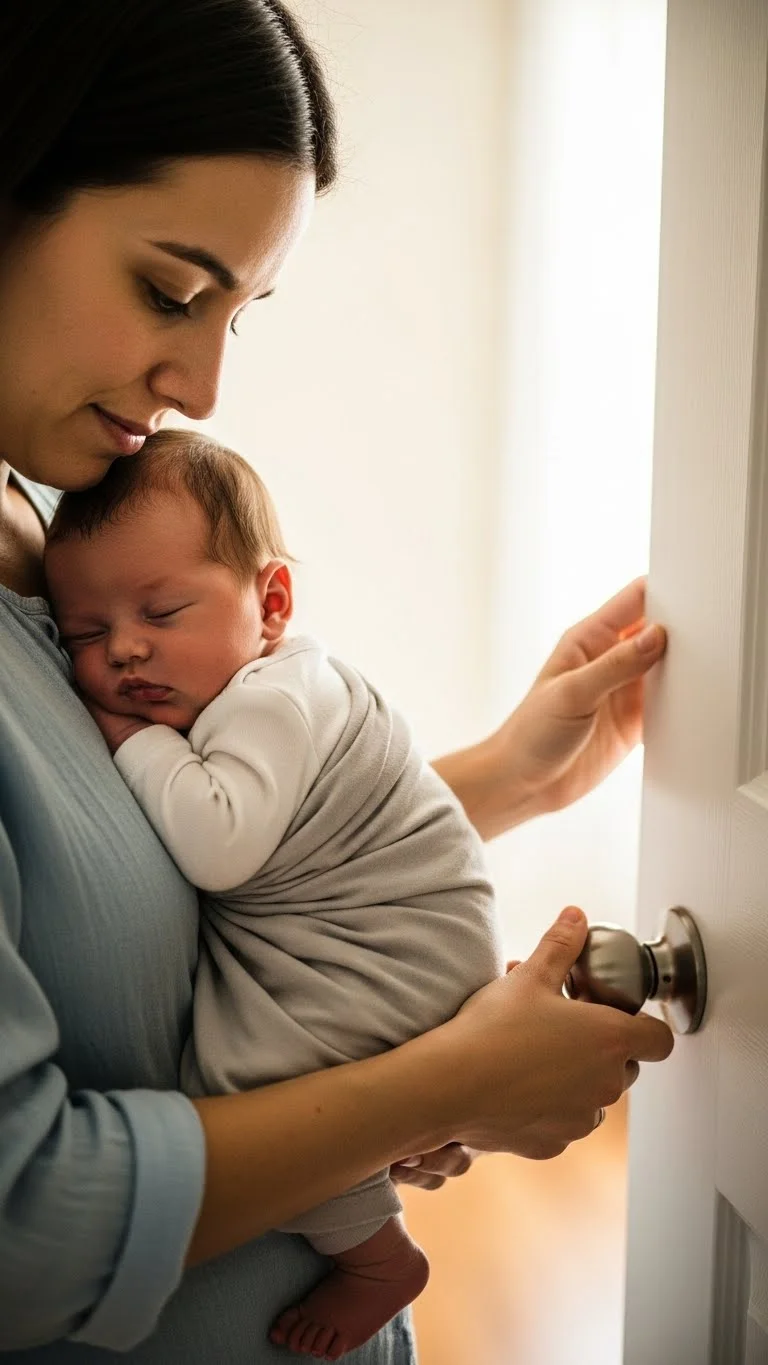
The early weeks with a newborn are emotional, exhausting, and deeply personal. While visitors may mean well, too many people can quickly drain your energy. It’s okay to protect your time, your space, and your rest. You don’t owe anyone access to you or your baby. Short visits are fine. Delaying visits is fine too. You can say things like, “We’re resting right now,” or “We’ll reach out when we’re ready.” No long explanations needed. Your main job right now is healing, bonding, and learning your baby. Extra noise, conversation, and expectations can make this harder. When you protect your space, you protect your recovery. And when you recover, you feel stronger, steadier, and more capable. Boundaries are not rude. They are necessary.
- Use White Noise

Inside the womb, babies are surrounded by constant sound—your heartbeat, your breathing, and the rhythm of your body. Complete silence can feel unfamiliar to them. White noise helps recreate that comforting environment. It can soothe your baby, reduce startling sounds, and help them sleep longer. A simple fan, phone app, or basic noise machine works just fine. You don’t need anything fancy. The sound should be gentle and steady, not loud. White noise can also help you relax. It softens background noise and makes the environment feel calmer. Many parents find that white noise becomes part of their routine. When babies hear it, they begin to associate it with rest. This small habit can make nights smoother and days gentler.
- Prep Bottles in Batches
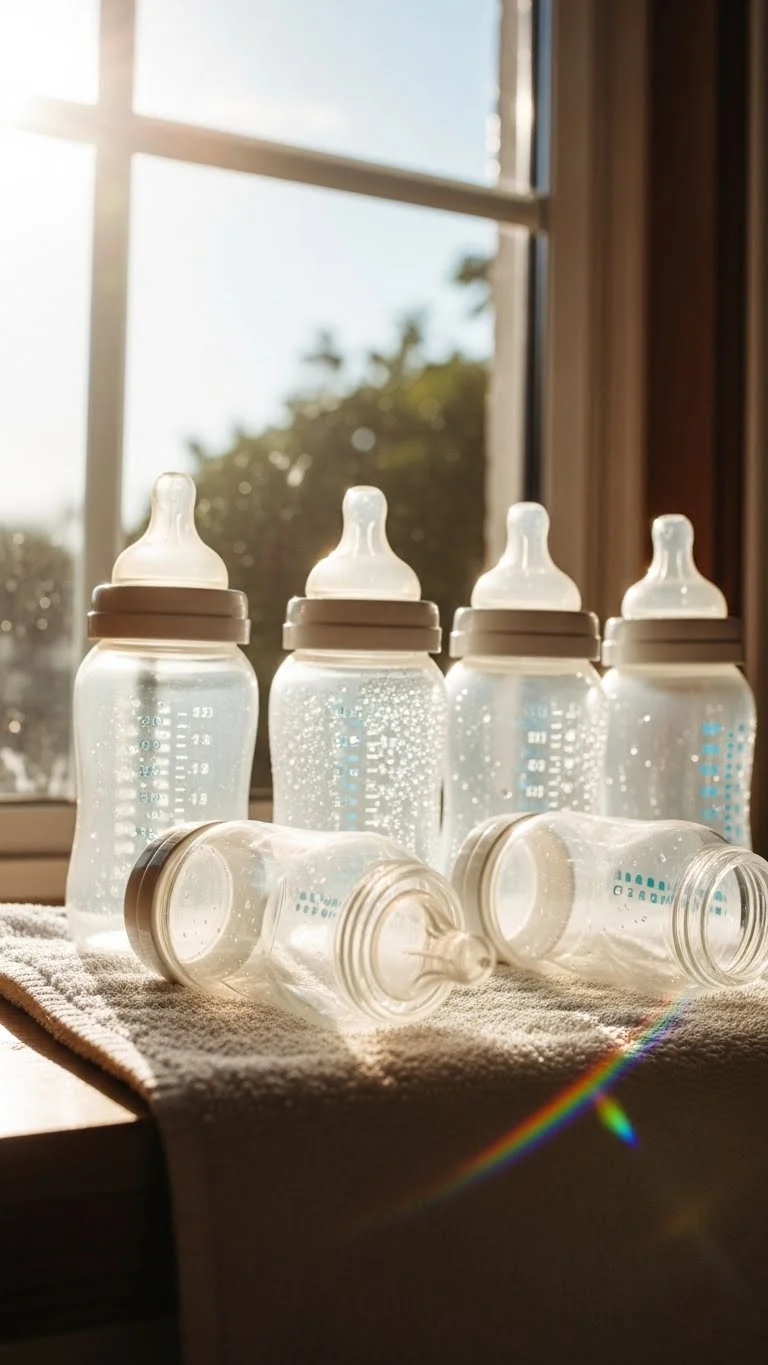
When you’re exhausted, even small tasks can feel heavy. Washing bottles one by one throughout the day can drain your energy. Instead, try batching. Wash bottles once or twice a day. Let them air dry together. Store them in one place so they’re always ready when you need them. This saves time, effort, and mental energy. Fewer decisions mean less stress. The less you have to think about small things, the more space your mind has to rest. Batching isn’t about being organized—it’s about surviving. Simple systems like this protect your energy. And right now, your energy is everything.
- Keep a Night Caddy
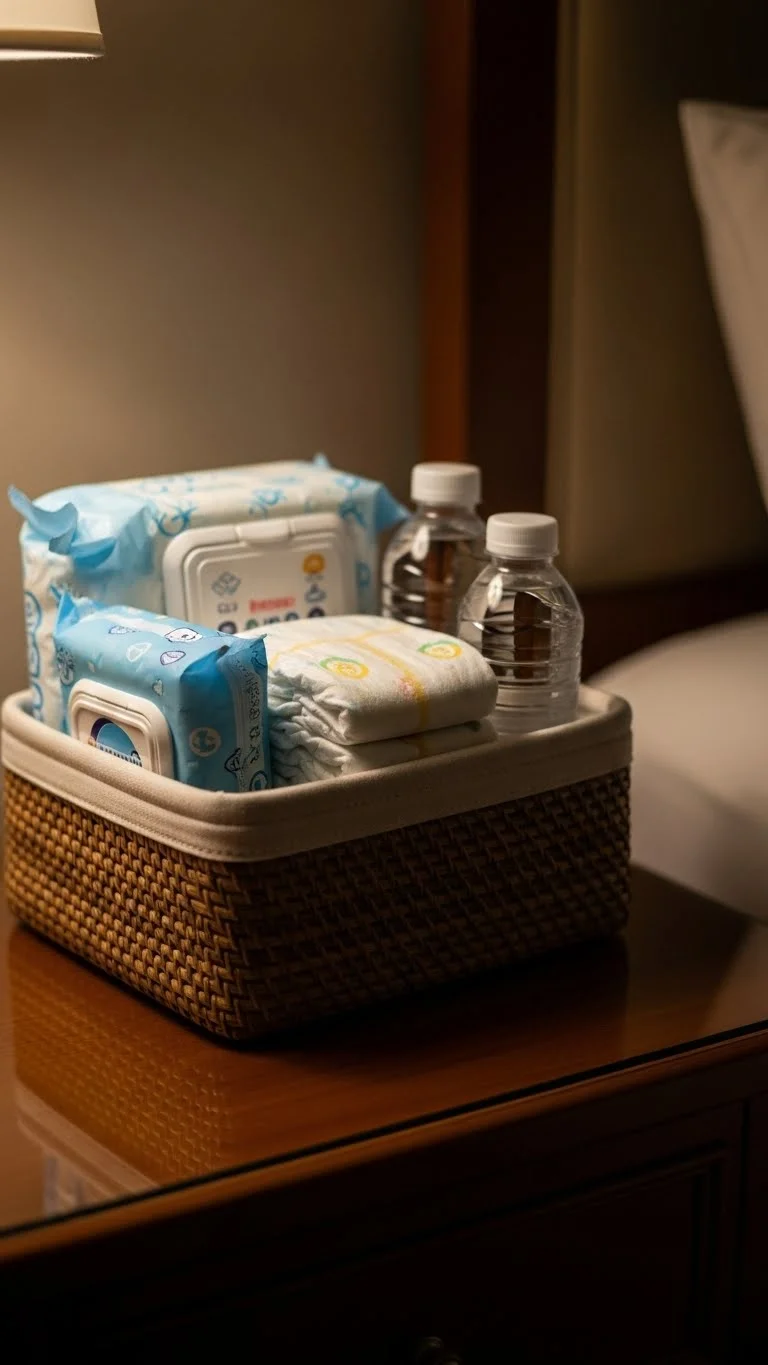
Nights can feel confusing when you’re half asleep and caring for a newborn. A small night caddy beside your bed can make everything easier. Fill it with diapers, wipes, burp cloths, nipple cream, snacks, and a water bottle. That way, you don’t have to walk around or fully wake up. Less movement means less stimulation—for both you and your baby. It also helps everyone fall back asleep more easily. This small setup reduces frustration and makes nights feel calmer. Prepared nights feel lighter. And lighter is what you need right now.
- Dress Baby for Comfort

Right now, comfort matters more than style. Your baby doesn’t care about matching outfits or cute buttons—they care about feeling warm, soft, and unrestricted. Choose clothes made of breathable, gentle fabrics. Loose-fitting onesies, stretchy pajamas, and soft socks are perfect. Avoid tight waistbands, stiff materials, or complicated designs. Zippers are often easier than snaps, especially during nighttime changes. Two-way zippers can save precious time. Your baby will spit up. Diaper leaks will happen. Clothes will be changed often. Keep it simple. When dressing your baby is easy, your stress stays lower—and that makes a big difference.
- Journal Small Moments

The early weeks can feel like a blur. Days and nights blend together, and memories fade faster than you expect. Writing down small moments can help you hold onto them. You don’t need long entries. One sentence a day is enough. Write about a funny face, a tiny hand around your finger, or the first time they smiled in their sleep. Later, you’ll be grateful for these little notes. Journaling isn’t about being poetic. It’s about remembering. It can also help you process emotions. Some days are hard. Writing them down can make them feel lighter. This season is fleeting—even when it feels endless.
- Eat One Warm Meal

When you’re caring for a newborn, it’s easy to forget about yourself—especially when it comes to food. You might find yourself grabbing cold leftovers, skipping meals, or surviving on snacks. While snacks are helpful, having at least one warm meal a day can make a big difference in how you feel. Warm food can be comforting, grounding, and nourishing. It doesn’t have to be fancy. Soup, rice, pasta, oatmeal, or a simple sandwich can do wonders. you a meal, say yes. If you can, prepare something easy in the morning to reheat later. A warm meal can lift your mood, settle your stomach, and give you a small sense of normalcy. It’s a simple way to care for your body in a time when everything feels new and uncertain. Nourishing yourself helps you show up with more energy and patience—for both yourself and your baby.
- Keep Baby Supplies Visible
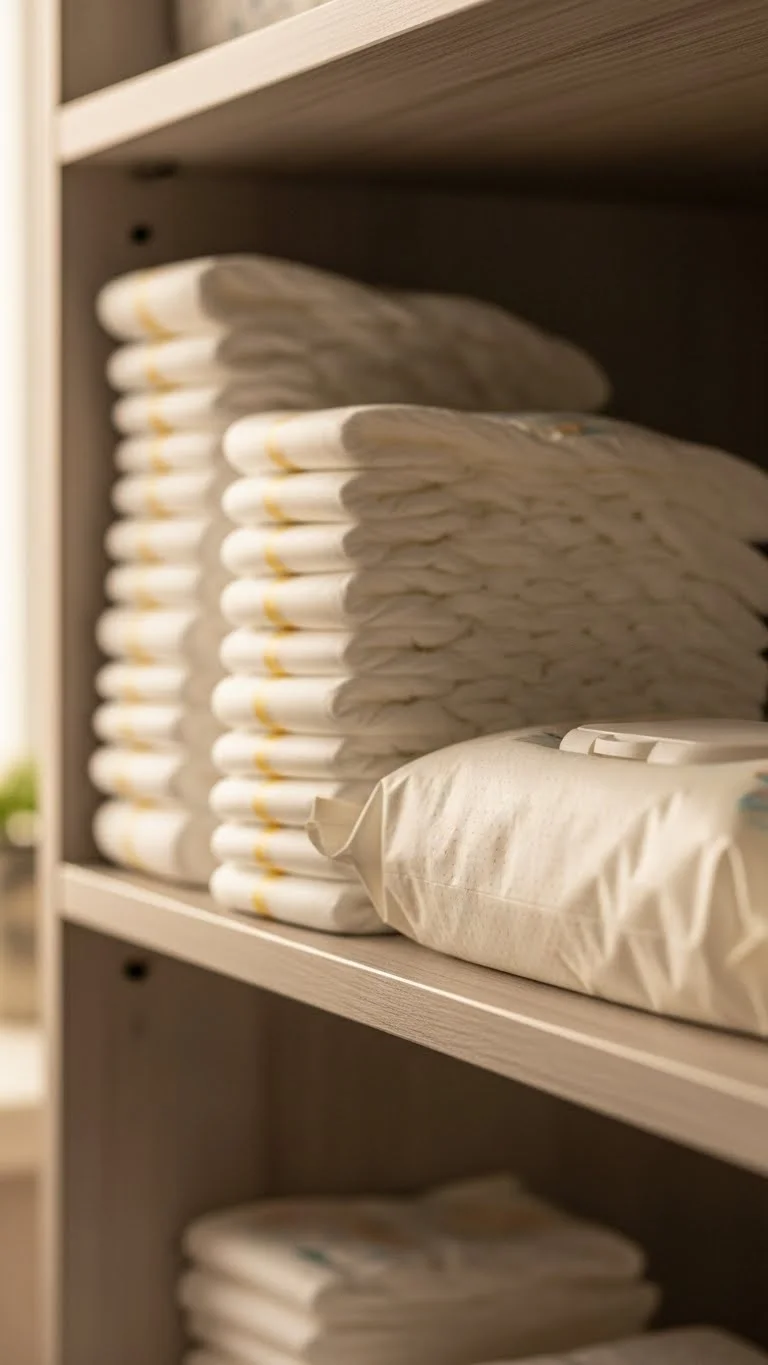
When you’re tired, digging through drawers and cabinets can feel exhausting. Keeping baby supplies visible makes everything easier. Open baskets, shelves, or small bins work well. Store diapers, wipes, burp cloths, and creams where you can see them. When items are easy to spot, you don’t have to think—you just reach. This reduces mental effort, which is especially important when your brain is foggy from lack of sleep. Visible supplies also help others help you. When family or friends come over, they can easily find what they need without asking you. This small change saves time, energy, and frustration. The goal isn’t a perfect home—it’s a functional one. Your space should support you, not stress you out.
- Step Outside Daily

Even a few minutes of fresh air can change your mood. When you’ve been inside all day, everything can start to feel heavy. Stepping outside—whether it’s onto a balcony, porch, or sidewalk—gives your mind a break. Natural light helps regulate your body clock, which can support better sleep over time. You don’t need a long walk. Five minutes counts. Stand in the sun. Breathe. Let your eyes focus on something far away. If you feel comfortable, take your baby with you. A short stroll can be calming for both of you. Nature has a quiet way of reminding us that life continues, even when things feel overwhelming. These small outdoor moments can become a gentle reset button.
- Keep a Simple Log

In the beginning, everything blends together—feeds, naps, diaper changes, wake-ups. Keeping a simple log can help you feel more organized and less confused. You don’t need a fancy app. A notes app, a piece of paper, or a simple notebook works just fine. Some parents like writing down feeding times or sleep patterns. Others don’t—and that’s okay too. A log can help you notice patterns, which can bring a sense of calm. It can also be useful when talking to doctors or caregivers. But remember: the log is a tool, not a rule. If it adds stress, let it go. You are allowed to choose what supports you.
- Remind Yourself You’re Learning
No one is born knowing how to be a parent. You are learning every single day—about your baby, about yourself, and about this new life. Some days you’ll feel confident. Other days you’ll feel unsure. Both are normal. You will make mistakes. Every parent does. That doesn’t mean you’re failing—it means you’re human. Talk to yourself the way you would talk to a friend: gently, kindly, with patience. You are not behind. You are right where you need to be. Growth takes time. Confidence grows slowly. And one day, you’ll look back and realize how much you’ve learned—without even noticing. The early weeks with a newborn can feel long and fast all at once. Some days will feel gentle. Others will feel heavy. These ideas aren’t about doing more.
Conclusion
The first weeks with a newborn can feel like a mix of wonder, exhaustion, joy, and doubt—all wrapped into long days and even longer nights. Some moments will feel soft and magical. Others may feel heavy and overwhelming. That’s normal. You are not meant to have everything figured out right away. These survival ideas aren’t about doing more or being perfect. They’re about making life a little simpler, a little calmer, and a little kinder to yourself. You don’t need to try all of them. Even one small change can make a hard day feel easier. With time, you will find your rhythm. You will start to understand your baby’s needs more clearly.
