

24 Parenting Books Every Parent Should Read
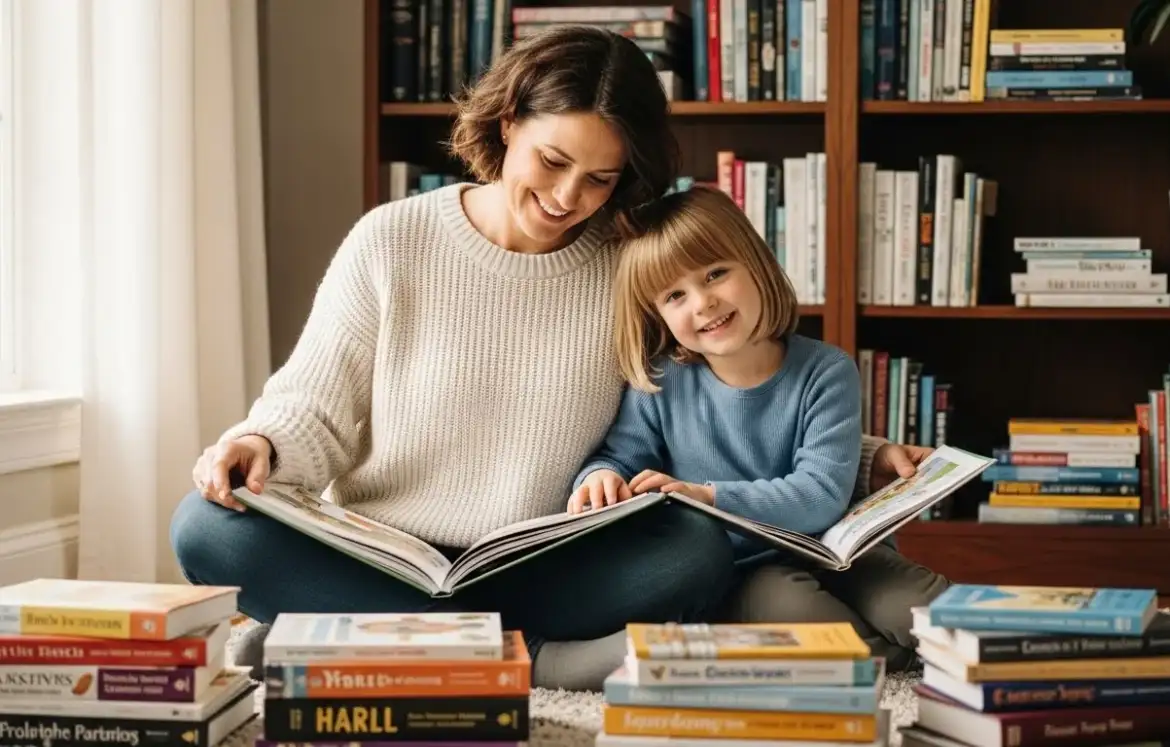
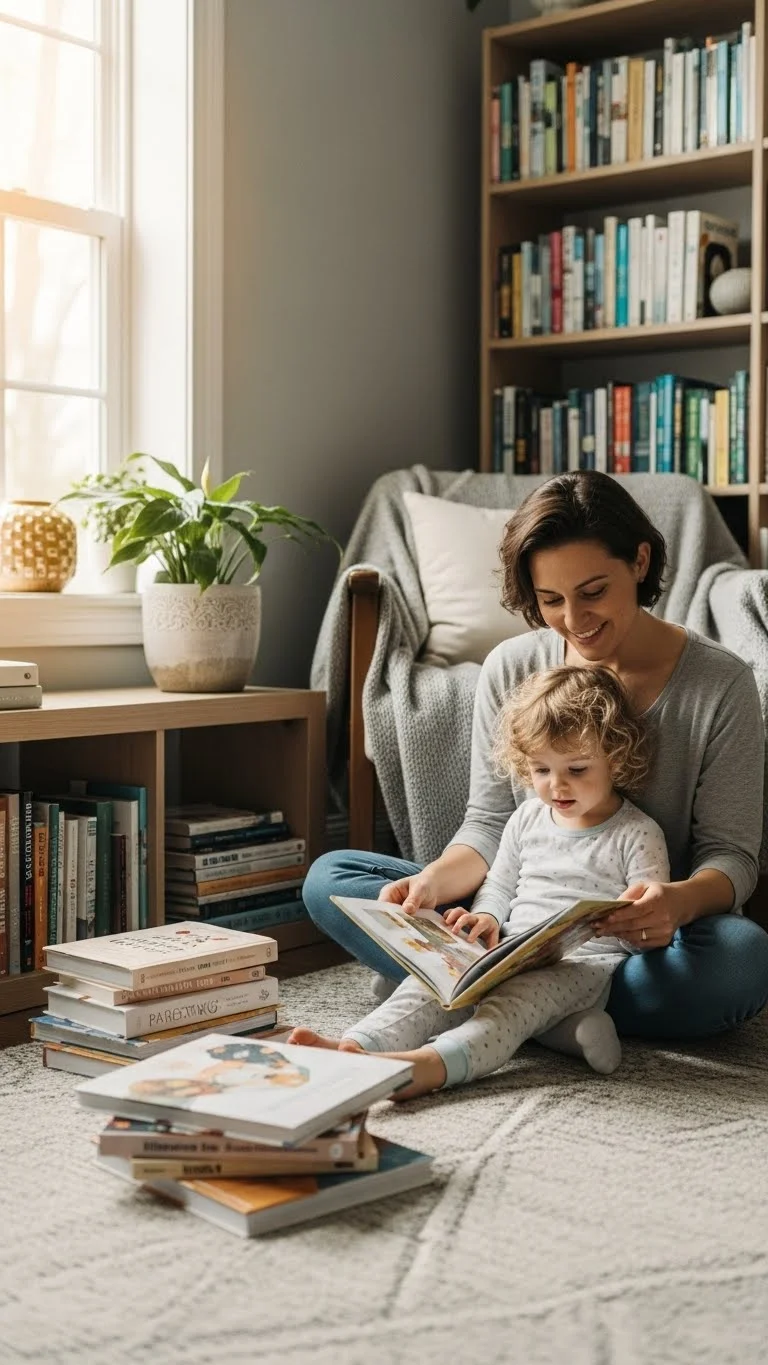
Parenting does not come with a manual. Most parents learn through late nights, small wins, mistakes, and quiet moments of reflection. Books can offer calm guidance when advice from all sides feels noisy. The right parenting book feels like a steady voice, not a lecture. This list focuses on books that speak plainly, respect real-life budgets, and support everyday families. Each pick below shares ideas you can try at home without fancy tools or big changes. You read a few pages. You try one idea. You see what works for your family.
- The Whole-Brain Child by Daniel J. Siegel & Tina Payne Bryson

This book explains how a child’s brain grows using simple examples. It does not talk down to parents. It shows why kids melt down and how to respond without yelling. Short stories make ideas easy to remember. One helpful idea is naming feelings out loud. You can do this while folding laundry or making tea. No charts or tools needed. Budget tip: borrow this book from a library. Read one chapter a week. DIY idea: draw a simple “feelings face” chart on paper. Tape it to the fridge. The tone stays calm and realistic. It reminds parents that kids are learning, not plotting. You learn how to pause before reacting. That pause often changes the whole moment. This book works well for toddlers through early teens. You do not need to read it cover to cover. Pick a chapter that fits your current struggle. Try one idea. See how your child responds.
- How to Talk So Kids Will Listen & Listen So Kids Will Talk by Adele Faber & Elaine Mazlish

This book focuses on everyday language. The words you choose can soften tense moments. The authors use short dialogues and cartoons to show common mistakes. You may laugh and wince at the same time. Many parents see their own habits here. A simple tip is replacing long lectures with short choices. “Shoes or sandals?” works better than arguing. Budget tip: practice ideas during normal routines like getting dressed. No extra time needed. DIY idea: write a few helpful phrases on sticky notes. Place them where conflicts happen. The book respects parents. It does not push perfection. It shows how listening changes behavior over time. You may not see results in one day. Small shifts add up. This book fits all ages and works well for siblings too.
- Parenting with Love and Logic by Charles Fay & Foster Cline
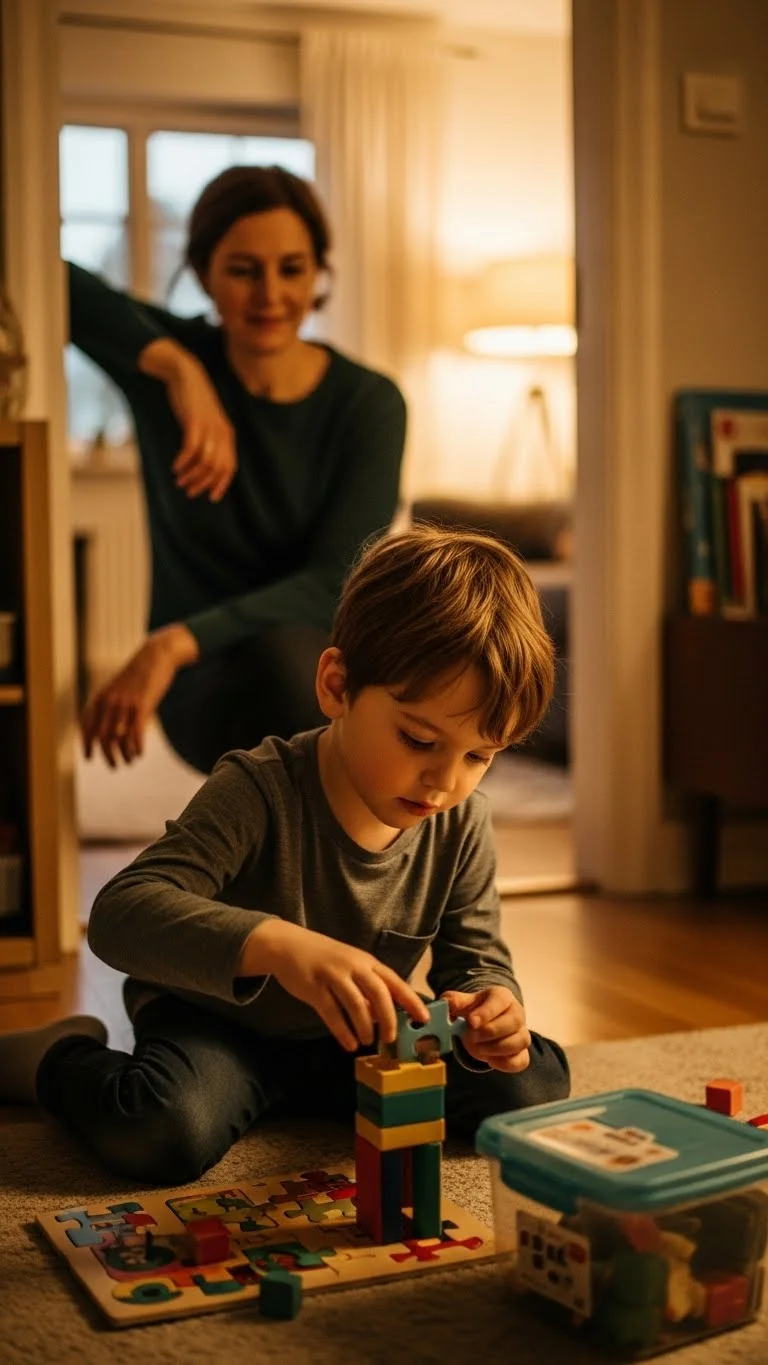
This book teaches parents to step back a little. Kids learn by making small mistakes. The authors focus on empathy paired with clear limits. You learn how to stay calm when a child forgets homework or breaks a rule.ne idea is letting consequences do the teaching. No shouting required. Budget tip: this style saves energy and stress over time. DIY idea: practice short, calm responses in front of a mirror.he tone stays practical. It fits busy families. You do not need special tools. You just need patience and consistency. Many parents find this approach reduces power struggles at home.
- No-Drama Discipline by Daniel J. Siegel & Tina Payne Bryson

This book reframes discipline as teaching, not punishment. It explains why kids lose control and how adults can guide them back. The language stays simple. A helpful idea is connecting before correcting. Sit close. Speak softly. Budget tip: calming down costs nothing but time. DIY idea: create a quiet corner with a pillow and blanket at home. The book works well during hard phases. It supports parents who want firm limits without fear-based tactics. You can read a few pages after a long day and still follow along.
- Simplicity Parenting by Kim John Payne
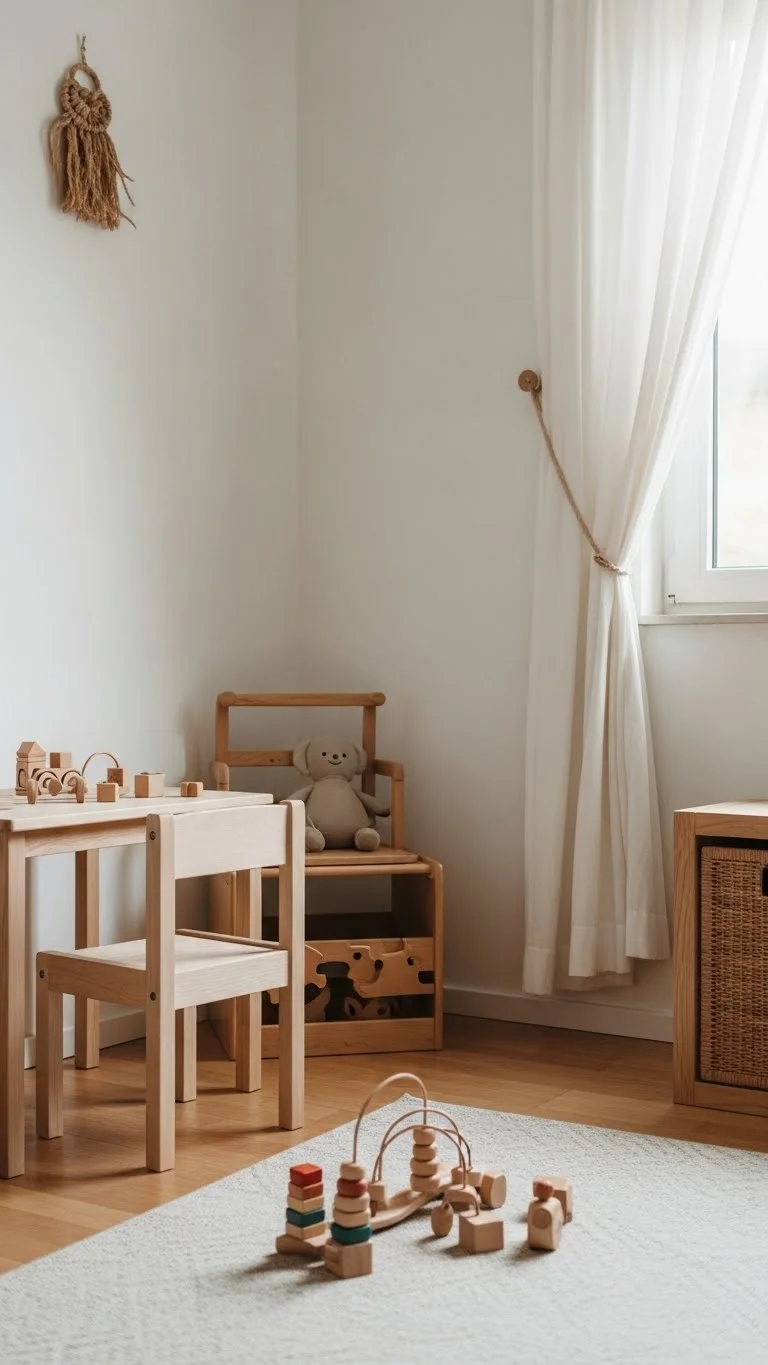
This book encourages fewer toys, fewer schedules, and calmer homes. The ideas feel gentle and realistic. You learn how clutter affects behavior. Start small. Remove a few toys. Watch how play changes. Budget tip: fewer toys means less spending. DIY idea: rotate toys using boxes you already own. The book supports slower family rhythms. You choose what fits your life. There is no pressure to change everything at once.
- The Montessori Toddler by Simone Davies

This book focuses on independence from an early age. It shares clear examples for daily routines. The writing stays friendly and clear. You learn how to involve toddlers in simple tasks.
Budget tip: use real household items instead of buying toys. DIY idea: set up a low shelf using boxes or stools. Parents appreciate the calm tone. The ideas fit small homes and busy days.
- Peaceful Parent, Happy Kids by Dr. Laura Markham

This book speaks directly to parents who feel overwhelmed by daily power struggles. The main idea is simple: a calm parent creates a calmer child. Dr. Laura Markham explains how emotional connection shapes behavior over time. The writing feels supportive, not judgmental. You learn how to pause before reacting, even during tantrums or defiance. One helpful practice is repairing after mistakes. Saying sorry to your child models respect and honesty. That alone can soften many tough moments. This book works well for busy families. You can apply ideas during bedtime, meals, or school prep. No special tools are required. Budget-wise, the focus stays on time and attention, not purchases. A simple DIY habit is setting aside ten minutes a day for focused connection. No phone. No distractions. Just presence. Small changes like these often bring noticeable shifts in mood and cooperation.
- Raising Good Humans by Hunter Clarke-Fields

This book blends mindfulness with real-life parenting challenges. It helps parents notice their own stress before responding to a child. The author keeps explanations short and practical. You are not asked to sit for long meditations. Most exercises take less than a minute. Simple breathing pauses can change how you respond during conflict. The book also talks about breaking reactive habits passed down through families. That reflection feels honest and grounded. Budget-friendly ideas include practicing calm breathing while waiting in line or before bedtime. No apps or tools needed. A simple DIY idea is creating a shared “pause moment” with your child. Take three slow breaths together before addressing a problem. Over time, this shared habit builds patience and trust. The book fits parents who want calmer days without adding more tasks to their schedule.
- The Conscious Parent by Dr. Shefali

This book shifts the focus from fixing children to understanding ourselves. Dr. Shefali encourages parents to notice how their emotions shape daily interactions. The tone feels reflective and direct. You are guided to observe reactions instead of judging them. That awareness alone can change many moments at home. The book invites parents to slow down and listen more deeply. It works well for those open to self-growth. Budget-wise, the practices rely on thought and reflection, not spending. A simple DIY habit is journaling one short thought after a hard parenting moment. You might write what you felt and why. Over time, patterns become clearer. The book does not promise quick fixes. It offers perspective that grows with practice. Many parents find it helpful during times of frustration or self-doubt.
- Hunt, Gather, Parent by Michaeleen Doucleff
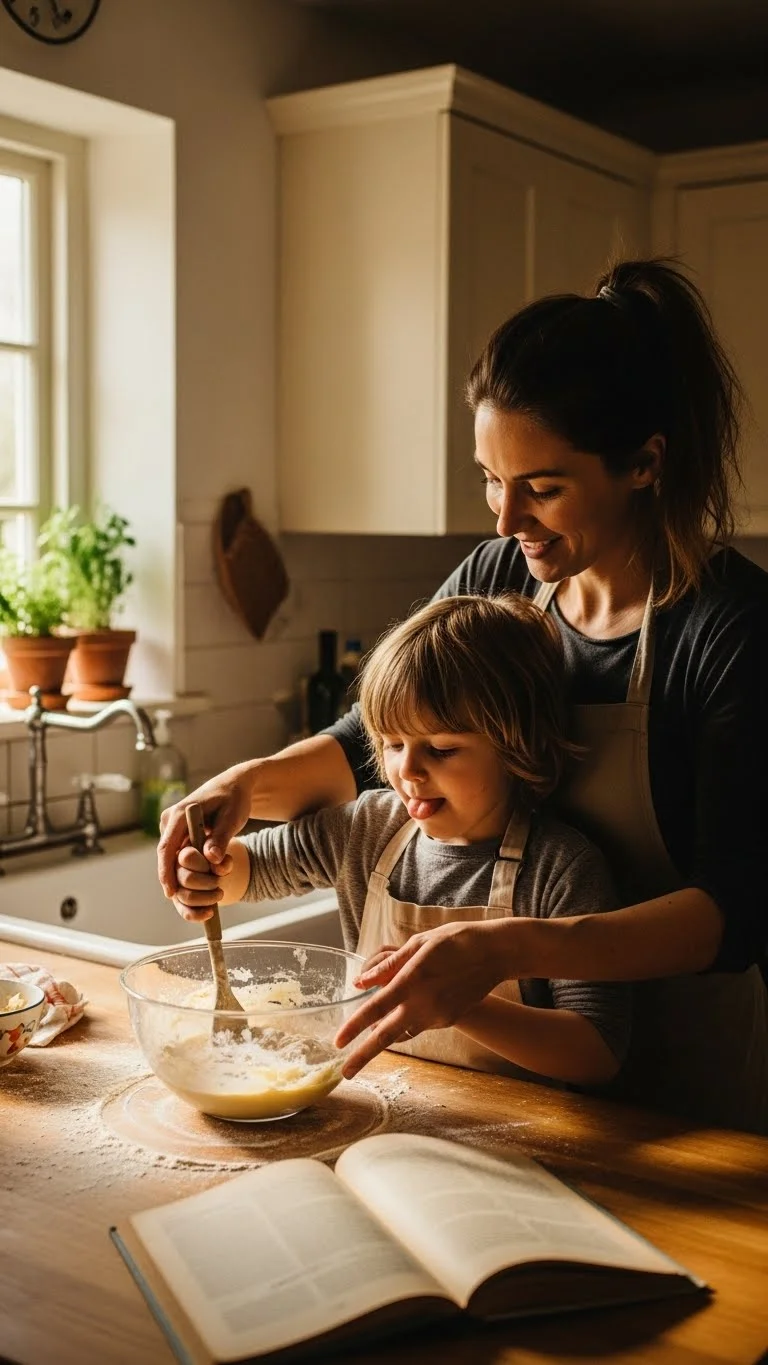
This book shares parenting lessons from families around the world. The stories feel engaging and easy to follow. The main theme is cooperation. Children often behave better when they feel included in daily life. Instead of constant correction, the book highlights calm modeling. Parents are encouraged to involve kids in chores without pressure or rewards. Budget-friendly ideas include inviting children to help cook, clean, or carry groceries. These tasks already exist, so no extra cost is involved. A DIY idea is choosing one shared task each day. Work side by side without rushing. Praise effort quietly. The book helps parents step back and trust children’s abilities. It suits families who want more teamwork and less arguing at home.
- Positive Discipline by Jane Nelsen
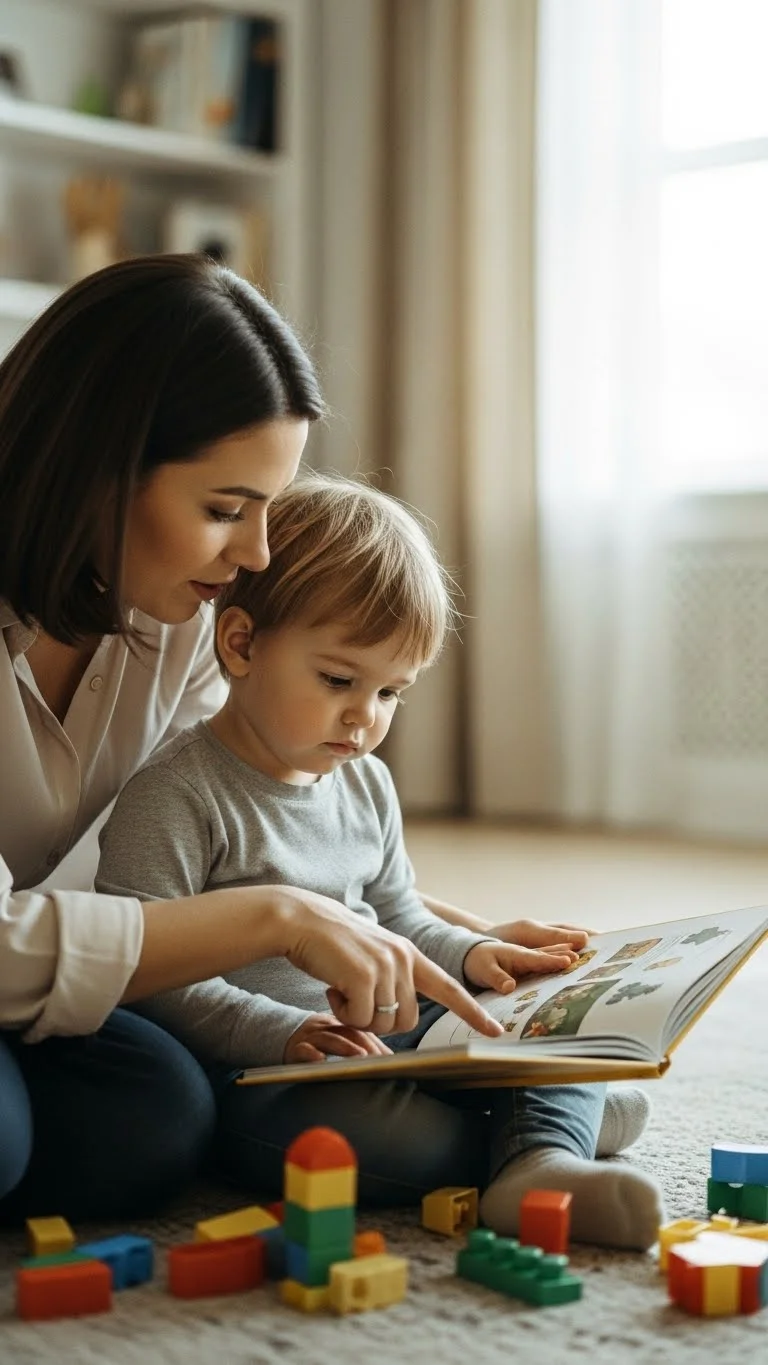
This book focuses on kindness paired with clear limits. It explains how respect guides behavior better than punishment. The language stays straightforward and practical. You learn how to respond firmly without shaming. Mistakes are treated as learning moments, not failures. One key idea is holding family meetings. These meetings give children a voice and reduce repeated conflicts. Budget-wise, this approach saves money by avoiding reward charts and constant consequences. A simple DIY idea is setting a weekly family check-in. Sit together for ten minutes. Talk about what worked and what didn’t. Keep it calm and short. The book fits families with children of different ages. Many parents appreciate how the advice supports long-term cooperation rather than quick control.
- Bringing Up Bébé by Pamela Druckerman

This book explores French parenting habits through everyday examples. The tone feels curious and observational. It highlights patience, clear boundaries, and calm responses. Parents may rethink how they handle sleep, meals, and behavior in public spaces. The book suggests that children can learn to wait and adapt when expectations are clear. Budget-friendly ideas include setting consistent routines that reduce daily stress. A DIY habit is establishing regular meal times where everyone sits together. No distractions. No pressure. The stories encourage parents to trust structure without harshness. This book works well for those interested in cultural perspectives. It does not demand major changes, just thoughtful shifts that fit into normal family life.
- The Gifts of Imperfect Parenting by Brené Brown

This book speaks to parents who feel pressure to do everything right. Brené Brown focuses on courage, empathy, and self-acceptance. The writing feels honest and comforting. It reminds parents that children learn more from how we live than what we say. The book encourages showing up as real humans. Apologizing, admitting mistakes, and sharing feelings build trust. Budget-wise, the advice centers on conversations, not purchases. A simple DIY idea is sharing one honest feeling during dinner each day. This models emotional openness. The book fits parents who value connection over control. It helps release guilt and focus on meaningful moments. Many readers find it reassuring during seasons of stress or self-doubt.
- The Explosive Child by Ross W. Greene

This book helps parents understand intense behavior in a calmer way. Instead of labeling children as difficult, it explains that some kids struggle with skills like flexibility and frustration tolerance. The writing stays clear and practical. You learn how to work with your child instead of against them. The focus is on solving problems together during calm moments, not during emotional outbursts. One helpful idea is having short, planned conversations about recurring issues. These talks happen when everyone is relaxed. Budget-wise, this approach relies on time and patience, not tools or rewards. A simple DIY step is writing down one repeating problem and discussing it later with your child. Listen more than you talk. This book fits parents dealing with frequent meltdowns or strong reactions. It offers structure without punishment and helps reduce daily tension at home.
- Parenting from the Inside Out by Daniel J. Siegel & Mary Hartzell

This book encourages parents to reflect on their own childhood experiences. It explains how past patterns often show up in present reactions. The tone feels thoughtful and supportive. You are guided to notice emotions before responding to your child. That awareness often leads to calmer choices. The book uses simple questions rather than instructions. You are not pushed to change everything at once. Budget-friendly ideas include quiet reflection or writing short notes about emotional triggers. A DIY habit is answering one reflection question each week. You might do this during a quiet evening or early morning. This book works well for parents who want deeper understanding, not quick fixes. It supports long-term growth and helps parents respond with more patience and clarity during stressful moments.
- The Danish Way of Parenting by Jessica Joelle Alexander

This book shares everyday parenting values from Denmark. It highlights play, honesty, togetherness, and realistic expectations. The stories feel warm and relatable. Children are given space to explore and make small mistakes. Parents act as steady guides rather than constant directors. Free play is a big theme. Kids benefit from unstructured time without constant adult input. Budget-wise, this approach reduces spending on activities and toys. A simple DIY idea is setting aside daily outdoor time, even if it’s just a short walk. Family routines are also emphasized. Eating together and talking openly builds trust. The book suits families who want calmer days and stronger bonds. The ideas feel practical and easy to adapt to different cultures and home setups.
- Unconditional Parenting by Alfie Kohn

This book challenges reward-and-punishment systems. It focuses on building strong relationships through understanding and respect. The writing invites parents to reflect rather than follow rules. Children are seen as people with thoughts and feelings, not behavior problems to fix. The book encourages parents to ask why a behavior is happening. Listening becomes more important than controlling outcomes. Budget-friendly ideas include open conversations instead of sticker charts or prizes. A DIY habit is involving children in decision-making when possible. Ask for their input during family discussions. This builds cooperation over time. The book works well for parents who value connection and long-term trust. It may change how you think about discipline and motivation at home.
- The Gentle Parenting Book by Sarah Ockwell-Smith

This book supports calm and respectful parenting. It explains child behavior in simple language without blame. The tone feels reassuring, especially for parents who feel unsure or judged. You learn what behavior is normal at different ages. That knowledge alone reduces frustration. The book encourages empathy and realistic expectations. Children are guided, not controlled. Budget-wise, the focus stays on routines and understanding, not products. A simple DIY idea is creating predictable daily rhythms, especially around sleep and meals. These routines help children feel secure. The advice fits families with young children and toddlers. Parents often appreciate how the book reduces pressure and supports confidence during challenging phases.
- Raising an Emotionally Intelligent Child by John Gottman
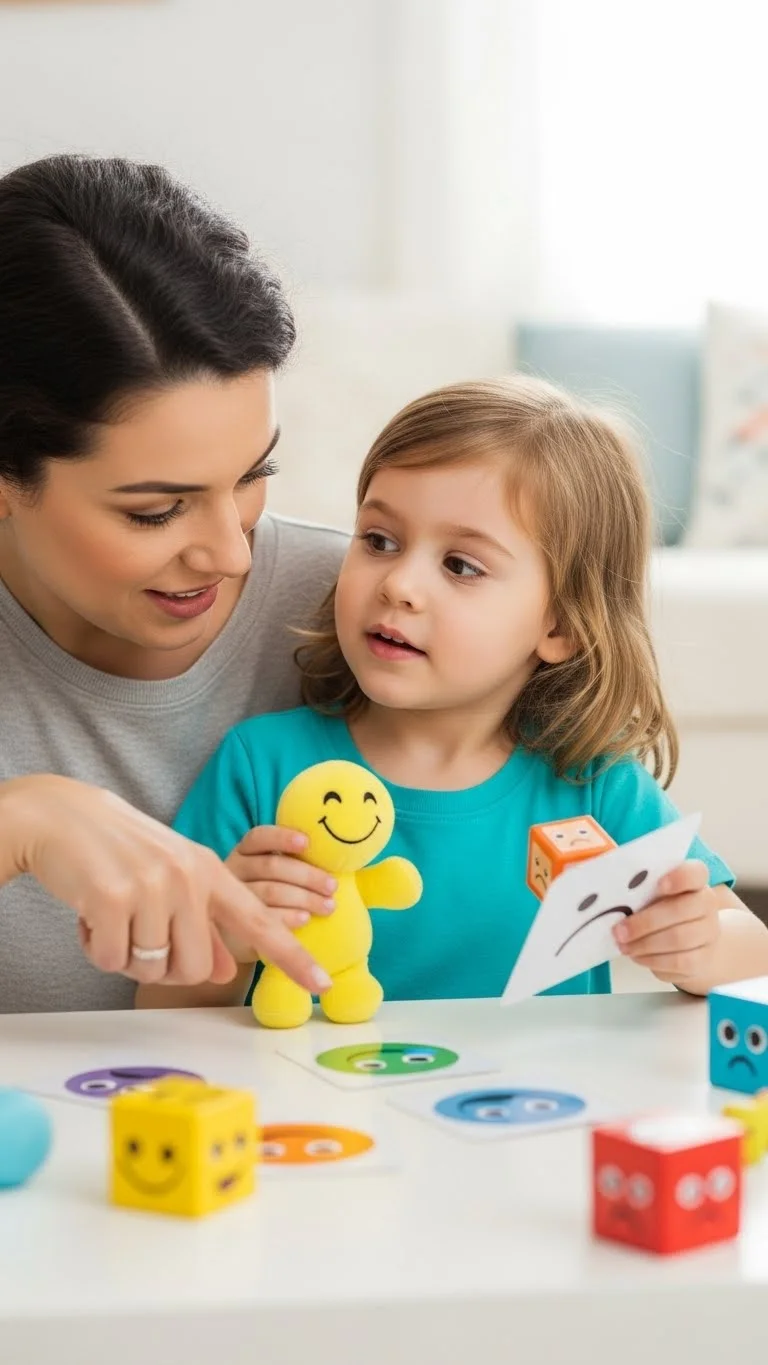
This book teaches parents how to support children’s emotions instead of dismissing them. The main idea is emotion coaching. Parents learn to notice feelings, name them, and guide children through them. The writing stays clear and example-based. Everyday moments become learning opportunities. A child’s sadness or anger is treated as a chance to connect. Budget-wise, this method costs nothing but attention. A simple DIY practice is naming emotions during story time or play. “That character looks upset” opens discussion naturally. Over time, children feel more understood. This book suits parents who want better communication and trust. It supports emotional awareness that helps children long after childhood.
- The Power of Showing Up by Daniel J. Siegel & Tina Payne Bryson

This book focuses on consistent presence rather than perfect parenting. Children benefit most from adults who are emotionally available. The authors explain this idea in a clear and relatable way. You learn how small, repeated moments of connection shape security. The book highlights four key qualities of presence, shared through simple examples. Budget-friendly ideas include shared meals, listening without interruption, and keeping routines steady. A DIY habit is setting aside one daily check-in moment with your child. Even five minutes counts. The book works for all ages. It reminds parents that showing up regularly matters more than doing everything right. This message feels grounding during busy or stressful seasons.
- Siblings Without Rivalry by Adele Faber & Elaine Mazlish

This book speaks to families dealing with constant sibling arguments. It explains why rivalry is common and how parents can reduce daily tension without picking sides. The examples feel familiar and practical. You learn how simple language choices can calm heated moments. Instead of comparing children, the book shows how to acknowledge feelings without approving hurtful behavior. Parents are guided to listen first and react less. That shift alone often lowers conflict. Budget-friendly ideas include solving problems through conversation instead of buying duplicate toys. A simple DIY habit is spending short one-on-one time with each child during the week. Even ten minutes helps children feel seen. The book also shares tools for handling fights fairly. It supports cooperation while respecting each child’s personality. Many parents find this book helpful for restoring peace and balance at home.
- The Connected Child by Karyn Purvis

This book focuses on building trust and safety, especially for children who have faced early challenges. The tone feels caring and steady. It explains how connection shapes behavior and emotional security. Parents learn how to respond with patience during difficult moments. The book emphasizes routines, empathy, and predictability. These small actions help children feel safe. Budget-wise, the guidance relies on consistency rather than tools or programs. A simple DIY idea is creating daily rituals like bedtime talks or shared meals. These moments build connection over time. The book also helps parents understand behavior as communication. That shift changes how discipline is handled. While the book often supports adoptive or foster families, many ideas apply to all homes. It encourages compassion and steady guidance through everyday interactions.
- How to Raise an Adult by Julie Lythcott-Haims

This book encourages parents to step back and allow children to grow independence. It addresses overprotection and constant supervision in modern parenting. The writing feels direct and honest. Parents are invited to reflect on how much responsibility they allow their children to handle. The book shows how small freedoms build confidence. Budget-friendly ideas include letting children manage simple tasks at home. A DIY habit is assigning age-appropriate chores and allowing mistakes. These moments teach responsibility better than lectures. The book fits parents of older children and teens, but younger families can apply the ideas early. It supports long-term growth rather than short-term comfort. Many parents find it helpful when preparing children for school, work, and adult life.
- Parenting Matters by Jan Faull

This book covers everyday behavior challenges in a clear and practical way. It addresses common issues like tantrums, defiance, and attention-seeking. The tone stays respectful and realistic. Parents are given tools that fit real homes and busy schedules. The advice focuses on consistency and clear expectations. Children respond better when rules are steady. Budget-wise, the book promotes simple strategies instead of rewards or punishments. A DIY idea is agreeing on a few clear family rules and reviewing them together. This shared understanding reduces confusion and conflict. The book works well for parents who want straightforward guidance without complicated systems. It supports confidence in decision-making and helps parents respond calmly during stressful moments.
Conclusion
Parenting books can’t solve every problem, but they can change how you see moments that once felt heavy. Each book on this list offers simple ideas you can try at home, often using what you already have. Pick one that speaks to you and read a few pages at a time. Small shifts can shape calmer days, better talks, and stronger bonds. The right book at the right time can remind you that growth happens step by step, and you’re not walking this path alone.
