

20 Tips for Supporting Introverted Kids with Confidence
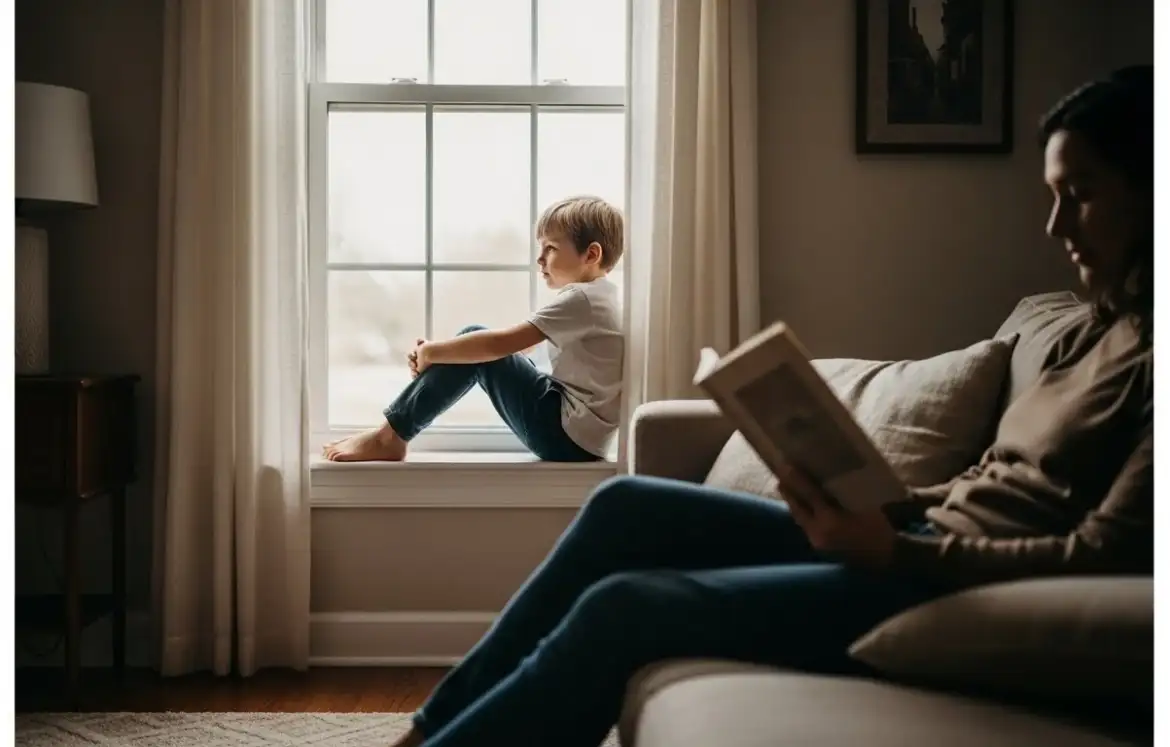
Introverted kids often feel things deeply and think before they speak. Many parents search for ways to support them without forcing loud behaviour or constant social activity. This guide focuses on everyday actions that respect quiet personalities while helping children feel steady and self-assured. These tips use simple routines, low-cost ideas, and gentle habits that fit real family life. Each section offers practical ways to help introverted kids feel safe expressing themselves at home, school, and with friends—without pressure or labels.
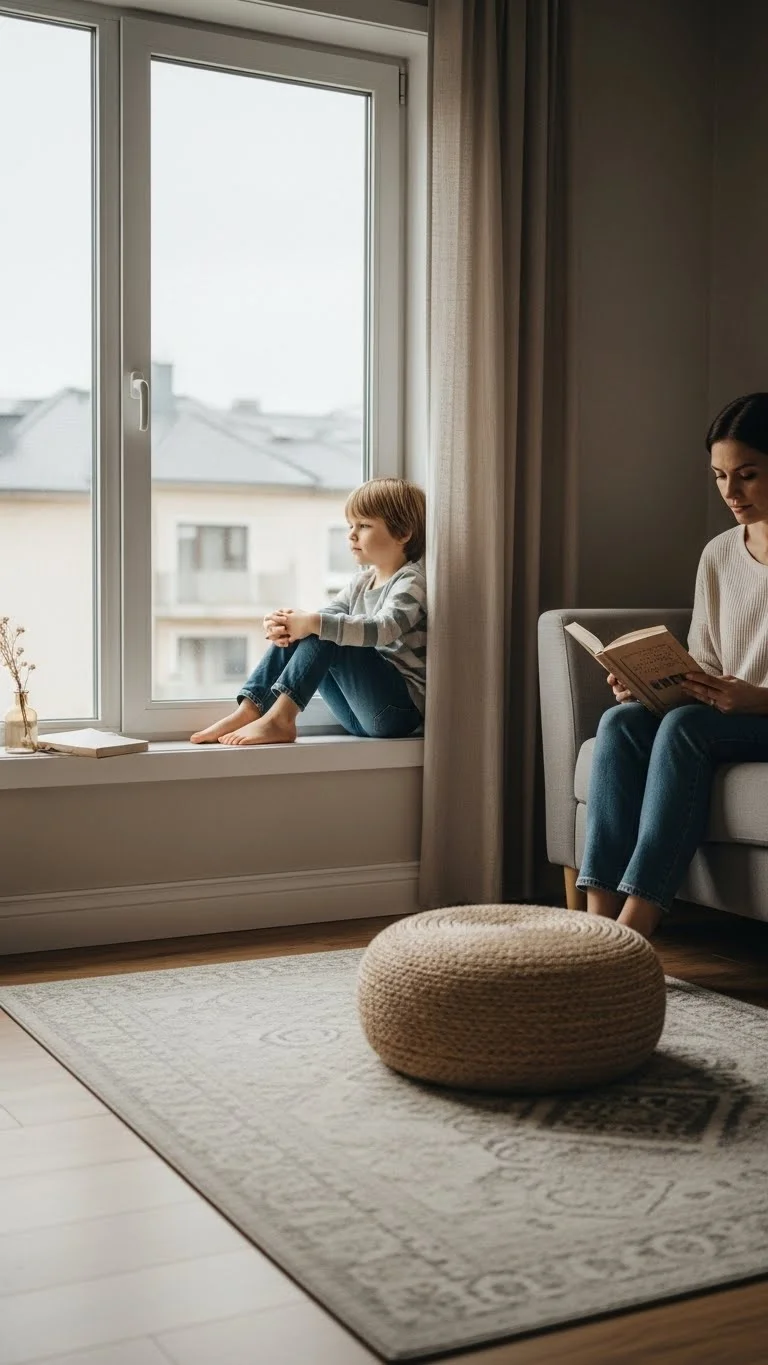
1. Honour Quiet Time at Home
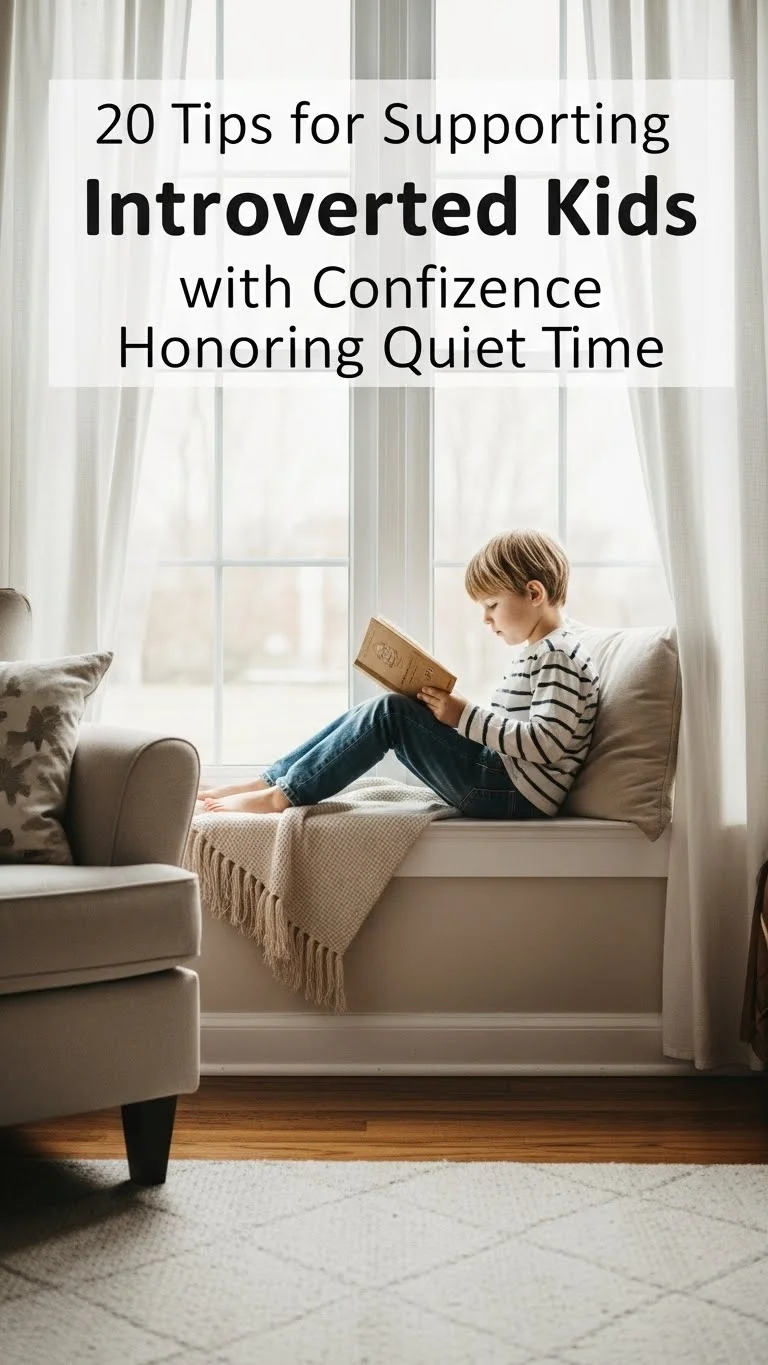
Quiet time is not avoidance. For many introverted kids, it is how they recharge and process the day. Treat these moments as normal and healthy. Build short, quiet periods into daily life, especially after school. Even fifteen minutes can help. This does not require special tools or extra space. A pillow on the floor, a chair near a window, or a bed with a blanket works well. Let your child choose how they spend this time. Reading, drawing, or simply sitting is enough. Avoid asking many questions right away. Social environments can feel tiring. Silence paired with a snack often works better than conversation. When kids feel rested, they usually share on their own terms. If other family members are louder, explain that quiet time is part of family respect. This teaches patience and empathy across the household.
2. Allow Slow Social Warm-Ups
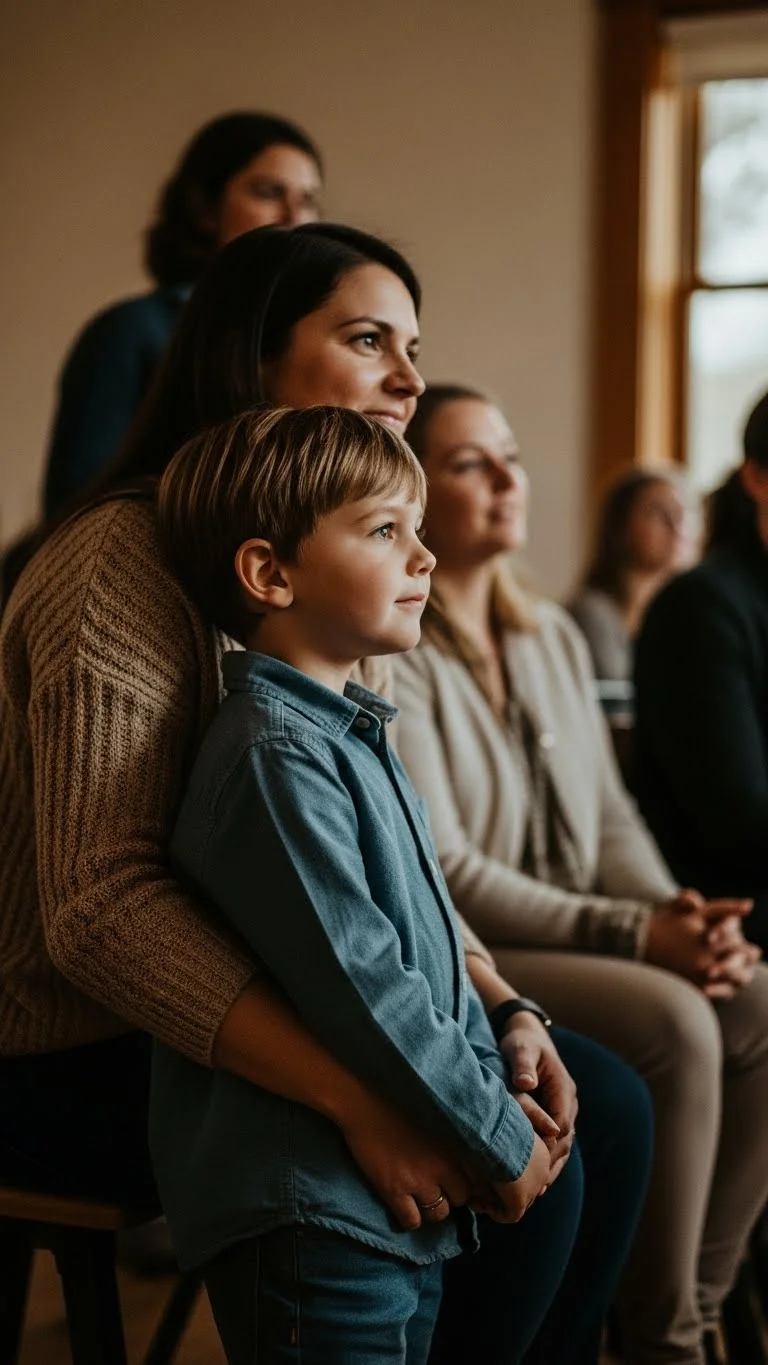
Many introverted kids prefer to observe before joining. This pause shows awareness, not weakness. Give them time without pressure. Standing nearby often provides enough comfort. When attending events, arriving early helps. Fewer people feel easier to manage. Simple tasks like handing out plates or helping set up chairs give kids a reason to be present without forced interaction. For playdates, start small. One child at home is often better than a group in a busy place. Keep visits short so they end on a positive note. A budget-friendly habit is planning early exits. Knowing they can leave reduces stress. Praise effort later and in private. Saying “I noticed you stayed nearby and watched” feels supportive without drawing attention.
3. Support Comfortable Self-Expression
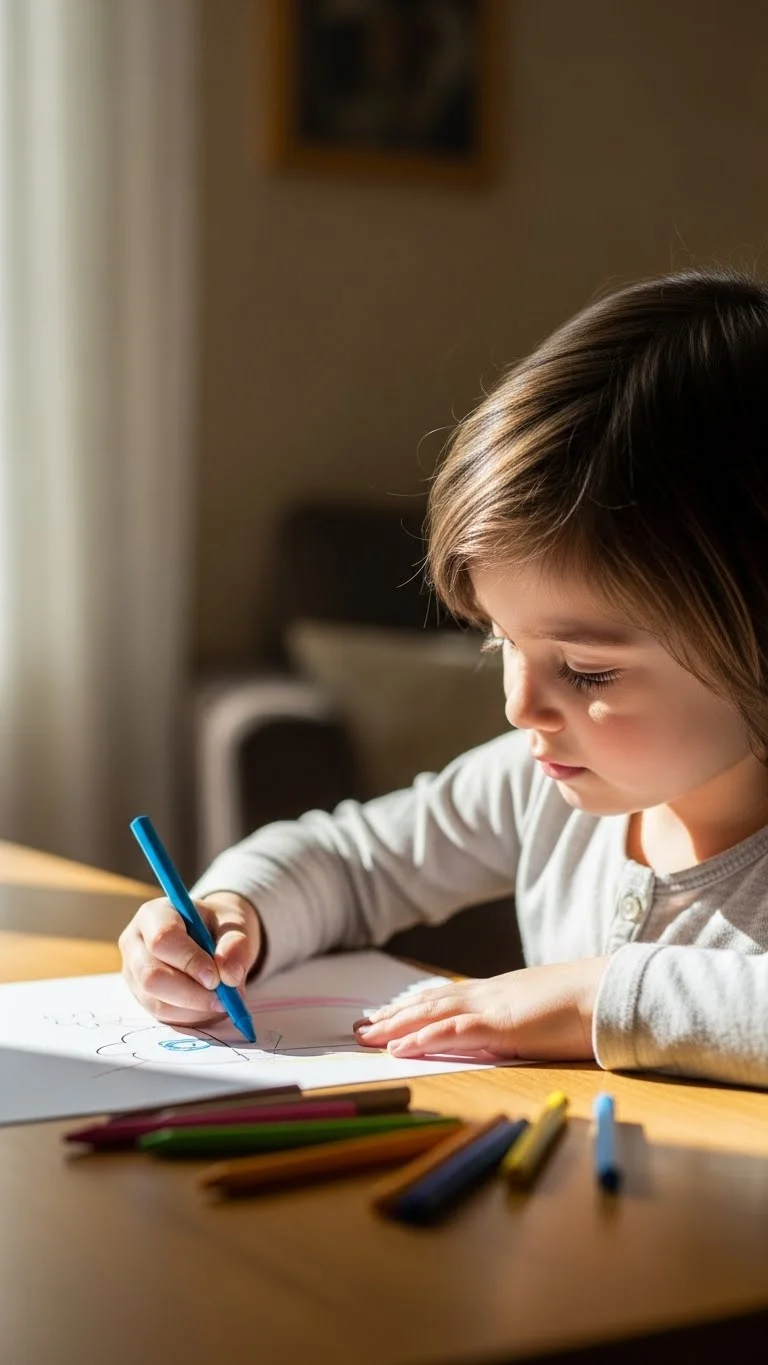
Introverted kids often share thoughts through actions rather than speech. Art, writing, or quiet play can say more than words. Keep simple tools nearby. Paper, pencils, and crayons from a local store work just fine. Invite expression gently. Try saying, “You can draw how today felt if you want.” Avoid follow-up questions unless they ask. Silence shows respect. Some kids prefer notes instead of talking. Accept that fully. Writing back can feel just as meaningful. Avoid correcting emotions or trying to solve problems right away. A calm “thank you for sharing” goes a long way. DIY idea: Use a shoebox as a feelings box. Kids can place drawings or notes inside. Open it together only when they feel ready.
4. Show Calm Social Examples

Kids learn how to interact by watching adults. Model calm greetings, steady voices, and listening without interruption. Loud or forced enthusiasm is not required. During social moments, show that short exchanges are enough. A smile, a greeting, and a pause teach kids that interaction does not have to last long. Share your own preferences honestly. Saying “I enjoy quiet evenings” helps kids feel understood. It shows that calm choices are normal. If you feel tired after gatherings, say so kindly. This normalises social fatigue and removes shame around it. At home, practice brief conversations through light role-play. Keep it short and relaxed. Two lines are plenty.
5. Avoid Labels and Comparisons
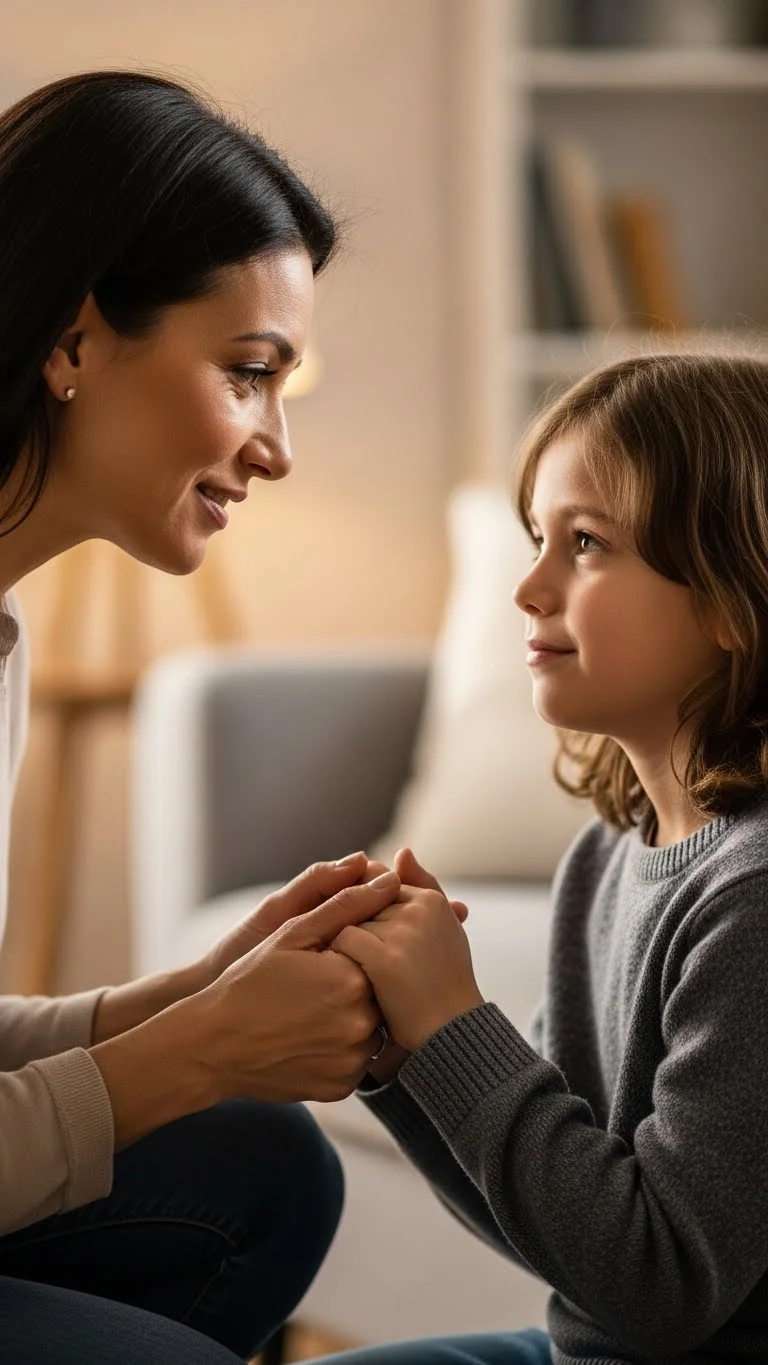
Labels shape how children see themselves. Words like “shy” can stay with kids longer than expected, even when said casually. Avoid using labels in front of others. Instead, describe behaviour without judgment. Saying “You like to think before speaking” feels respectful and accurate. Never compare siblings or classmates. Each child develops social comfort differently. Comparisons often create doubt rather than growth. If someone else labels your child, respond calmly. “They like time to warm up” keeps the tone neutral and protective. At home, focus on actions rather than traits. Praise listening, effort, or kindness instead of personality labels.
6. Build Predictable Daily Routines
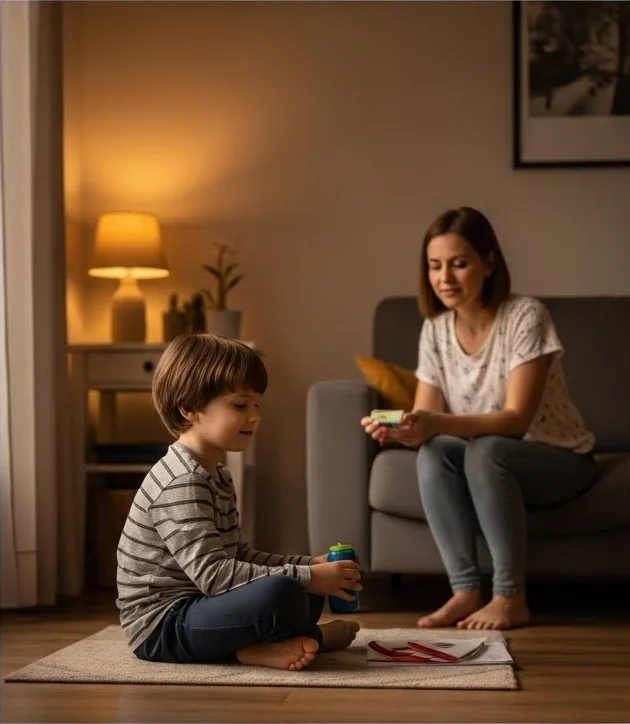
Predictable routines help introverted kids feel steady and calm. Knowing what happens next reduces uncertainty and mental strain. This is especially helpful during mornings, after school, and before bedtime. Start small. Keep wake-up, meals, homework, and bedtime in the same order each day. The routine does not need to be strict. Consistency matters more than perfection. Visual schedules can help. A simple chart made with paper and markers works well. Hang it at eye level. This gives kids a clear picture of their day without constant reminders. Talk through changes ahead of time. Saying “After dinner, we’ll visit family” gives space to prepare emotionally. If plans change, explain briefly and calmly. Avoid rushing through routines. A slower pace helps kids stay regulated.
7. Support One-on-One Connections
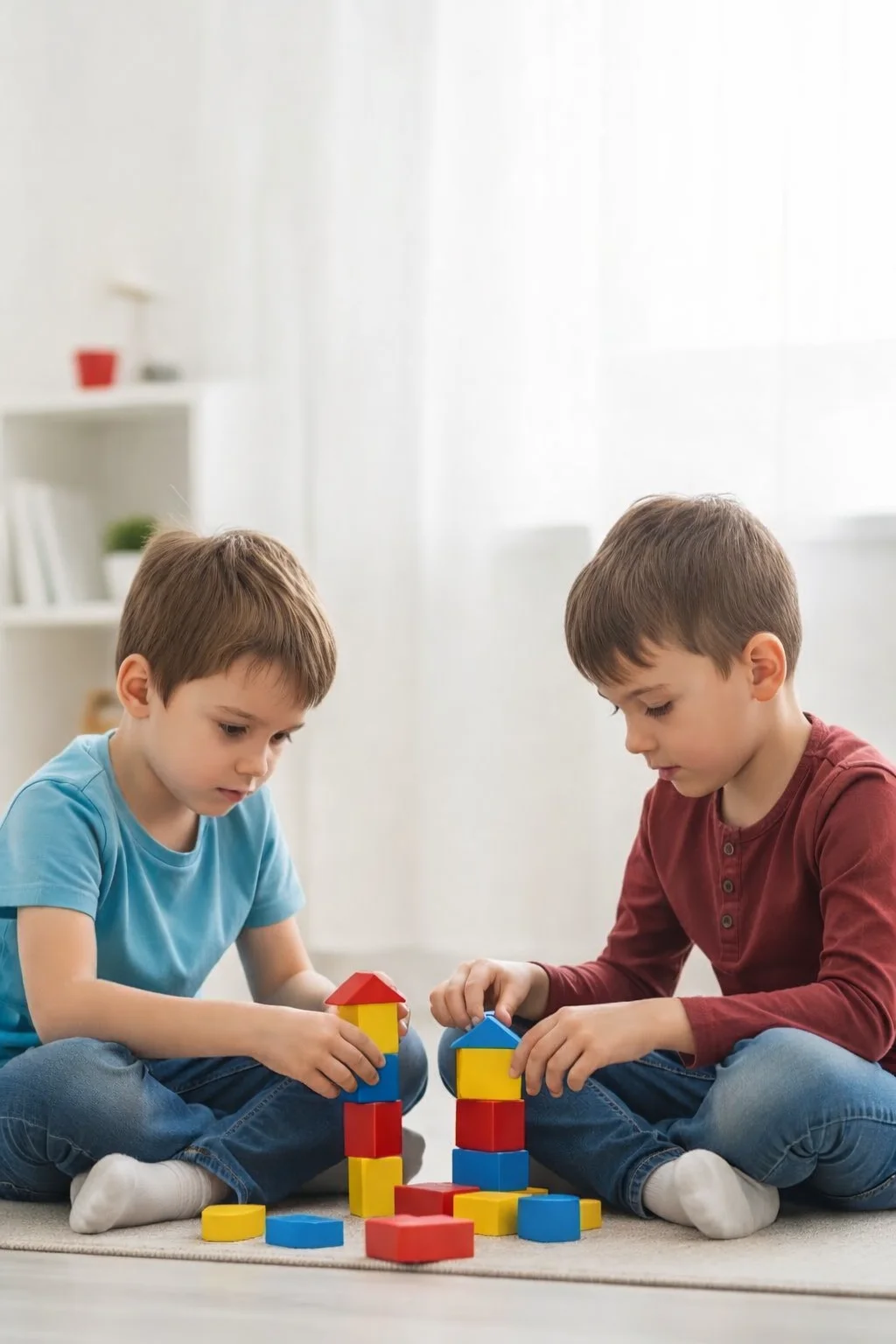
Many introverted kids connect best through one-on-one relationships. These interactions allow deeper conversation and shared focus without the pressure of group dynamics. When planning social time, invite one friend instead of several. Home settings often feel safer than public places. Familiar surroundings reduce stress and help kids stay present. Choose activities that allow side-by-side play. Building toys, drawing, puzzles, or simple crafts work well. These reduce the need for constant talking and help friendships grow naturally. Keep visits short. Thirty to sixty minutes is often enough. Ending on a positive note helps kids feel successful and open to plans. Avoid pushing group activities too early. Some kids prefer depth over numbers, and that is perfectly okay.
8. Teach Clear Personal Boundaries

Introverted kids often feel drained when personal space is ignored. Teaching simple boundary phrases helps them protect their comfort without conflict. Start with short, polite statements. Examples include “I need a break,” or “I want some quiet time.” Practice these at home using gentle role-play. When kids use these phrases, respect them. This shows their voice matters and builds trust. Ignoring boundaries can make kids hesitant to speak up again. Budget-friendly idea: write boundary phrases on small cards. Practice reading them aloud in a calm tone. Keep sessions brief and supportive. Avoid framing boundaries as rude. Explain that personal space is part of self-respect.
9. Encourage Independent Interests
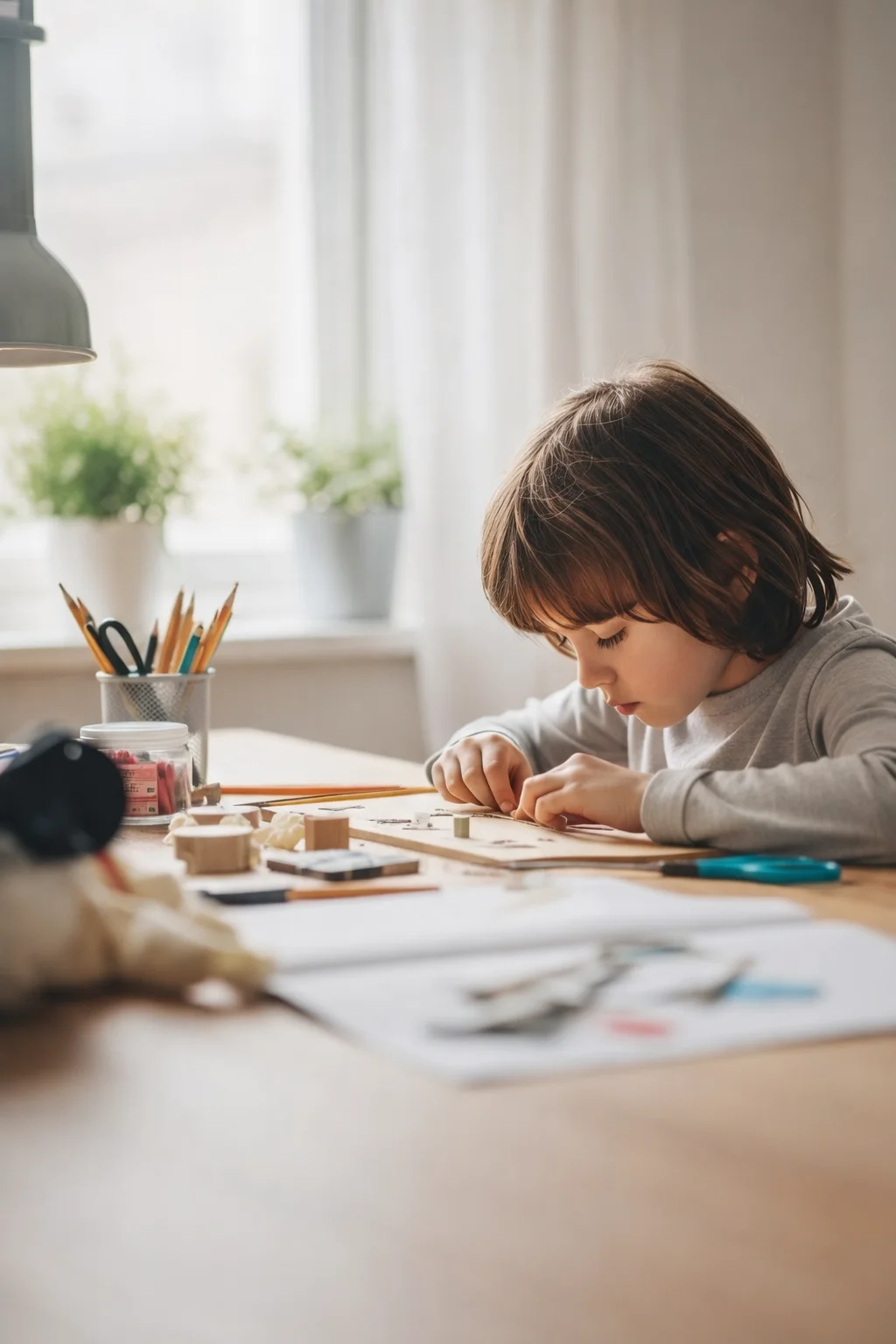
Introverted kids often enjoy activities they can explore alone. These interests give a sense of focus and satisfaction. Support them without taking control. You do not need expensive supplies. Recycled boxes, old magazines, paper, and basic tools work well. Let kids decide how to use them. Ask open-ended questions like “What do you like about this?” Avoid offering suggestions unless requested. Listening shows respect for their ideas. Display finished work at home. A shelf or wall space works fine. Quiet recognition feels meaningful without drawing attention. Avoid comparing hobbies to others’ activities. Each interest holds value.
10. Prepare Gently for New Experiences
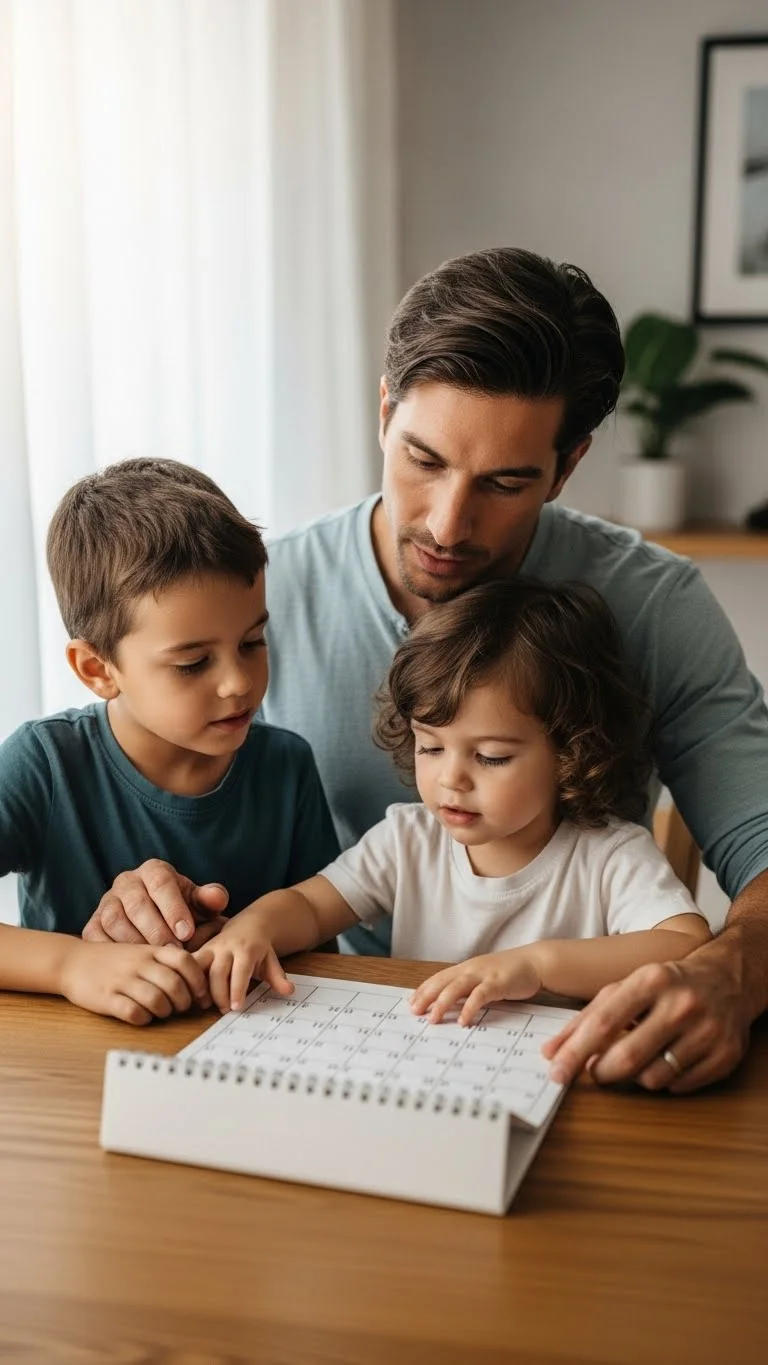
New experiences can feel overwhelming for introverted kids. Gentle preparation helps reduce anxiety and builds comfort. Talk through what might happen using simple language. Avoid long explanations. Short previews are easier to process. If possible, visit new places ahead of time. Walking around briefly helps kids feel familiar with the space. Leaving early is fine. At home, role-play for short moments. Practice greetings or actions without pressure. Keep sessions light and brief. Avoid last-minute surprises. When kids know what to expect, they feel more in control.
11. Give Time for Thoughtful Choices

Introverted kids often pause before making choices. This pause shows reflection, not uncertainty. Allow space for thinking without rushing or filling the silence. Offer limited options. Two choices work best. This keeps decisions manageable and clear. After presenting options, step back and wait. Silence gives kids room to process. Avoid repeating the question too quickly. Extra words can feel like pressure. A calm presence works better than reminders. Let kids change their minds when possible. Flexibility helps them trust their own judgment over time. At home, practice decision-making in low-pressure moments. Choosing clothes, snacks, or activities builds confidence gradually.
12. Treat Emotional Sensitivity with Care

Introverted kids often feel emotions deeply. Treat those feelings with care and patience. Avoid minimizing reactions or rushing to solutions. Listen quietly when your child shares something hard. Nods, eye contact, and calm body language show support. Short responses like “That sounds hard” are often enough. Resist the urge to fix the problem right away. Many kids just want to be heard. Silence can be more helpful than advice. Create small calming habits. A walk, a warm drink, or sitting together can help kids settle. These moments do not cost anything.
13. Recognize Quiet Leadership Moments
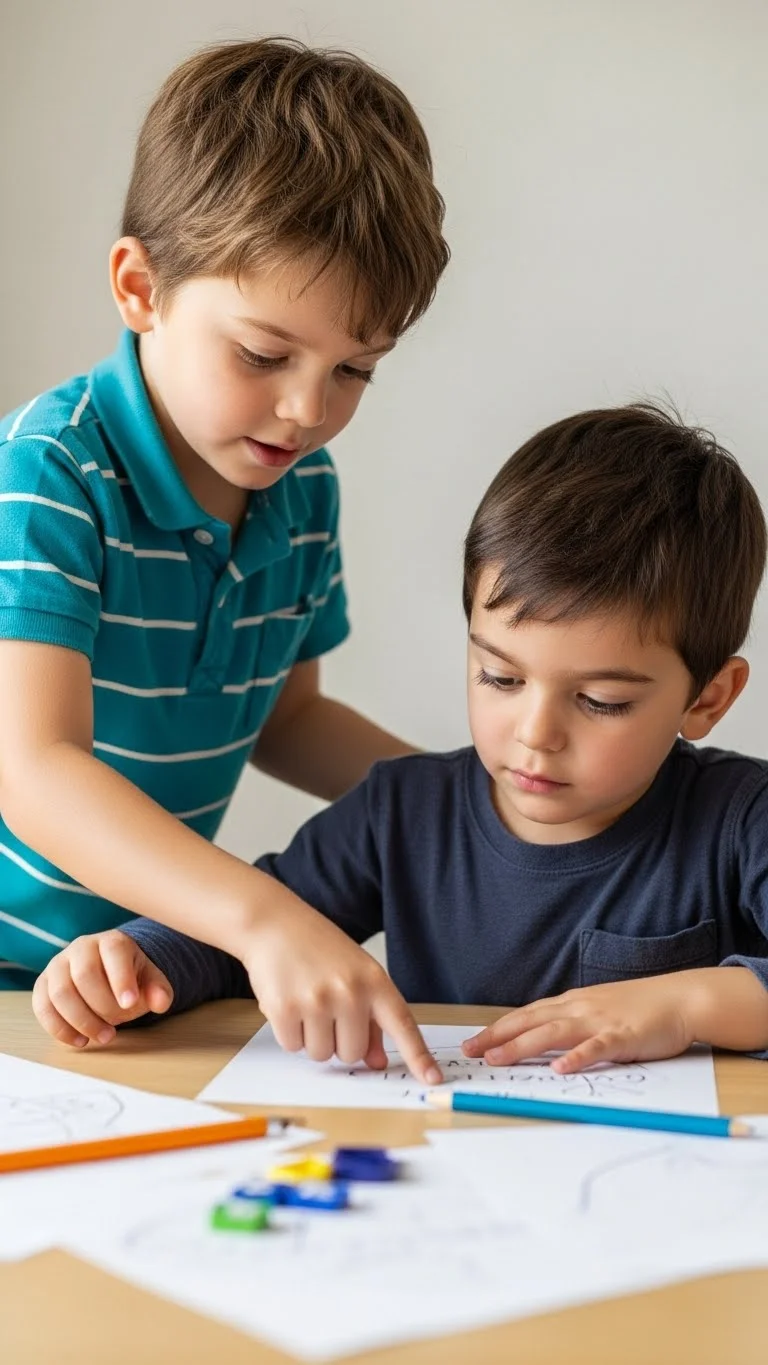
Leadership does not always involve speaking loudly or taking charge publicly. Introverted kids often lead through kindness, patience, and focus. Pay attention to small moments. Helping a classmate, explaining a game, or waiting patiently shows leadership in action. Mention these moments privately later. Quiet acknowledgement feels more comfortable than public praise. Avoid pushing kids into leadership roles they did not choose. Allow leadership to appear naturally through everyday actions. At home, give small responsibilities. Caring for a pet or helping a sibling builds quiet confidence.
14. Support Comfortable School Communication

School can feel overwhelming for introverted kids. Support communication in ways that feel comfortable to them. Instead of direct questions, invite sharing through drawing or writing. A notebook works well. Kids can show their day without speaking. Review schoolwork together calmly. Focus on understanding rather than correction. If concerns come up, reach out to teachers respectfully. Share how your child communicates best. This builds understanding without pressure.
15. Keep Schedules Balanced

Busy schedules can drain introverted kids quickly. Balance activities with rest and free time. Choose fewer commitments. One or two activities are often enough. Leaving space between events helps kids recharge. Protect unstructured time. Free play or quiet rest supports emotional balance. Watch for signs of overload, such as irritability or withdrawal. Adjust schedules when needed. Budget-friendly tip: free time at home often works better than paid activities.
16. Offer Encouragement in Private
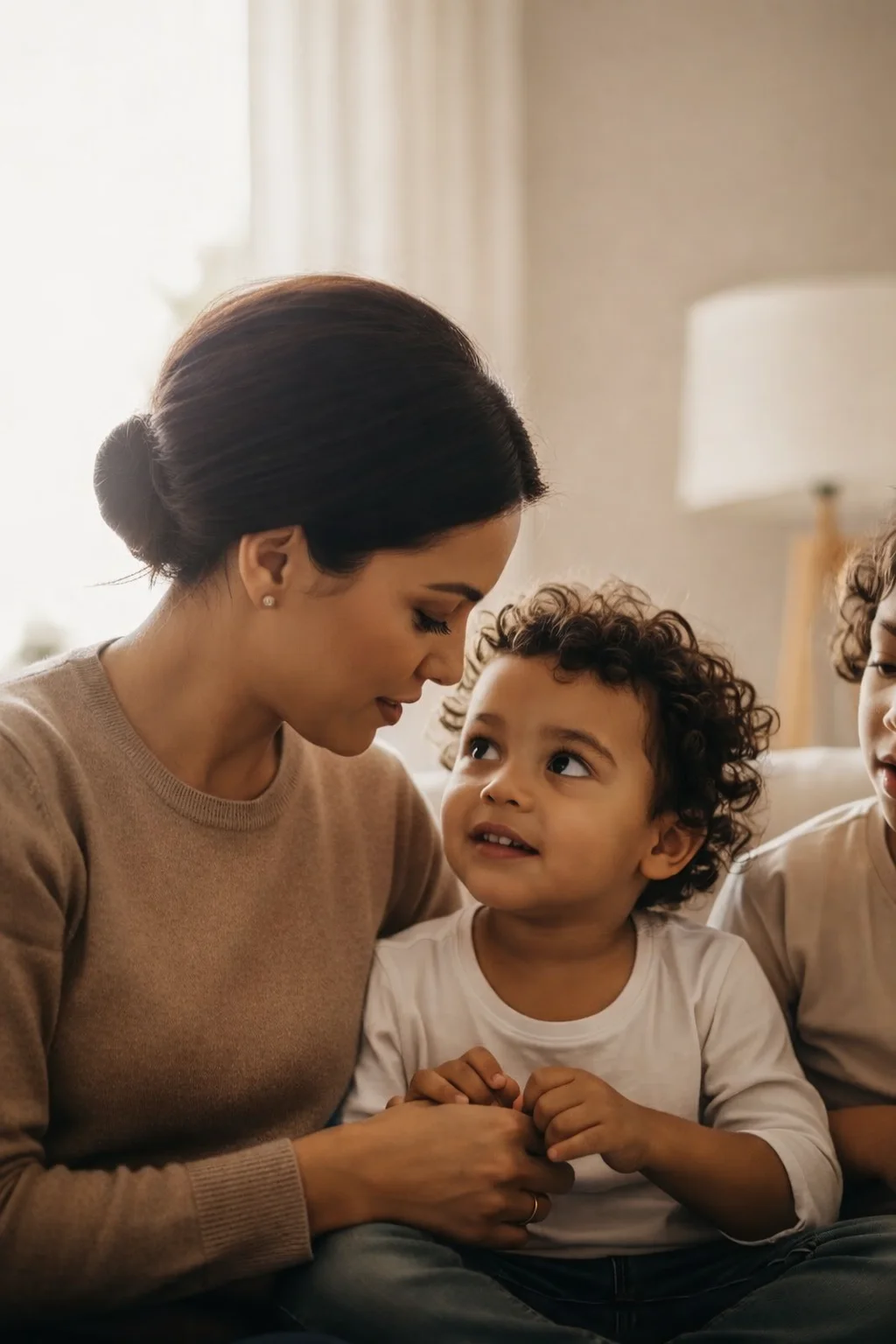
Introverted kids often feel uncomfortable when praised publicly. Private encouragement feels safer and more meaningful. Choose quiet moments to share kind words. Be specific. Instead of general praise, mention what you noticed. Simple statements like “You stayed calm” or “You tried even though it felt hard” help kids recognise their efforts. Keep encouragement short. Long speeches can feel overwhelming. A few honest words work best. Avoid linking praise to personality traits. Focus on actions and choices instead. This helps kids see confidence as something they practice, not something they either have or lack.
17. Teach Simple Self-Advocacy

Self-advocacy helps kids speak for themselves without fear. Start with short, polite phrases that they can use daily. Examples include “I need help,” or “I want a break.” Practice these phrases at home during relaxed moments. When your child speaks up, listen carefully. Responding with respect shows their voice matters. Even small attempts deserve acknowledgement. Avoid correcting how they speak unless necessary. Confidence grows through practice, not perfection.
18. Create Calm Family Connection Time

Connection does not always require conversation. Quiet shared activities can feel just as meaningful for introverted kids. Set aside time for calm family moments. Reading together, drawing, or doing puzzles works well. Avoid turning these moments into teaching sessions. The goal is shared presence, not instruction. These activities cost nothing and fit easily into daily routines. Even ten minutes counts.
19. Allow Time to Recharge After Social Moments
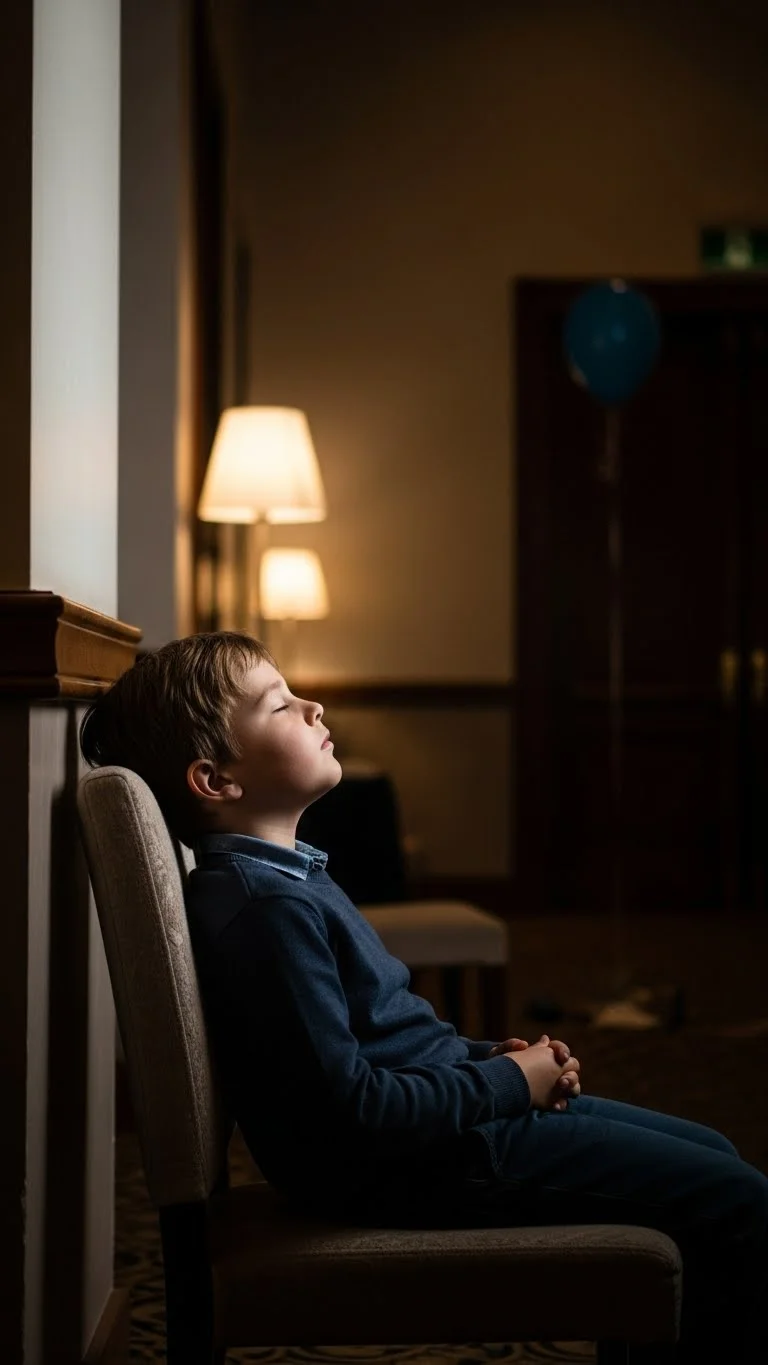
Social events can drain introverted kids. Recovery time helps them reset emotionally. After gatherings or school, allow space without questions. Silence paired with comfort often works best. Avoid asking for details right away. Conversations tend to happen later when kids feel ready. Support recovery with simple comforts. A snack, quiet play, or rest helps the body and mind settle.
20. Trust Their Natural Personality

Introversion is a natural way of experiencing the world. Trust it without trying to change it. Accepting your child’s personality helps them feel secure and understood. This acceptance shapes how they view themselves over time. Avoid pushing kids to act louder or faster than feels comfortable. Growth happens through support, not pressure. Remind them through actions that they are valued exactly as they are.
Conclusion
Supporting introverted kids starts with understanding and respect. Small daily choices shape how children see themselves. Calm routines, quiet encouragement, and space to recharge help kids feel steady and capable. When parents honour a child’s natural pace and personality, confidence develops gently and lasts well beyond childhood.
