

24 Productivity Tips for Parents Who Need
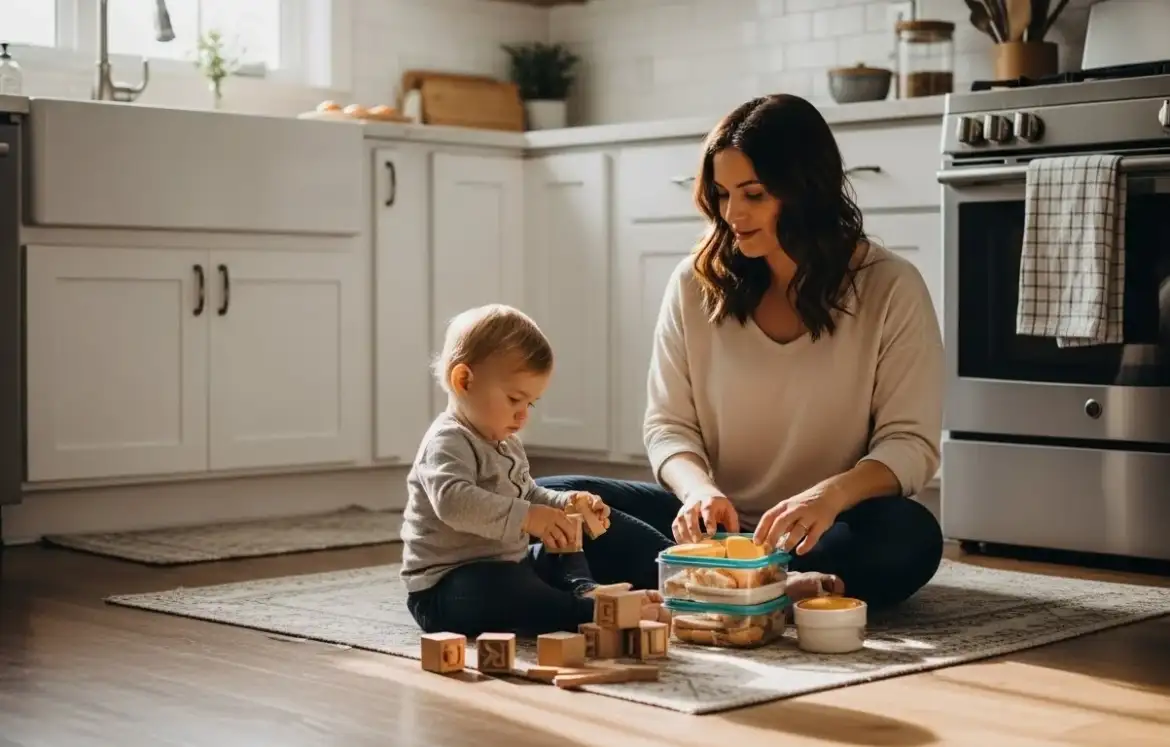
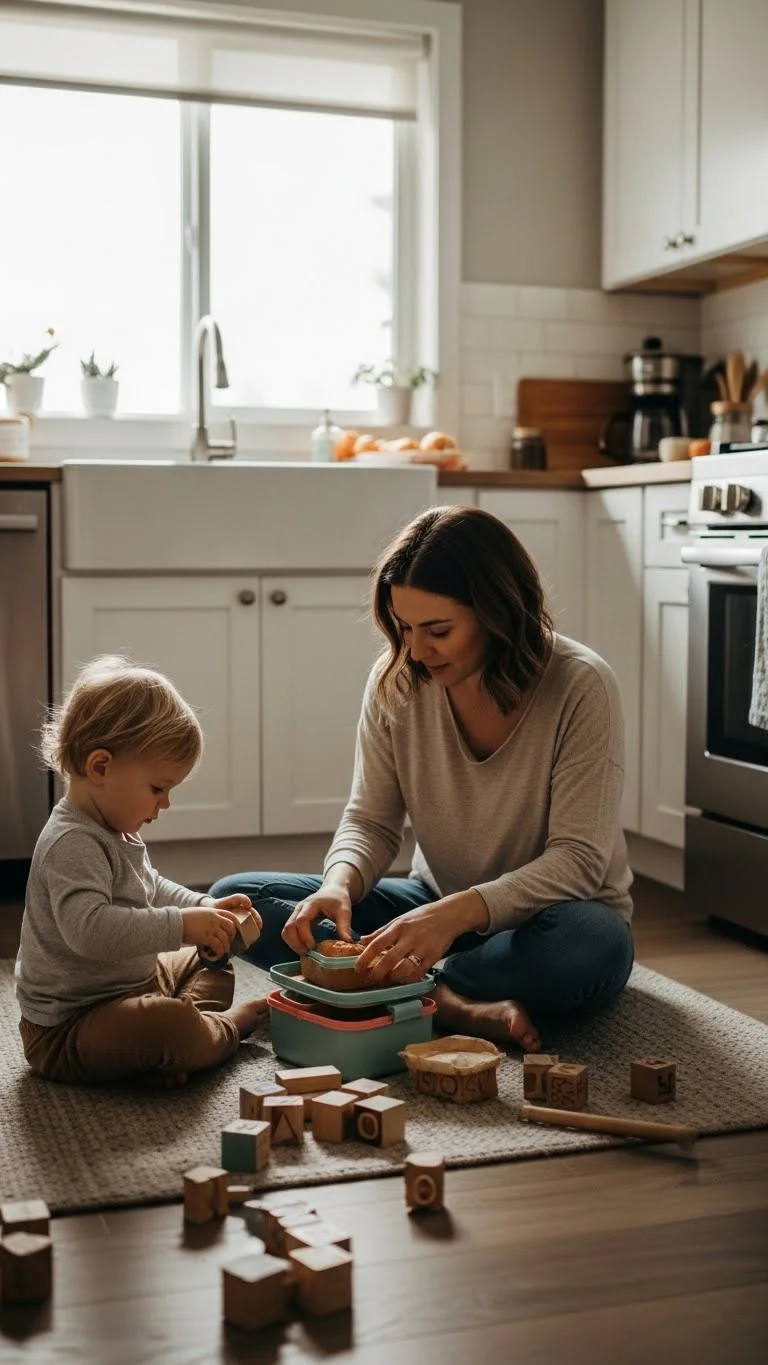 Parenting comes with endless to-dos, constant interruptions, and very little quiet time. Many moms and dads want simple ways to get more done without adding pressure or spending money. This list focuses on real-life actions that fit into busy homes. No fancy tools. No strict systems. Just practical habits that help you use your time better, protect your energy, and stay present with your kids. Pick one or two ideas to try this week. Small steps can make daily life feel more manageable.
- Morning Setup the Night Before

Preparing the night before saves mental energy in the morning. Lay out clothes. Pack school bags. Place shoes near the door. Small actions reduce morning chaos. You wake up knowing fewer choices wait for you. That alone brings calm. Keep a small basket for daily items like keys, lunch money, or notes. Drop everything there each evening. No searching later. This habit works well for kids too. Ask them to place their items in one spot. You can also prep breakfast parts. Cut fruit. Fill water bottles. Set the table. These steps take minutes but pay off when everyone is half-awake. This routine doesn’t need perfection. Even doing one or two things helps. The goal is to remove stress, not create more rules. Over time, your brain learns that mornings are easier, and you start the day with more patience.
- One List, Not Five

Many parents keep multiple lists: phone notes, sticky notes, planners, and mental lists. This scatters your focus. Use one main list. Paper or phone—pick one. Write only what truly matters today. Not everything you wish to do. Circle the top three tasks. If those get done, the day counts as a win. Keep the list short. Long lists feel heavy. They create guilt. A simple list feels doable. When something pops into your head, write it down right away. This clears mental clutter. Your brain relaxes when it knows the thought is stored. At night, move unfinished items to tomorrow’s list. No judgment. Just move them. This habit builds calm. You stop carrying tasks in your head all day.
- Time Blocks That Fit Family Life
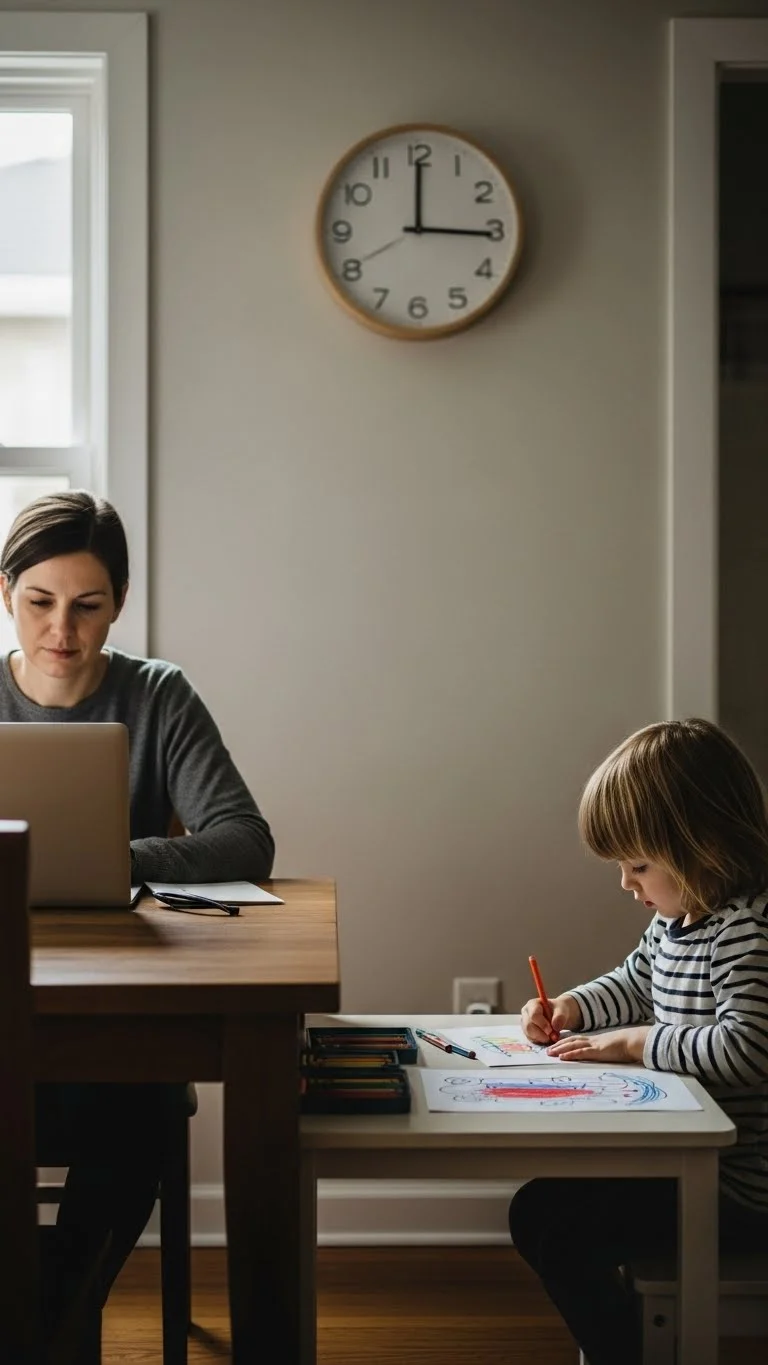
Time blocks are simple chunks of your day. Example: 30 minutes for cleaning. 20 minutes for emails. One hour for play. This keeps tasks from stretching all day. It also helps kids understand routines. Use a timer on your phone. When it rings, you stop. Even if the task isn’t perfect. This method works well for chores. You clean until the timer ends. Then you move on. It also works for work-from-home parents. Focus deeply for a short time, then take a break. Short blocks feel lighter than long sessions. You’re more likely to start. Over time, you’ll notice patterns. Some tasks take less time than you thought. That builds confidence.
- The Power of a 10-Minute Reset

A 10-minute reset can change the feel of your home. Set a timer. Everyone picks up, wipes, or organizes./Kids love short challenges. Turn it into a game. Who can put away the most toys?/This habit keeps mess from piling up. Big messes feel heavy. Small resets feel easy./Do one in the morning. One in the evening. That’s enough./You don’t have to clean deeply. Just restore order./Your mind feels calmer in a tidy space. This helps you think clearly./Short resets protect your energy. You stop feeling buried by chores.
- Keep a “Done” List

Most people track what they haven’t done. Try tracking what you have done. At the end of the day, write down completed tasks. Even small ones count. Made lunch. Folded laundry. Helped with homework. Seeing this list builds confidence. It shows effort, not failure. This is helpful on hard days. When nothing goes as planned, your done list shows progress. Kids can make one too. It builds pride. This habit trains your brain to notice wins. Over time, you feel lighter and more capable.
- Turn Waiting Time Into Light Task Time

Parents spend a lot of time waiting—outside schools, at appointments, or in traffic lines. Instead of scrolling, use these short moments for easy tasks. Keep a small list on your phone of things that take 5–10 minutes. Reply to messages. Add groceries to your cart. Pay a bill. Plan tomorrow’s meals. These tiny actions add up. You finish more without feeling rushed. Later, when you’re home, you’ll have more time to rest or be with your kids. Still, not every waiting moment needs to be busy. Some days, your brain just needs quiet. That’s okay too. The goal isn’t to fill every minute—it’s to give you more breathing room when you need it.
- Simple Meal Planning That Feels Easy

Meal planning doesn’t need charts or fancy systems. Just write down a few meals for the week. Pick food your family already likes. Repeat meals often. This saves time, money, and stress. Keep a short list of fast meals like eggs, sandwiches, pasta, or rice bowls. On busy days, choose from that list instead of thinking from scratch. If possible, cook extra and store leftovers. One cooking session can cover two meals. That means fewer dishes and less work. Planning meals lightly helps your brain relax. You stop asking, “What should I make?” every evening. That small relief makes daily life smoother.
- Create One Spot for Important Things
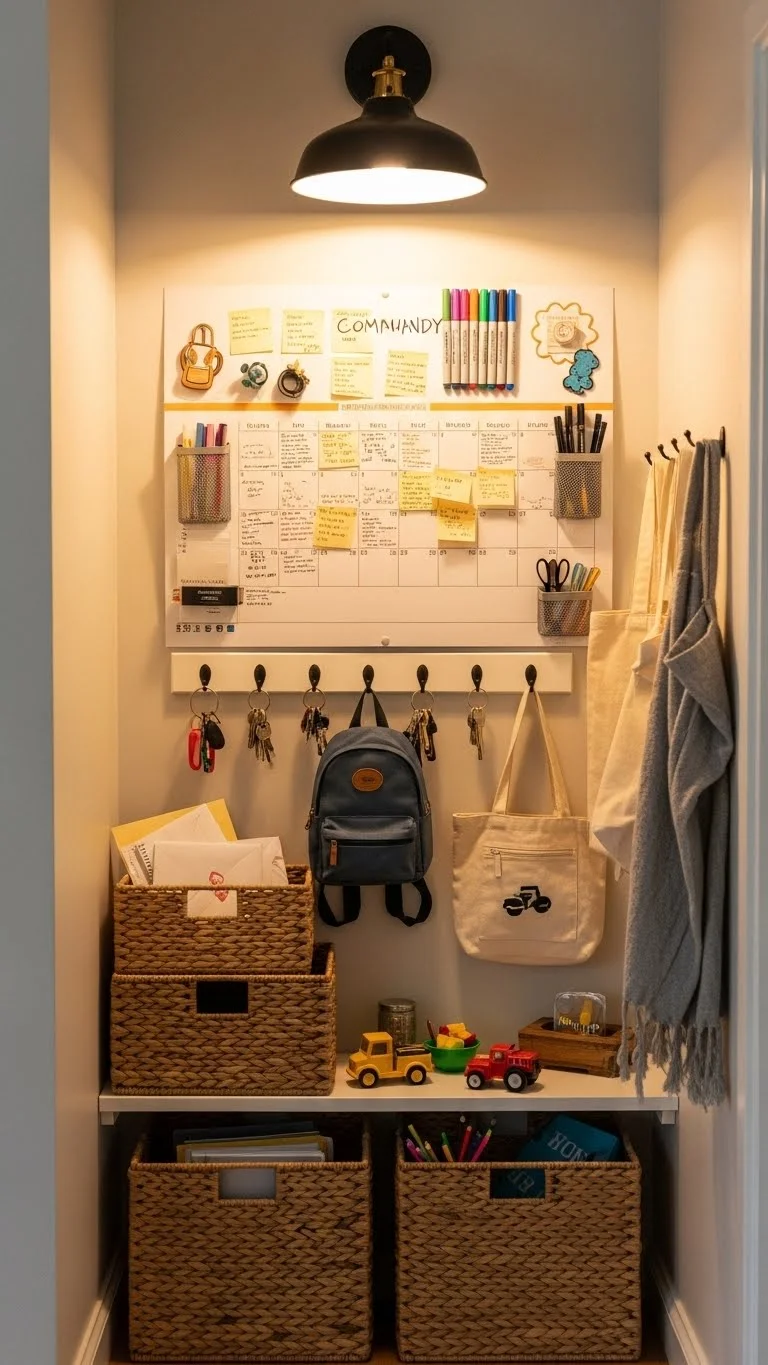
Choose one place in your home where all important items live. This can be a small table, wall hook, or basket. Keep keys, school papers, notes, and wallets there. This habit saves time. You stop running around looking for things. Everyone in the family knows where to place items. Make it simple. No need for fancy boards or labels. A few hooks and baskets work fine. Check this spot once a day. Clear old papers. Move new ones where they belong. When everything has one home, your brain feels calmer. Less searching means less stress.
- Let “Good Enough” Be Enough

Trying to make everything perfect steals time and energy. Your home does not need to look like a magazine. Your meals do not need to look fancy. Your schedule does not need to be full. When you accept “good enough,” you finish tasks faster. You stop overthinking. You start more easily. Your kids don’t need perfection. They need you present. They need your calm, not a spotless floor. Lowering your standards slightly doesn’t mean you don’t care. It means you care about your peace. This mindset saves hours every week. It also saves your mood.
- Group Similar Tasks Together

Switching between tasks takes energy. Your brain needs time to adjust each time you change activities. This is why batching helps. Do similar tasks at the same time. Answer all messages in one session. Fold all laundry in one go. Do all calls together. When you stay in one type of work, you finish faster. You feel less tired. This also works for errands. Plan them on the same day. Less running around. Batching keeps your brain focused. It makes your day feel smoother and lighter.
- Let Kids Help More Often

Kids can help more than we think. It might be slow at first, but it pays off later. Give them small jobs like putting toys away, matching socks, or wiping tables. Don’t redo their work. It’s okay if it’s not perfect. What matters is learning. Make it fun. Use music. Turn it into a game. When kids help, they feel proud. They feel useful. You feel less overwhelmed. Over time, this becomes normal for them. And your workload slowly becomes lighter.
- Pick Short Phone-Free Time Blocks

Phones steal more time than we notice. Try choosing small blocks of time when your phone stays away—20 or 30 minutes. During this time, focus on one thing. Work. Play with your kids. Rest. You’ll notice how much faster you finish tasks without checking your phoneYour mind feels clearer. You become more present. You don’t need to quit your phone. Just use it with purpose. Even one phone-free block per day can change how your day feels.
- Store Items Where You Actually Use Them
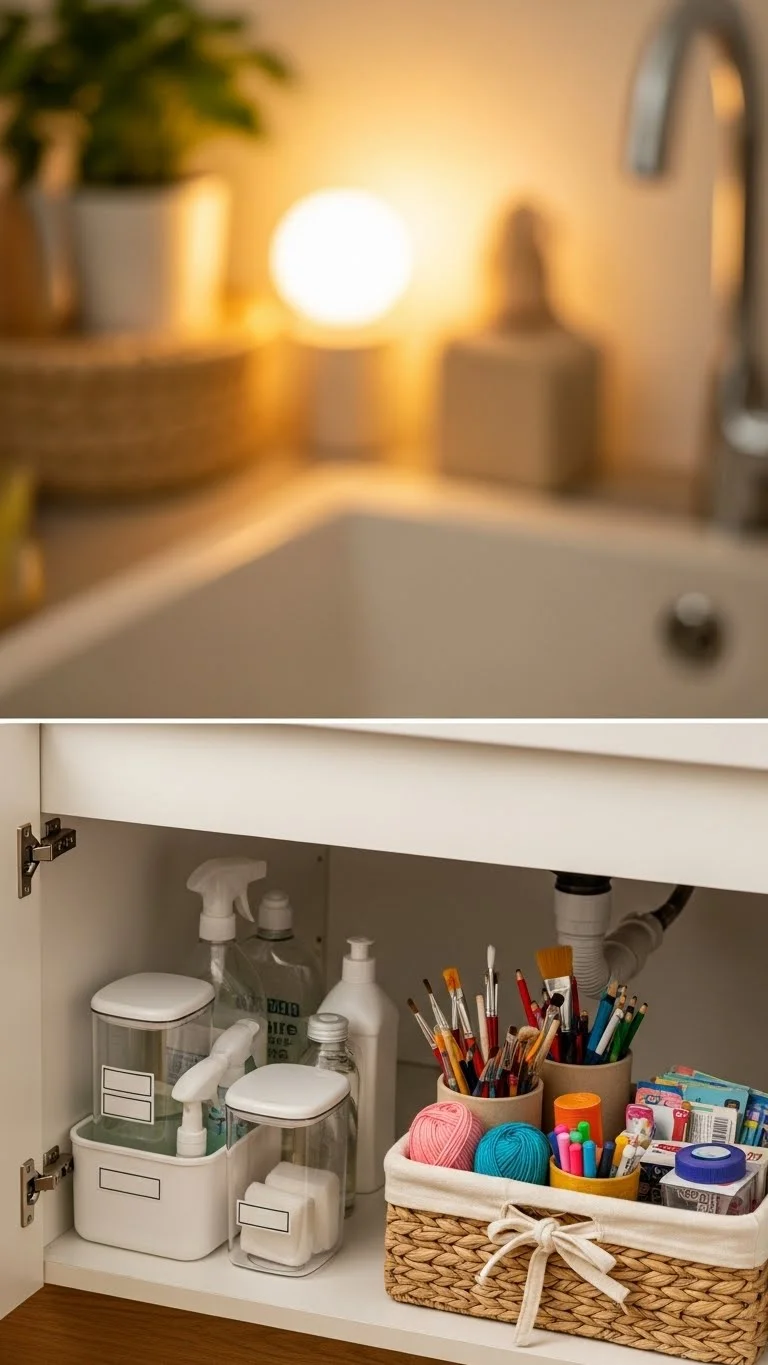
When items are far from where you need them, tasks feel harder. Keep cleaning wipes in the bathroom. Keep art supplies near the play area. Keep shoes near the door. This small change saves time. It also reduces mess. Kids are more likely to clean up when things are easy to reach Your home becomes easier to manage without extra effort. You don’t need new storage. Use baskets, boxes, or old containers. Simple systems work best.
- Use Voice Notes When Writing Feels Hard

Some moments are too busy for typing. That’s when voice notes help. You can record reminders, ideas, or lists while walking, cooking, or driving. Later, you can write them down or act on them. This keeps your brain clear. You don’t forget ideas. Voice notes are great for tired days. They feel lighter than writing. They also save time. This habit helps you stay organized without sitting down with a notebook. Your mind feels clearer. This simple rule saves hours each week.
- Build Tiny Daily Routines That Run on Autopilot

Tiny routines save energy. When you do the same steps every day, your brain stops making decisions. Morning routine. Bedtime routine. After-school routine Keep them short and realistic. Brush teeth, change clothes, eat. That’s enough. Kids feel safer when they know what comes next. Less arguing. Less confusion. You don’t need strict rules. Just a loose order. When routines become habits, life feels smoother. You don’t waste time thinking. You just move. This frees your mind for better things—like enjoying your kids or resting.
- Plan One Small Thing Just for You

Parents often put themselves last. That leads to burnout. Each day, plan one small thing that belongs only to you. A walk. A quiet tea. A chapter of a book. It doesn’t need to be long. Even 10 minutes helps. This time refills your energy. You become calmer and more patient. When you take care of yourself, everything feels easier. This is not selfish. It’s necessary. You deserve care too.
- Track Spending in a Simple Way

Money stress eats mental space. You don’t need fancy apps to manage it. Just write what you spend. Notebook. Phone note. Anything works. Seeing numbers helps you make better choices. You start noticing patterns. Where money goes. Where you can save. This builds confidence. When money feels more controlled, your mind relaxes. You don’t feel lost. Simple tracking is better than no tracking.
- Use Visual Cues Instead of Memory
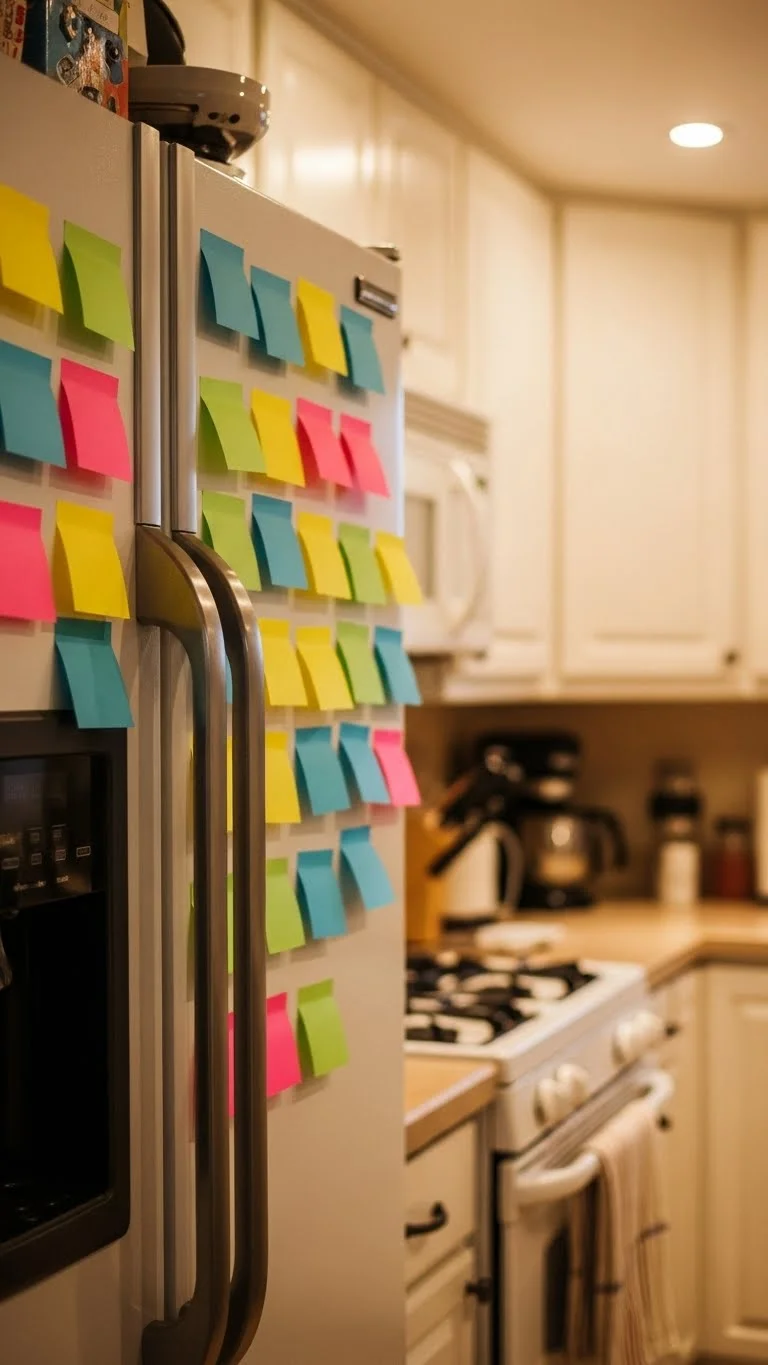
Our brains forget. That’s normal. Use visual reminders to help yourself. Notes on the fridge. A wall calendar. A checklist by the door. When you see something, you remember. This removes mental pressure. Kids also learn better with visuals. Use colors or simple symbols. Your brain feels lighter when it doesn’t have to remember everything.:
- Keep a Simple Box for Things You Don’t Use
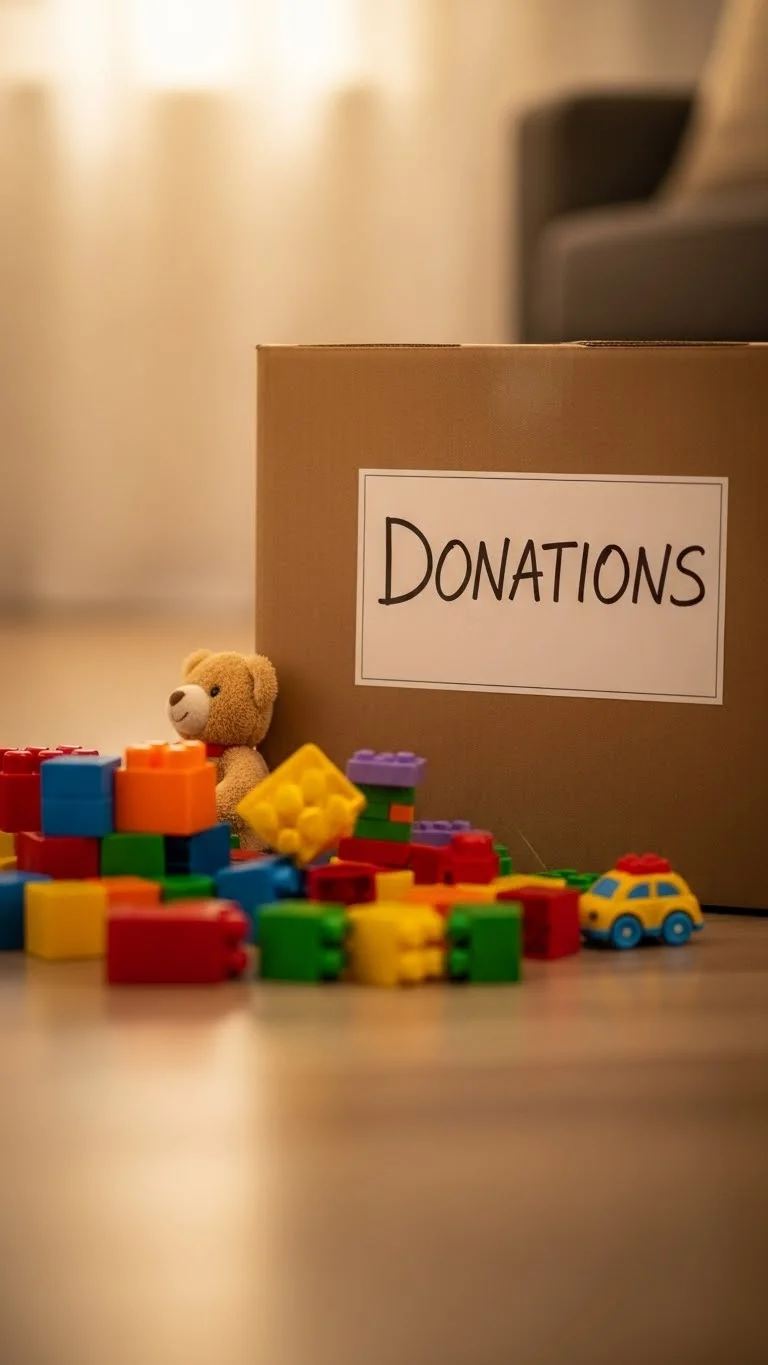
Stuff piles up quietly. One toy here, one old shirt there, and suddenly your home feels crowded. A simple fix is to keep one box for items you no longer use. Whenever you notice something sitting around unused, drop it in. No big cleaning days. No pressure. Just a small habit that runs in the background. When the box is full, donate it or give it away. This keeps your space lighter without extra work. Less clutter means less cleaning. It also means less stress. Your brain relaxes when your space feels open. Kids can join too. They learn to let go and share. This habit keeps your home easier to manage all year.
- Write Tomorrow’s Plan Before You Sleep

Nighttime often feels busy because your brain is holding too many thoughts. Writing tomorrow’s plan before bed helps your mind rest. Take two minutes. Write three tasks. Only three.This gives your day direction. You wake up knowing what to do instead of guessing.Your brain feels calmer. You sleep better.You don’t need long plans. Simple works best. This habit also stops late-night overthinking. Your thoughts are on paper, not in your head. Mornings feel smoother. You start with purpose instead of stress.
- Learn to Say No Without Feeling Bad

Saying yes to everything drains energy. Every yes takes time, effort, and focus. When you say no, you protect your peace. You don’t need long explanations. A kind, short answer is enough. Saying no doesn’t mean you don’t care. It means you care about your limits. When your schedule is lighter, you feel calmer. You show up better for your family. You don’t have to please everyone. Your time matters.
- Use One Calendar for the Whole Family
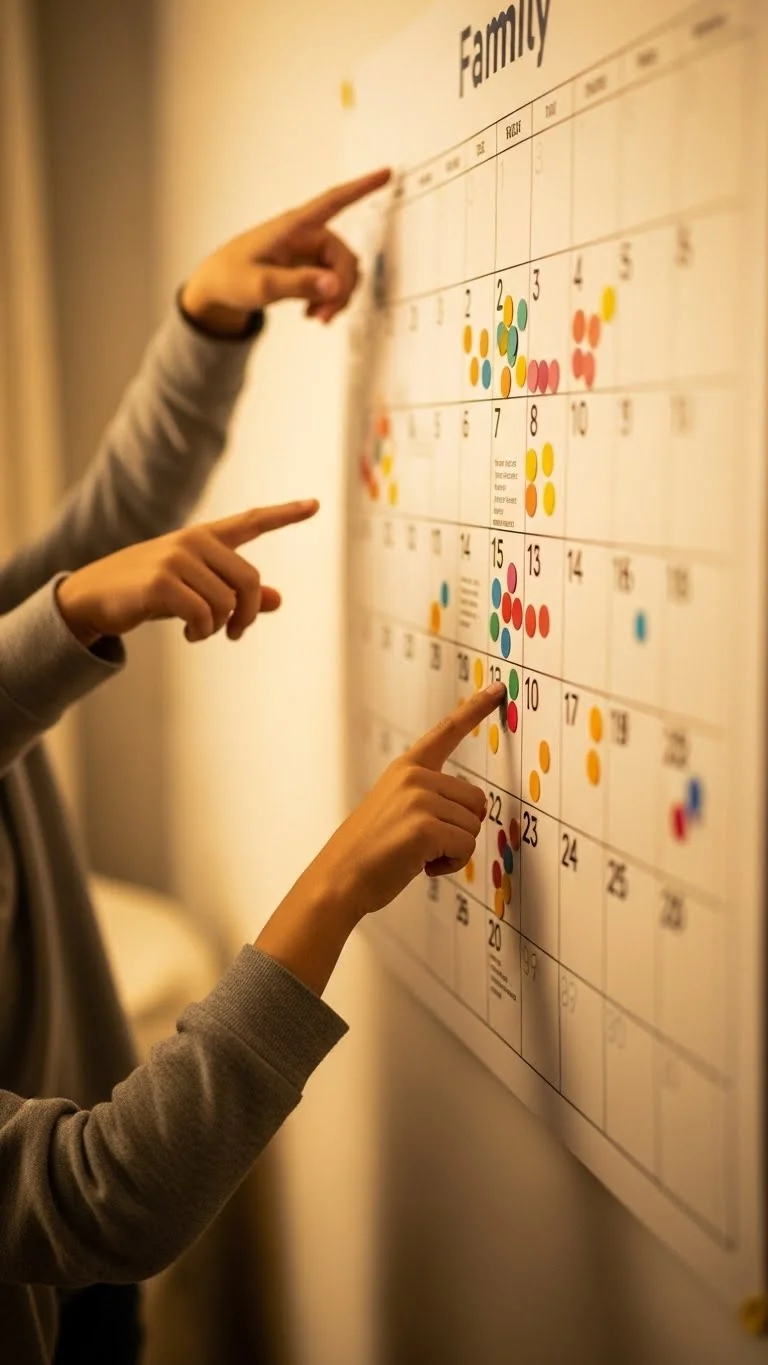
When everyone has different plans, things get confusing fast. A shared family calendar keeps everyone on the same page. Hang it where everyone can see it. Mark school days, events, and appointments. Use colors for each person. This reduces surprises and last-minute stress. Kids learn how to plan. You stop carrying all dates in your head. Life feels more organized. One calendar can change a lot.
- Create a Small Calm Spot in Your Home
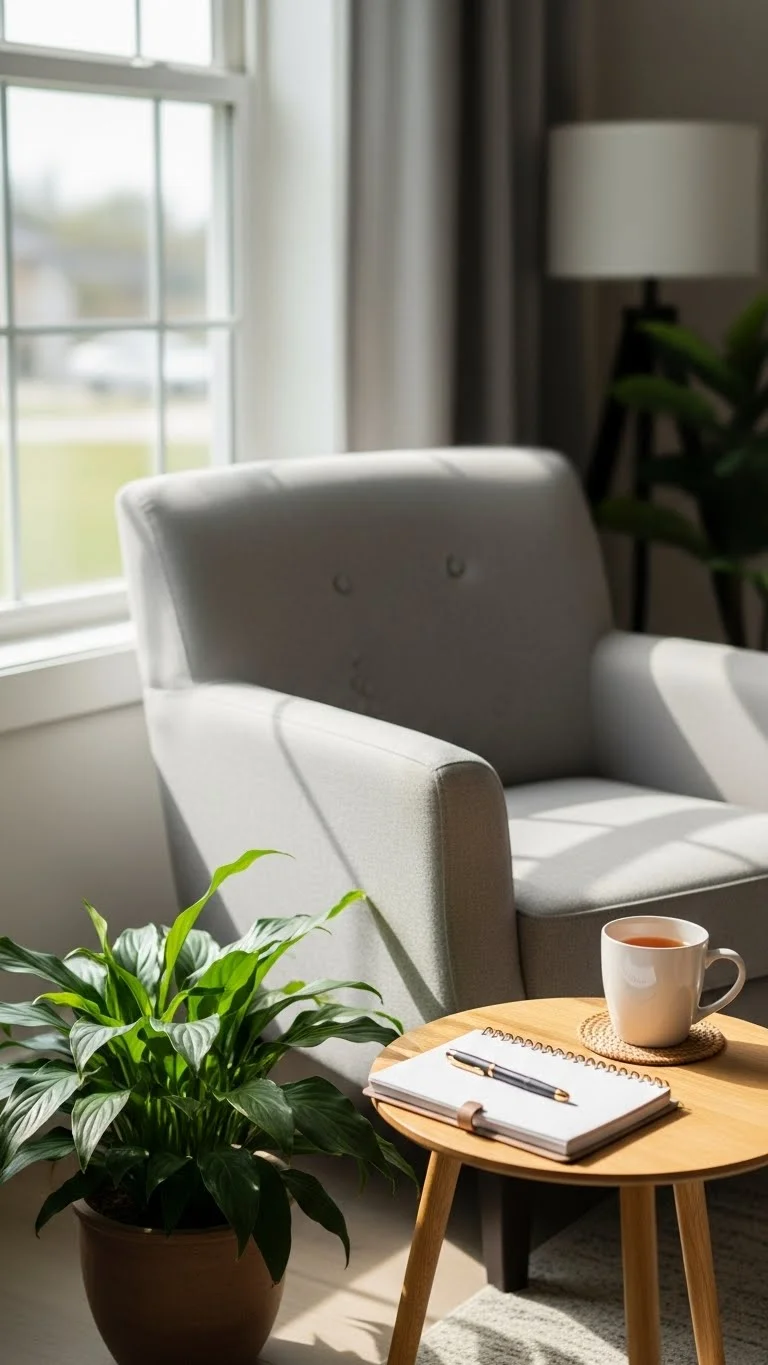
Every home needs a quiet place. It doesn’t need to be big. A chair by a window. A soft corner. A small mat. This is your calm space. You can sit, breathe, or rest. Kids can use it too. This teaches everyone how to take breaks. It helps with emotions. Less yelling. Less stress. More calm. A peaceful corner changes the mood of your home.
- Celebrate Small Wins Every Day

Most parents focus on what they didn’t finish. Try noticing what you did finish. Made breakfast. Cleaned dishes. Helped with homework. These are wins. Write them down. Say them out loud. This builds confidence. Your brain starts seeing progress. Life feels lighter. You stop feeling behind. Small wins matter more than big plans.
Conclusion
Parenting days can feel full before they even begin. Between school runs, meals, work, and home tasks, it’s easy to feel like time slips away. That’s why small, simple habits matter. You don’t need big plans or strict systems. Tiny changes—like planning the night before, using short routines, and keeping things simple—can slowly make your days feel lighter. Not every tip will work for every family, and that’s okay. Choose what fits your home, your energy, and your schedule. Try one idea at a time. Let it become natural before adding another. Some days will still feel messy. That’s real life. What matters is creating easier ways to move through it. When your days feel calmer, you have more space for your kids, your peace, and yourself.
