

23 Parenting Stress Relief Ideas for Daily Calm
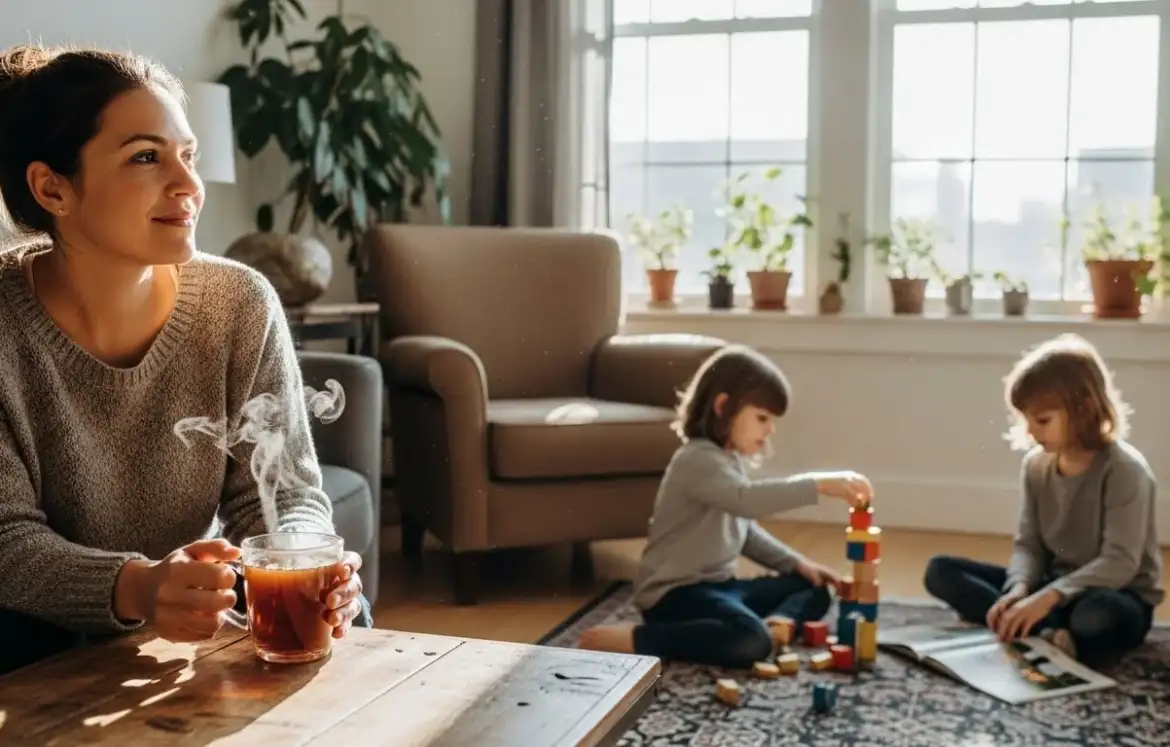
Parenting stress shows up in small daily moments. Rushed mornings. Messy rooms. Loud emotions from little people who depend on you. Many parents search for calm they can reach without big plans or extra spending. This list focuses on simple, real-life ways to release tension and reset your mood. Each idea fits into regular family routines and works even on busy days. Small shifts, repeated often, can bring steadier days and quieter evenings.
-
Start the Day Five Minutes Earlier
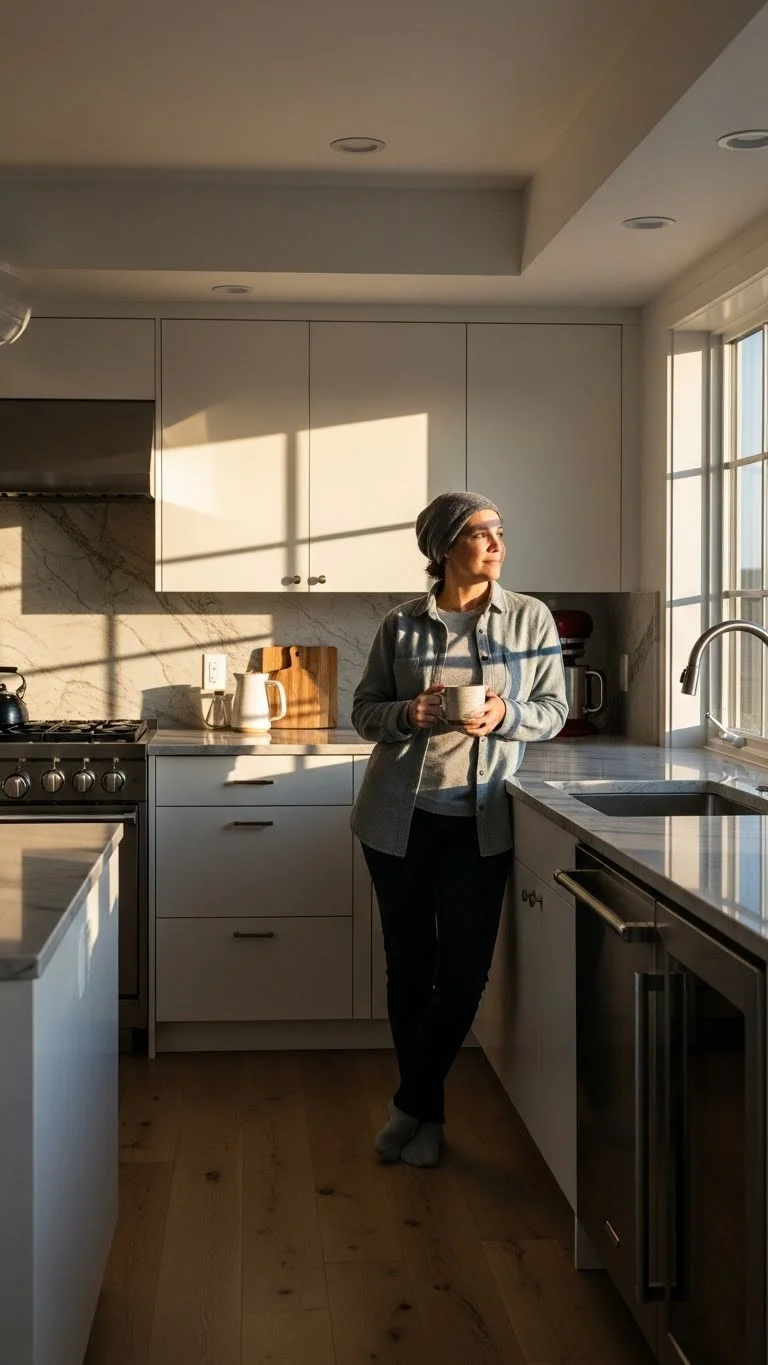
Waking up a little earlier can change the tone of the day. Five minutes is enough. Sit in silence. Sip water or tea. Breathe slowly. This short pause creates space before noise begins. You are not rushing yet. You are not answering anyone. Use this time for grounding. Place your feet on the floor. Notice the light. Stretch your shoulders. No phone scrolling. No planning. Just stillness. This habit costs nothing. Set your alarm slightly earlier. Go to bed ten minutes sooner if possible. Over time, your body adjusts. Parents often say mornings feel less sharp with this habit. Even when kids wake early, you already had a moment for yourself. That matters. Keep it simple. No rules. No pressure. Just five quiet minutes that belong to you.
-
Create a Calm Corner at Home

A calm corner gives your body a signal to slow down. It does not need much space. A chair by a window. A floor cushion near the wall. A small table. Add items that feel soothing. A soft blanket. A plant. A candle you like. Keep it clutter-free. Use this spot when stress rises. Sit there for a few minutes. Breathe deeply. Let your shoulders drop. Kids can use it too. Show them this space is for rest, not punishment. That helps the whole house feel safer. This setup can be done with items you already own. Rearrange instead of buying. Move a chair. Clear a shelf. When you return to daily tasks, your body feels steadier. Calm spaces support calm reactions.
-
Lower Noise Levels on Purpose
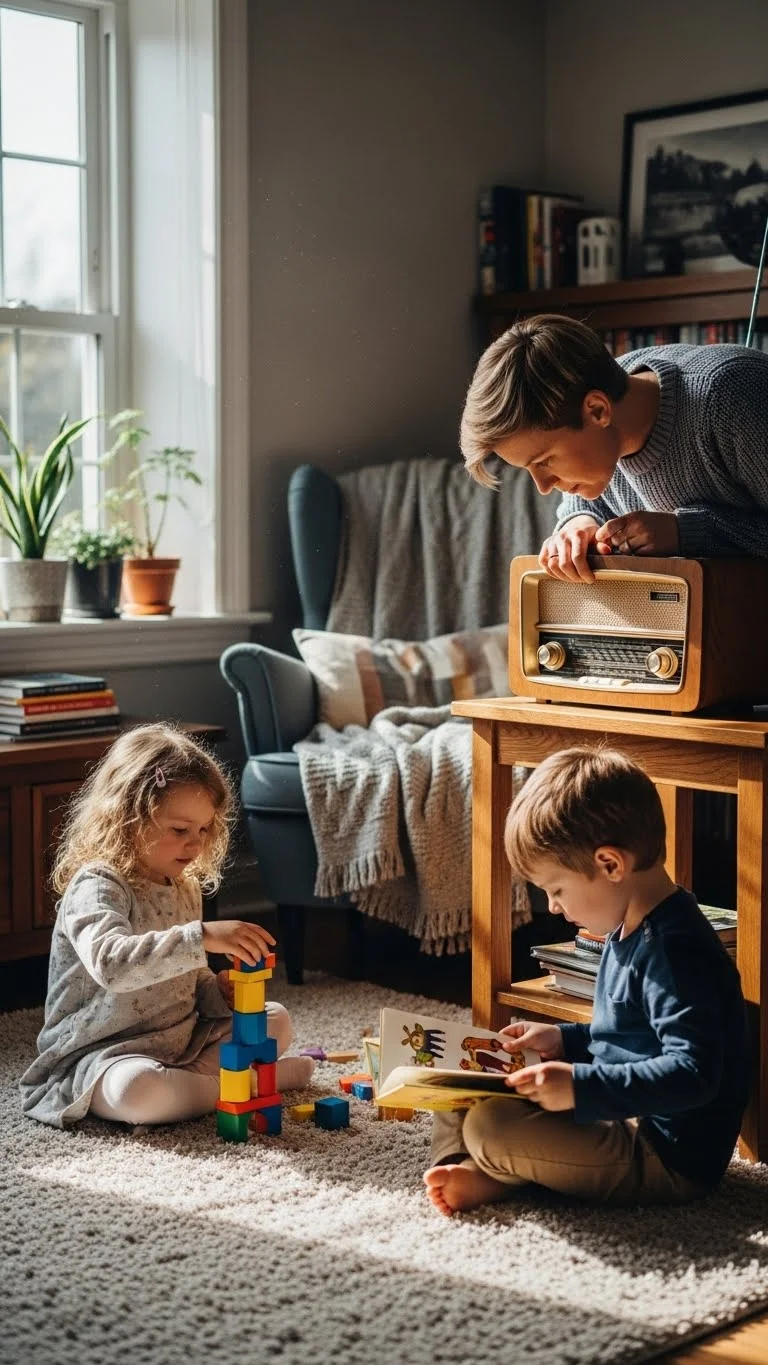
Noise adds stress without warning. Music, TV, toys, and voices stack up fast. Lowering sound levels can settle nerves. Turn background music down. Pause the TV when no one is watching. Choose quieter toys when possible. Speak a bit softer yourself. Kids often follow your lead. The room changes when voices drop. This does not mean silence all day. It means choosing sound instead of letting it pile up. Try quiet hours. Even twenty minutes helps. Read. Draw. Rest. Reducing noise costs nothing. It only takes awareness. Over time, your home feels less tense. Your head feels clearer.
-
Practice Slow Breathing During Chaos

Stress hits fast. Breath is the quickest tool you have. When things get loud or messy, slow your breathing. Inhale through your nose for four counts. Exhale through your mouth for six. Repeat three times. Your body responds quickly. Heart rate slows. Muscles loosen. You can do this while standing. While washing dishes. While listening to complaints. No one has to notice. It works quietly. Practice when calm so it feels natural later. This skill stays with you anywhere.
-
Simplify One Daily Routine

Complex routines add pressure. Pick one routine to simplify. Morning dressing. Dinner cleanup. Bedtime prep. Lay out clothes the night before. Use the same breakfast options on weekdays. Pack bags early. Less decision-making means less stress. Your brain gets a break. This does not require perfection. Small steps help. One routine at a time. As routines smooth out, emotions stay steadier. Predictable flow helps both parents and kids. Here are rewritten subheadings 6–15, each expanded to ~150 words, with a calm, supportive parenting tone and clear readability.
-
Step Outside Every Day
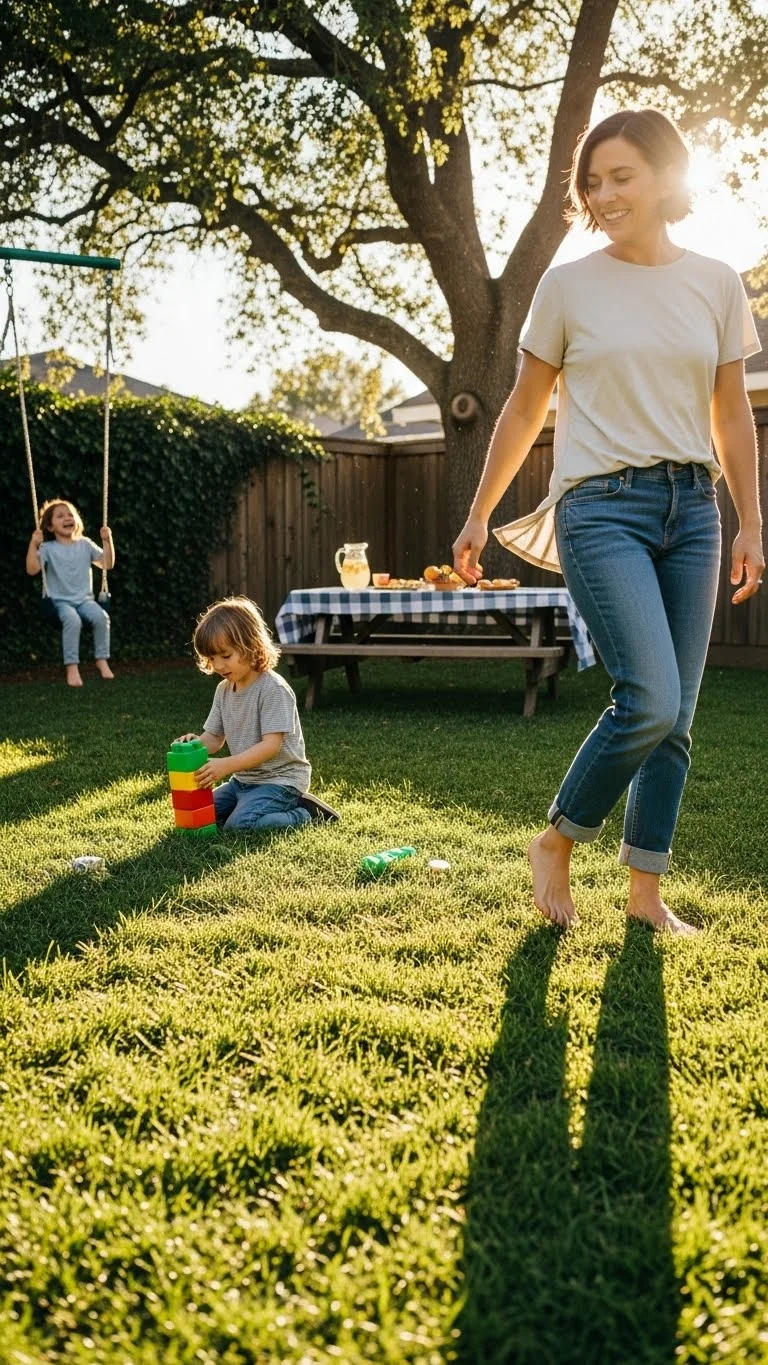
Spending time outside, even briefly, can ease parenting stress more than most people expect. Fresh air helps your nervous system reset. Natural light improves mood and energy. Open space gives your eyes and mind a break from walls, mess, and noise. You do not need a long walk or special outing. Step onto the balcony. Stand in the yard. Walk to the end of the street and back. Let your shoulders relax while you breathe in deeply. Notice small details like clouds, trees, or the feel of the ground under your feet. Children benefit too, but this habit is for you first. Outdoor moments remind your body that it is safe to slow down. Even five minutes can reduce tension. Make it part of your daily rhythm, not another task to perfect. Consistent exposure to daylight and open air supports calmer reactions and steadier emotions throughout the day.
-
Limit Phone Use Around Kids
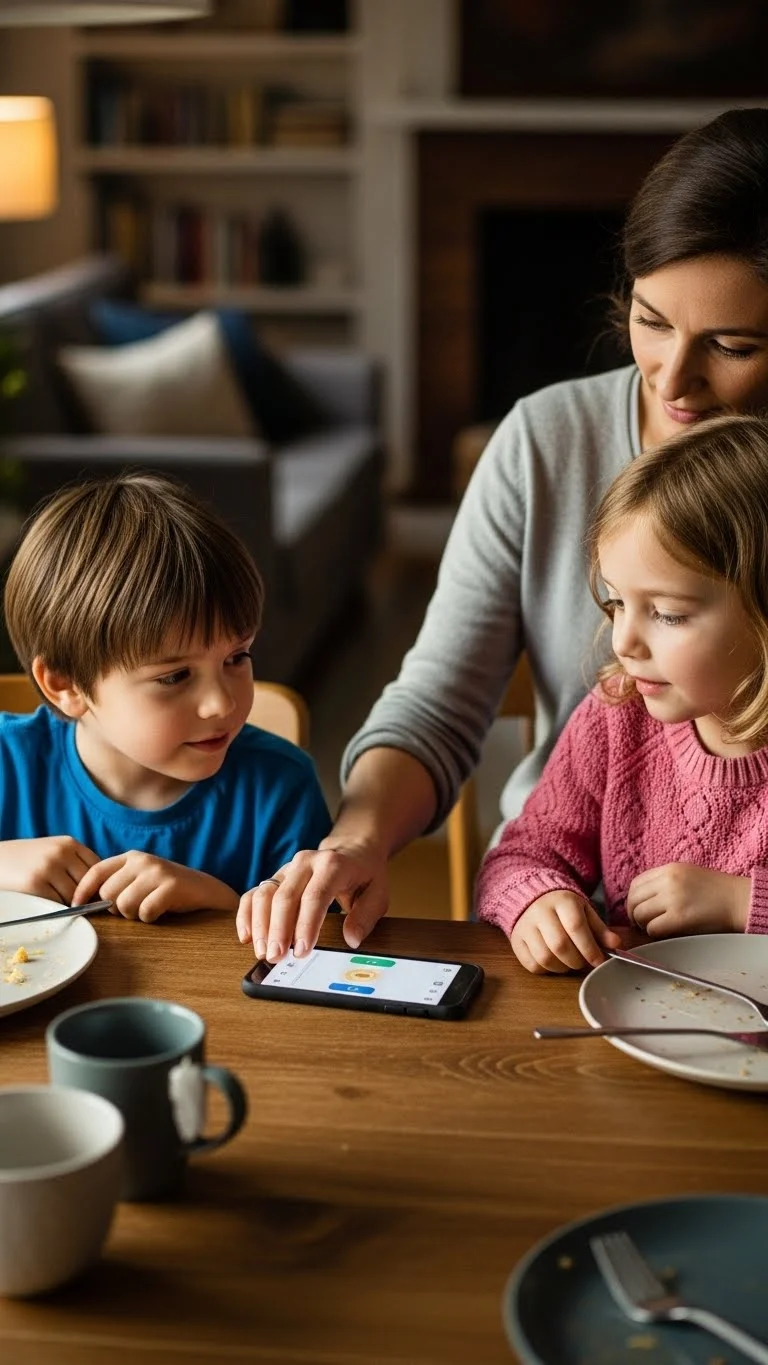
Phones quietly increase stress by pulling your attention in two directions at once. When your mind jumps between notifications and your children, your body stays tense. Setting small phone boundaries can bring noticeable relief. Start with short periods of full presence. Place your phone face down. Leave it in another room for ten minutes. Give your attention to play, conversation, or shared silence. Children feel more secure when they sense your focus, which reduces behavior struggles. You also feel less guilt and mental clutter. This is not about eliminating phone use completely. It is about choosing when to disconnect. Over time, these moments add up. You begin to notice calmer interactions and fewer emotional spikes. Your mind has more space to rest. Small boundaries are easier to maintain and more effective than strict rules. Presence supports both connection and emotional balance.
-
Use Gentle Movement to Release Tension

Stress often lives in the body before it shows up in your thoughts. Gentle movement helps release that stored tension. You do not need exercise equipment, special clothes, or a workout plan. Stretch your arms overhead. Roll your shoulders. Twist your spine slowly. Walk around the room while breathing deeply. These small movements signal safety to your nervous system. They help muscles soften and emotions settle. You can move while waiting for water to boil or while children play nearby. Even one minute helps. Movement is especially useful when you feel irritable or stuck. It shifts energy without requiring silence or space. Over time, your body learns to relax more quickly. Gentle movement supports patience, reduces overwhelm, and improves mood. It is one of the easiest tools to use consistently because it fits into real life. Let movement be supportive, not demanding.
-
Keep Meals Simple on Hard Days

Food preparation can add unnecessary stress when energy is already low. On difficult days, simple meals are a form of self-care. Choose options that require minimal planning and cleanup. Sandwiches, eggs, rice, leftovers, or breakfast foods are enough. Meals do not need to look balanced or impressive every day. Feeding your family is the goal, not perfection. Lowering expectations around food reduces evening pressure and decision fatigue. Children benefit from a calmer parent more than a complicated meal. Keep a short list of easy options for stressful days. This removes guesswork when you are tired. Over time, you will notice that simpler meals protect your energy and patience. Giving yourself permission to take shortcuts prevents burnout. Calm dinners create calmer nights, even when the menu is basic.
-
Write Down Worries Before Bed

Stress often grows louder at night when everything becomes quiet. Writing down worries helps move them out of your head and onto paper. Keep a notebook and pen near your bed. Before sleep, write whatever is on your mind without fixing or organizing it. This simple act tells your brain that the concerns are stored safely for later. Close the notebook and remind yourself that rest comes first. Many parents notice they fall asleep faster and wake up feeling less tense. Writing does not solve problems, but it creates mental space. It reduces racing thoughts and emotional buildup. Over time, this habit trains your mind to release control at night. Even a few sentences can help. The goal is relief, not productivity. Sleep supports patience and emotional regulation the next day.
-
Laugh on Purpose

Laughter is one of the fastest ways to reduce stress. It relaxes muscles, lowers tension, and shifts emotional energy. Parenting does not always feel funny, but choosing moments of laughter can change the mood quickly. Watch a short comedy clip. Play a silly game. Make exaggerated faces with your children. Even forced laughter often turns real. Shared laughter strengthens connection and helps children feel safe. It also reminds you that joy still exists in hard moments. You do not need long stretches of fun. A few minutes can reset the atmosphere. Laughter breaks stress cycles and softens frustration. Over time, families who laugh together recover faster from difficult moments. Humor does not ignore challenges; it makes them easier to carry.
-
Ask for Small Help

Trying to do everything alone increases stress and exhaustion. Asking for small help can bring immediate relief. This does not mean needing constant support. Start with manageable requests. Ask someone to watch the kids for ten minutes. Request help with laundry. Share one responsibility. Clear, specific requests are easier for others to respond to. Accepting help does not mean failure. It means you recognize your limits. When tasks are shared, emotional load decreases. You gain breathing room and energy. Over time, support systems grow stronger when communication is honest. Parenting was never meant to be a solo role. Even small acts of help create more balance and calm in daily life.
-
Keep Expectations Realistic

Unrealistic expectations are a major source of parenting stress. Homes with children are messy. Days are unpredictable. Emotions run high. Accepting this reality reduces frustration. Focus on what truly matters: safety, connection, and care. Let some tasks wait. Allow routines to bend. Perfection is not required for good parenting. When expectations lower, patience rises. You respond instead of react. Children also feel less pressure. Over time, realistic standards create a calmer environment. Life feels more manageable when you stop comparing your day to an ideal version. Progress matters more than appearance. Calm grows when you allow yourself to be human.
-
Use Visual Reminders to Pause
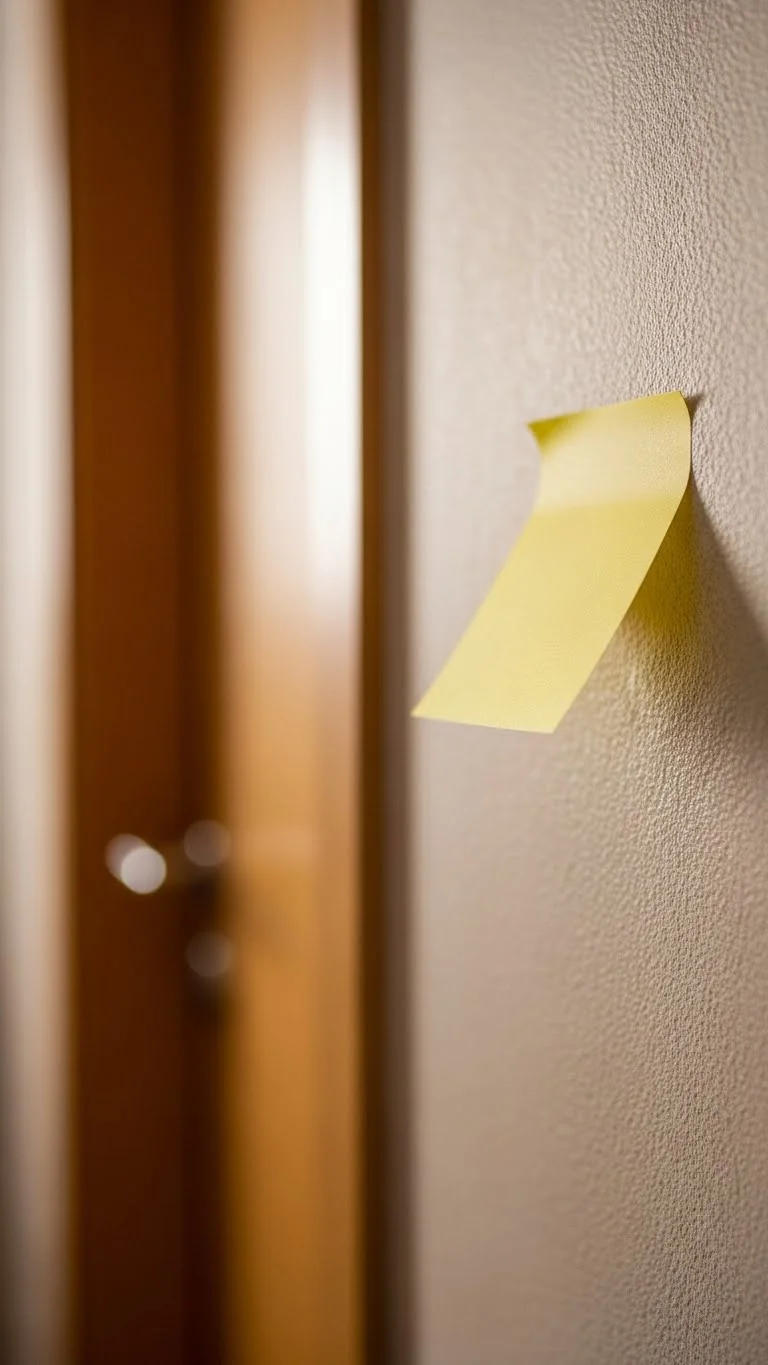
Visual reminders help interrupt stress before it builds. Choose simple objects that signal calm. A plant by the sink. A stone on a shelf. A bracelet on your wrist. Each time you notice it, take one slow breath. This tiny pause brings awareness back to your body. Visual cues work because they require no effort or planning. They gently remind you to slow down throughout the day. Over time, these pauses become automatic. Your nervous system learns to settle more easily. Visual reminders support mindfulness without adding another task. Small signals repeated often help maintain emotional balance.
-
Build Quiet Time Into the Day

Quiet time benefits both parents and children. It gives the nervous system a chance to rest. Set aside a short daily period for calm activities. Reading, drawing, puzzles, or resting quietly. This time is not about productivity. It is about recovery. Noise levels drop. Emotions stabilize. Children learn how to entertain themselves calmly. You gain mental space. Even fifteen minutes makes a difference. Consistent quiet time improves patience and reduces emotional overload. Over time, it becomes a grounding part of the day that everyone relies on. Calm routines support emotional regulation and steady energy for the rest of the day. Below are rewritten subheadings 16–23, each expanded to approximately 150 words, matching the calm, practical tone of the earlier sections.
-
Drink Enough Water

Hydration affects stress more than many parents realize. Even mild dehydration can lead to fatigue, irritability, and difficulty focusing. When you are caring for others all day, it is easy to forget your own basic needs. Keeping water nearby makes a difference. Place a glass or bottle where you spend most of your time. Take small sips often rather than waiting until you feel thirsty. Drinking enough water supports steady energy levels and clearer thinking. It also helps your body regulate temperature and manage physical stress. Adding a slice of lemon or cucumber can make the habit more appealing. This is a simple form of self-care that requires little effort but offers consistent benefits. When your body is well supported, emotional reactions soften. Hydration is a quiet but powerful tool for maintaining daily calm.
-
Prepare for Tomorrow at Night

Evening preparation can significantly reduce morning stress. When mornings begin smoothly, the entire day feels more manageable. Spend a few minutes at night setting out clothes, packing bags, or checking schedules. This small investment saves time and emotional energy later. Preparing ahead reduces decision-making when you are tired or rushed. Children also benefit from predictable mornings, which can prevent meltdowns. Keep preparation simple and realistic. Focus on the essentials rather than trying to organize everything. Over time, this habit creates a sense of control and calm. You start the day feeling capable instead of overwhelmed. Evening preparation is not about perfection. It is about making mornings kinder for yourself and your family. A calm start supports patience, cooperation, and steadier emotions throughout the day.
-
Let Kids Help

Allowing children to help with daily tasks can reduce stress and build cooperation. Kids often want to feel useful and included. Giving them simple responsibilities supports that need. Folding laundry, setting the table, or putting toys away together can ease your workload. Progress may be slower, but emotional benefits are significant. Helping builds confidence and shared responsibility. It also reduces power struggles because children feel involved rather than controlled. Keep expectations age-appropriate and flexible. Praise effort instead of results. Over time, helping becomes part of the family rhythm. Tasks feel less heavy when shared. Letting kids help also creates connection and teaches life skills. Stress decreases when you stop doing everything alone and invite teamwork into daily routines.
-
Take Breaks Without Guilt
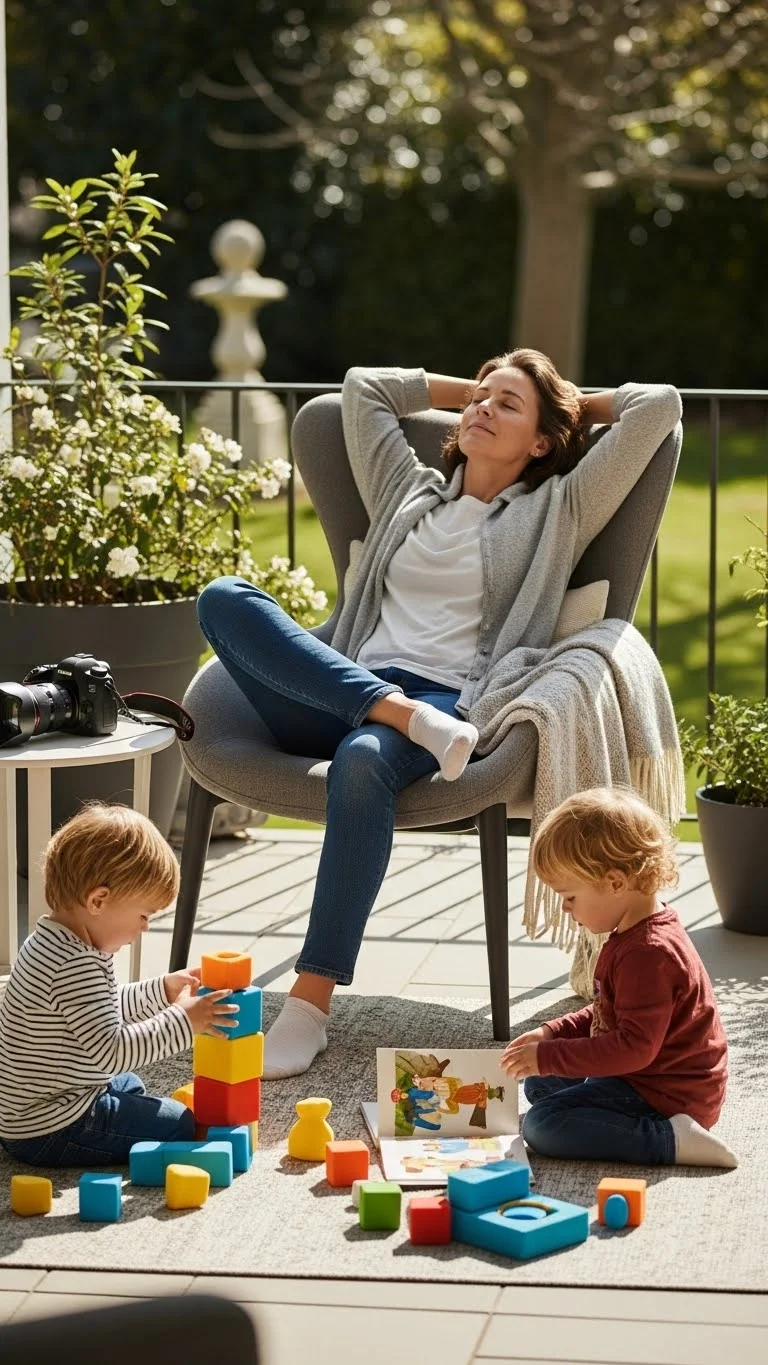
Rest is essential for patience and emotional balance. Many parents feel guilty when they pause, but breaks support better care giving. Short moments of rest count. Sit down. Close your eyes. Take a few slow breaths. These pauses allow your nervous system to reset. You do not need long periods away or complete silence. Even brief breaks help reduce irritability and exhaustion. Children benefit when parents are regulated and calm. Rest is not a reward; it is a necessity. Over time, allowing yourself to rest improves mood and resilience. Guilt fades as you notice the positive effects. When you care for yourself, you respond more gently and thoughtfully. Breaks protect your energy and support steadier parenting.
-
Limit Daily To-Do Lists

Long to-do lists create pressure and overwhelm. Limiting your daily tasks helps protect mental energy. Choose three priorities each day. Focus on completing those and let the rest wait. This approach reduces decision fatigue and creates a sense of accomplishment. Finishing small, meaningful tasks feels calming. It shifts attention from what is unfinished to what is done. Be realistic when choosing priorities. Life with children is unpredictable. Flexibility matters. Over time, shorter lists support balance and prevent burnout. You learn to value progress over productivity. Calm grows when expectations align with reality. Simplifying your to-do list helps your day feel lighter and more manageable.
-
Create Simple Evening Rituals

Evening routines help signal the body that it is time to slow down. Simple rituals create predictability and emotional safety. Choose a few consistent steps each night, such as a bath, a story, or quiet conversation. Keep lighting soft and voices calm. Predictable flow reduces resistance and stress for both parents and children. You do not need elaborate routines. Consistency matters more than length. Over time, these rituals help everyone unwind more easily. Evenings become less chaotic and more connected. Simple routines support better sleep and calmer mornings. They also provide a sense of closure to the day, helping stress settle before rest.
-
Practice Kind Self-Talk

The way you speak to yourself affects stress levels deeply. Harsh inner dialogue increases tension and self-doubt. Practicing kind self-talk helps regulate emotions. Notice your thoughts during hard moments. Replace criticism with understanding. Speak to yourself as you would to a close friend. Gentle words create emotional safety. This practice does not ignore mistakes; it responds with compassion. Over time, kind self-talk builds resilience and patience. You become more forgiving of imperfections. Children also learn from how you treat yourself. When your inner voice softens, stress loses its grip. Self-kindness supports steadier reactions and emotional balance throughout the day.
-
Celebrate Small Wins

Recognizing small successes helps shift focus from stress to progress. Parenting includes many quiet victories that go unnoticed. A calm response. A completed task. A shared laugh. Take a moment to acknowledge these wins. Celebrating does not require big rewards. A deep breath. A smile. A kind thought. These small acknowledgments build confidence and motivation. Over time, your mindset changes. You notice what is working instead of what feels hard. This shift supports emotional resilience and daily calm. Small wins accumulate, creating a sense of forward movement. Recognizing progress helps parenting feel lighter and more manageable.
Conclusion
Daily calm doesn’t come from doing everything perfectly. It grows from small, simple habits practiced again and again. You don’t need a full routine overhaul or a long list of rules to feel more at ease. Start by choosing just one or two ideas that feel realistic for your life right now. Try them this week without pressure or expectations. Maybe it’s a quieter morning start, a few minutes of deep breathing, or putting your phone away during family time. These small actions may seem minor, but they add up quickly. Each calm moment creates space for patience, clarity, and connection. Over time, these gentle choices begin to shape your home into a place of comfort rather than constant rush. Your children feel that steadiness too, learning calm by watching you practice it. As days pass, your mind grows more grounded, your reactions soften, and peace becomes part of your everyday rhythm.
