

25 Genius Parenting Tips That Make Daily Life Easier
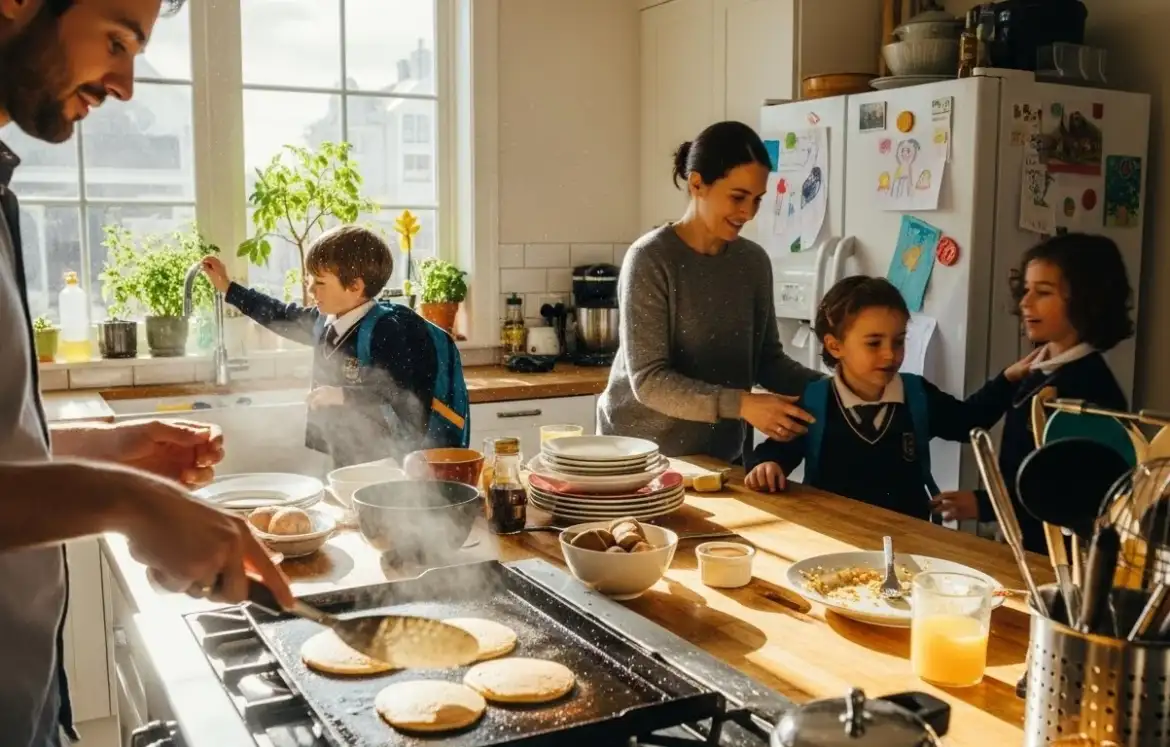
Parenting days feel long when routines fall apart, money feels tight, and energy runs low. Small changes at home can reduce daily friction and help families move through mornings, meals, and bedtime with less stress. These tips focus on simple habits, low-cost ideas, and realistic setups that work in real homes. Each idea aims to save time, lower tension, and help parents respond calmly while keeping family life practical and manageable.
- Set Up a One-Minute Morning Reset
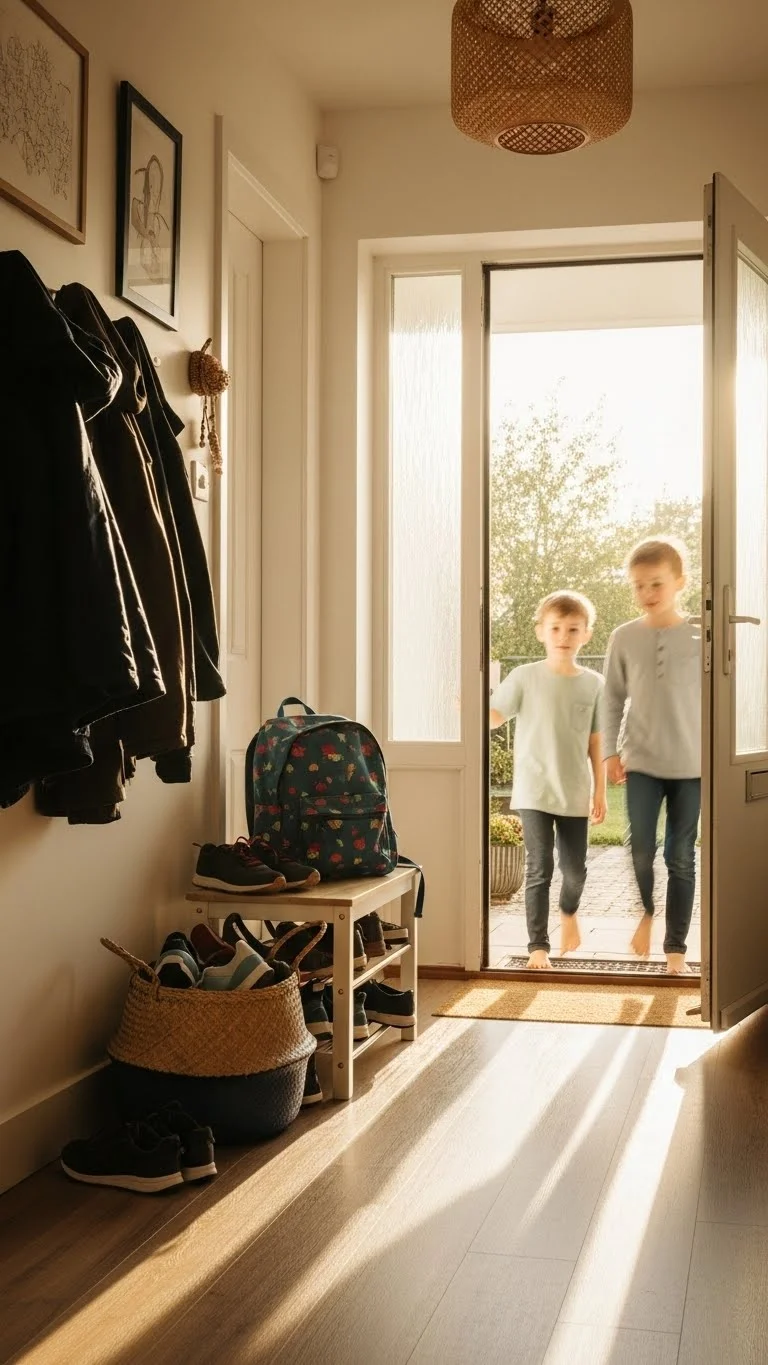
A one-minute reset can change how mornings unfold. Pick one small task everyone does before leaving a room. Shoes in one basket. Cups in the sink. Blankets folded once. Keep it short so no one resists. This habit cuts clutter before it grows. It also lowers stress later in the day. Use a cheap laundry basket or crate. Place it where mess gathers. No labels or charts needed. You can turn it into a quiet game. Set a short timer. When it rings, stop. No fixing or correcting. Over time, kids learn what belongs there. This works best when adults join in. Children copy what they see. A fast reset feels doable, even on rough mornings. The house stays calmer without long cleanups.
- Create a Snack Drawer Kids Can Reach
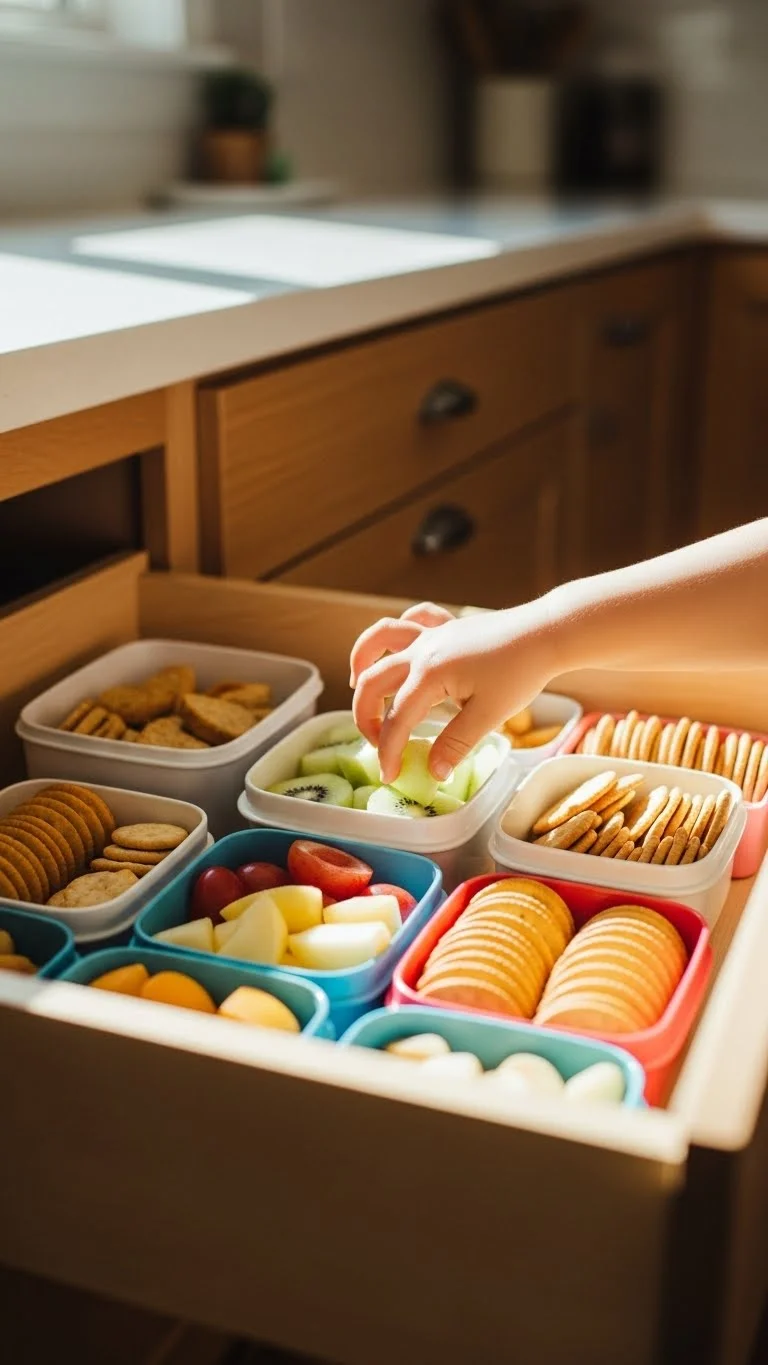
A low snack drawer saves energy and cuts constant requests. Fill it with simple options like apples, bananas, crackers, or homemade popcorn. Skip expensive packaged items. Use small containers from old jars or reused boxes. Refill once a day. Explain simple rules like one snack at a time. This setup helps kids listen to hunger signals. It also gives parents breathing space. No searching or arguing. When kids serve themselves, confidence grows. Spills may happen, but learning follows. Place a small towel nearby so cleanups feel easy.
- Plan Clothes as Sets, Not Pieces

Instead of sorting shirts and pants separately, stack full outfits together. This removes morning decisions. Kids grab one stack and get dressed. Use open shelves or bins. Fold simply. No fancy system required. This saves time and lowers tension before school. Budget tip: reuse shoe boxes or grocery crates. Label with colors or stickers if helpful. When kids help choose sets on weekends, they feel involved. Fewer battles start the day on a calmer note.
- Keep a “Calm Down” Basket in Plain Sight
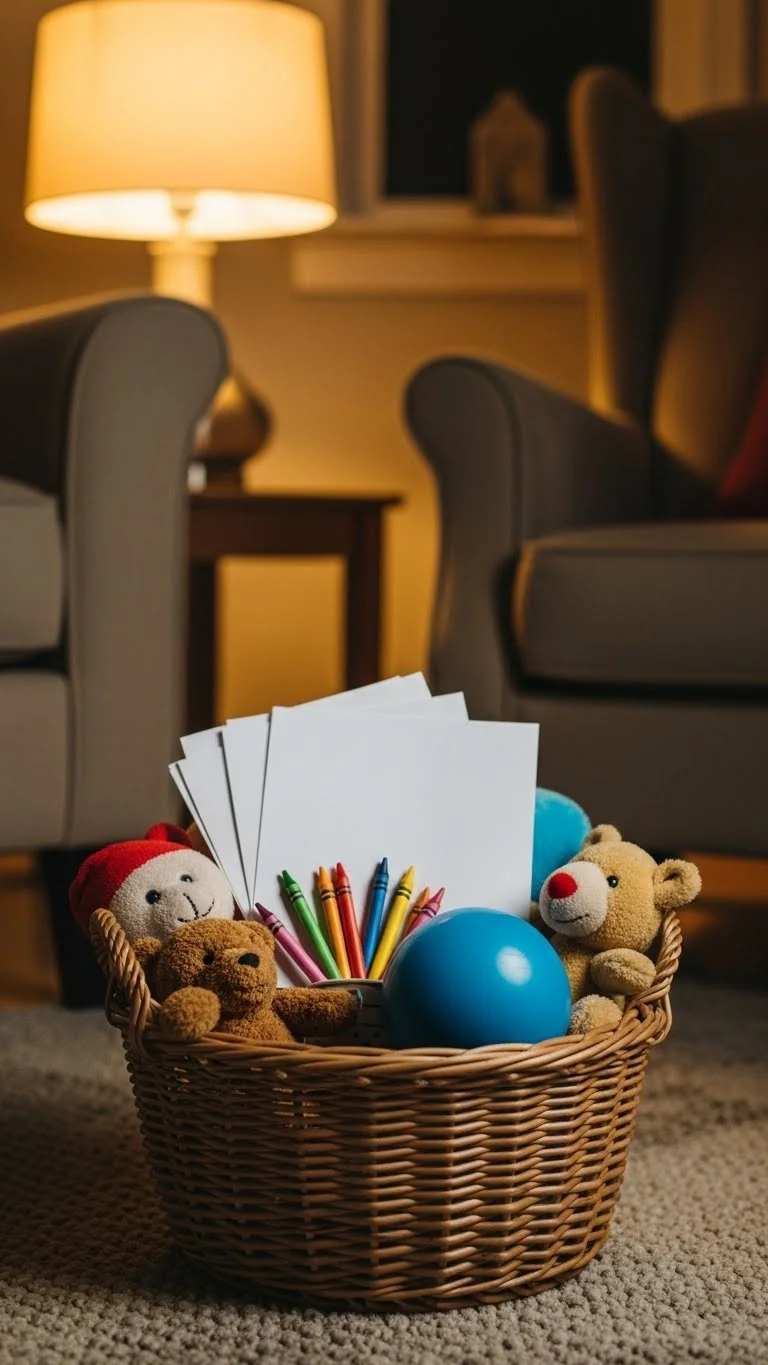
A calm-down basket offers tools during big emotions. Include paper, crayons, a soft toy, or a homemade stress ball. Place it where meltdowns often happen. No hiding. No rules during use. This gives kids a safe outlet. DIY stress balls cost little. Use balloons and rice. Replace items as they wear out. Over time, kids learn to reach for calm instead of shouting. Parents feel less pressure to fix everything fast.
- Use a Simple Dinner Theme Schedule
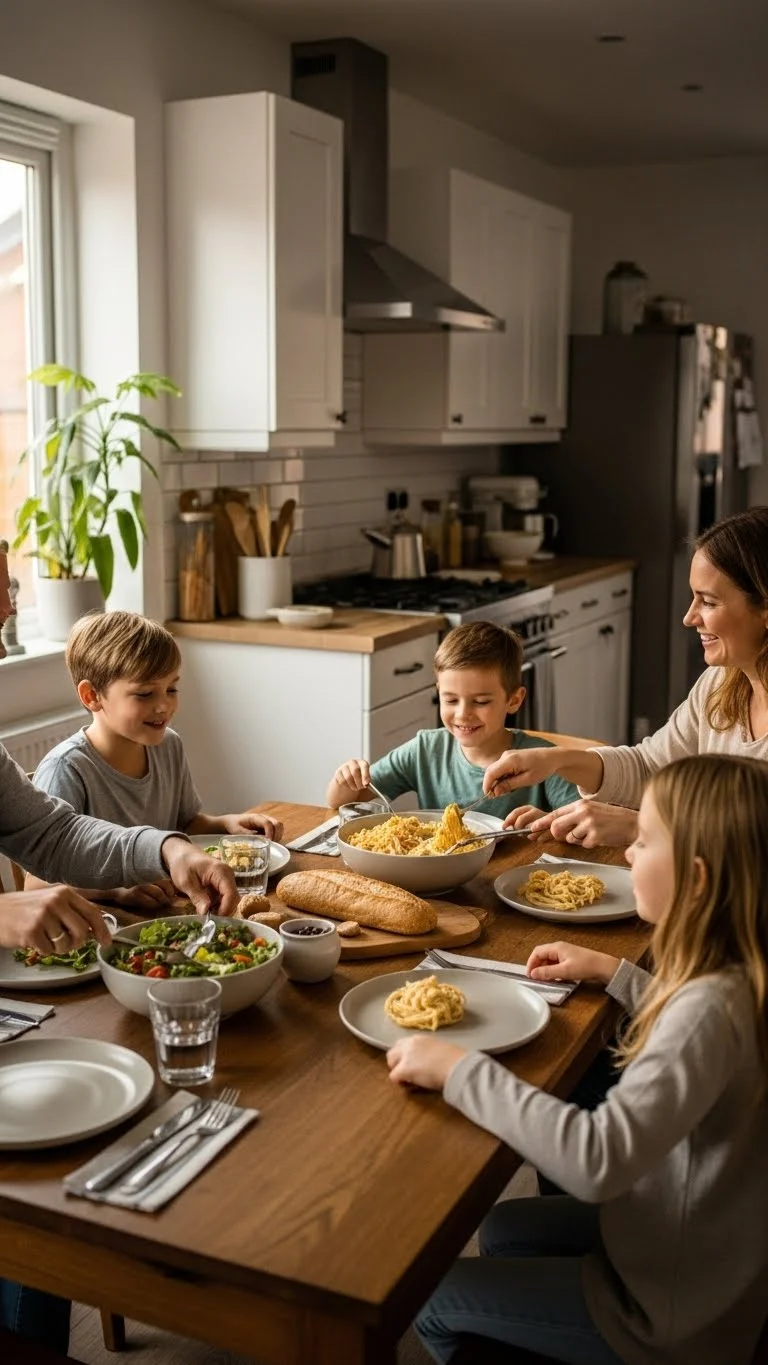
Pick easy dinner themes like pasta night, rice bowls, or soup night. Rotate them weekly. This reduces decision fatigue. Themes guide shopping and lower food waste. Meals stay simple and affordable. Kids know what to expect. Complaints drop. You can swap ingredients based on sales. Write themes on paper or keep them in your head. Flexibility stays. Planning feels lighter.
- Store Cleaning Supplies Where Mess Happens
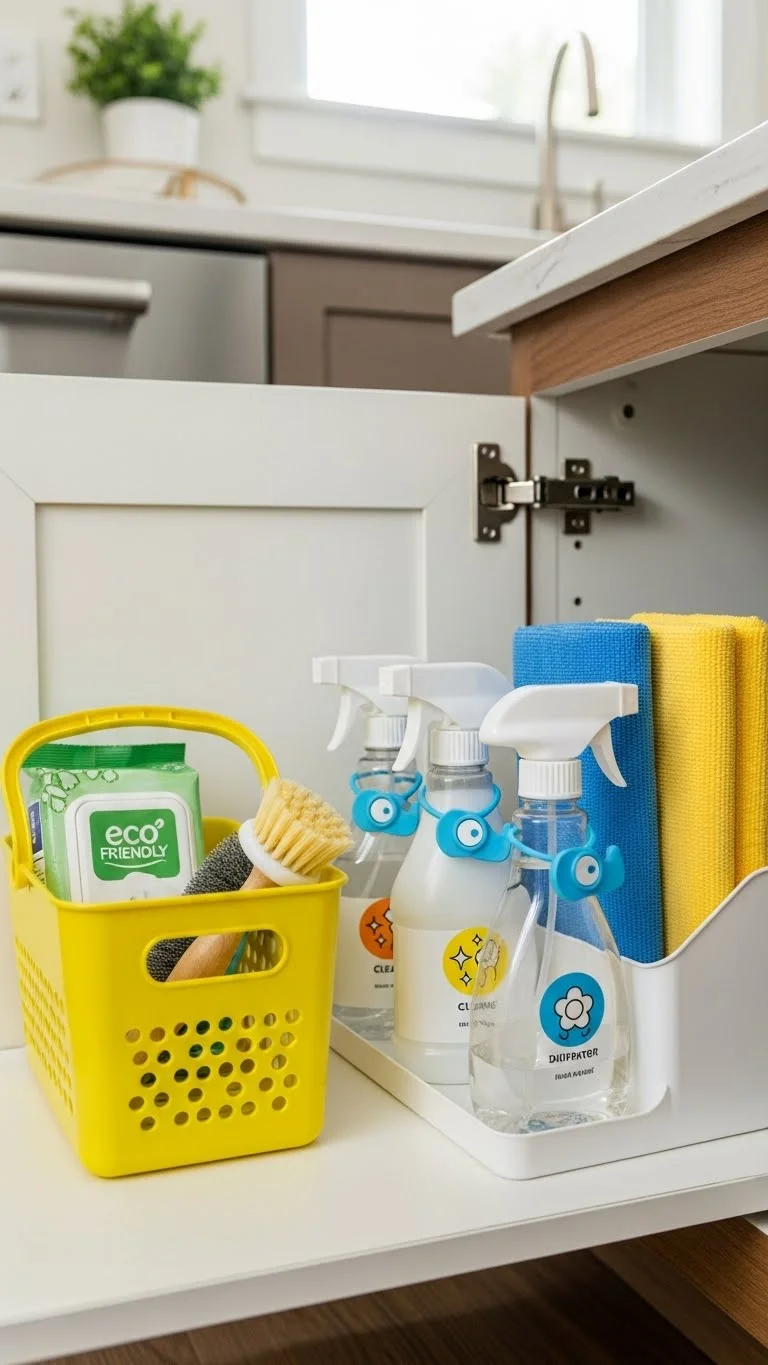
Cleaning feels harder when supplies are far away. Keep cloths, wipes, or spray right where spills usually happen. Place kitchen rags near counters. Keep bathroom wipes under the sink. This saves time and lowers frustration during small messes. You react faster and clean before things spread. Budget-friendly swaps work well here. Old towels cut into squares make great reusable cloths. Store them in small baskets or reused containers. Kids can grab them too, which builds simple responsibility without pressure. Quick access keeps messes from turning into long cleanup sessions.
- Turn Waiting Time Into Connection Time

Waiting happens everywhere. Doctor visits, school pickup, long lines. Instead of rushing to phones, treat these moments as quiet connection time. Ask light questions. Play simple games like spotting colors or counting steps. These small interactions help kids feel seen and calm. No supplies or planning required. Just presence. Over time, children learn patience through shared moments instead of distraction. These pauses often lead to honest talks and laughter. What feels like wasted time becomes a steady part of your relationship.
- Use Clear Bins for Toys
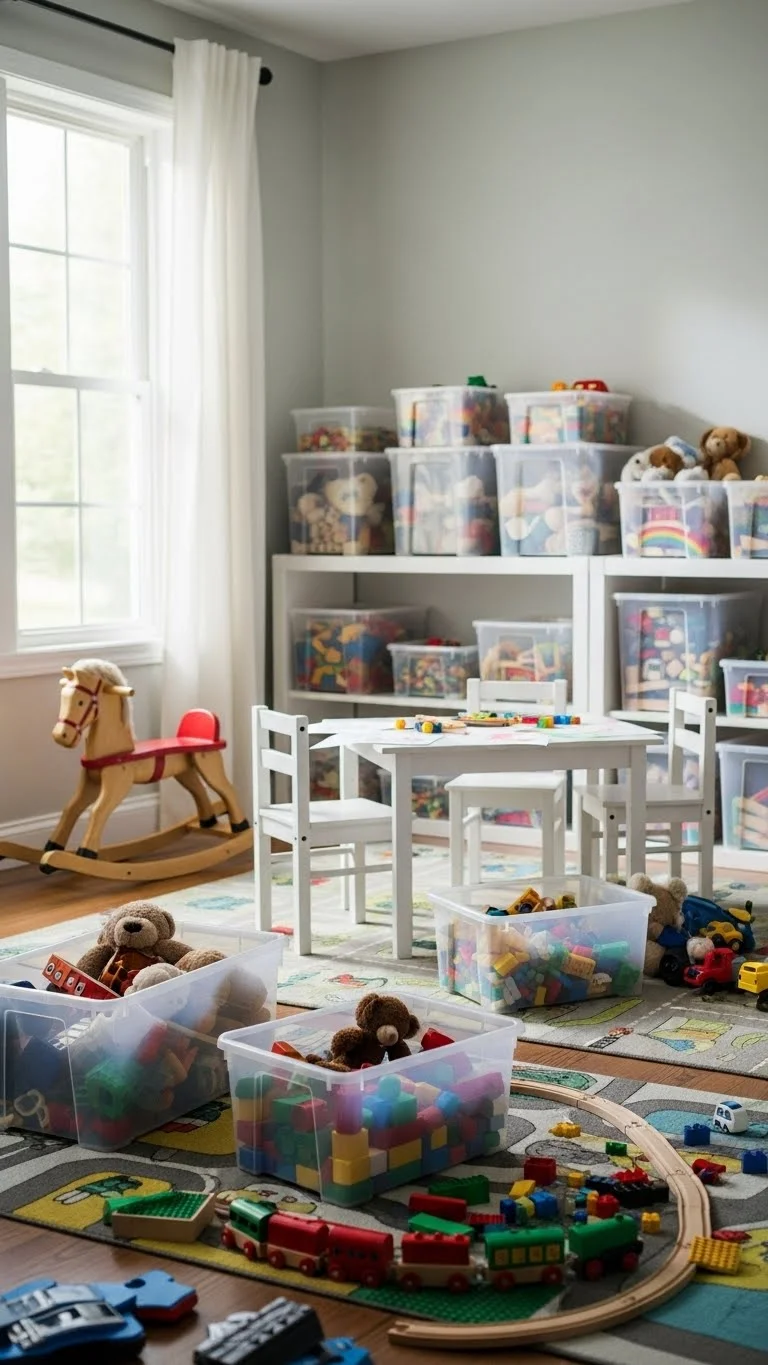
Clear bins help kids see what they own without dumping everything out. When toys stay visible, children choose faster and clean up with less resistance. Sort by type instead of size. Cars in one bin. Blocks in another. This keeps play focused and reduces overwhelm. You don’t need new storage. Reuse food containers, plastic tubs, or old boxes with cut-out windows. Fewer piles on the floor mean fewer broken toys. Cleanup feels shorter and more manageable for everyone.
- Keep a Bedtime Prep Basket
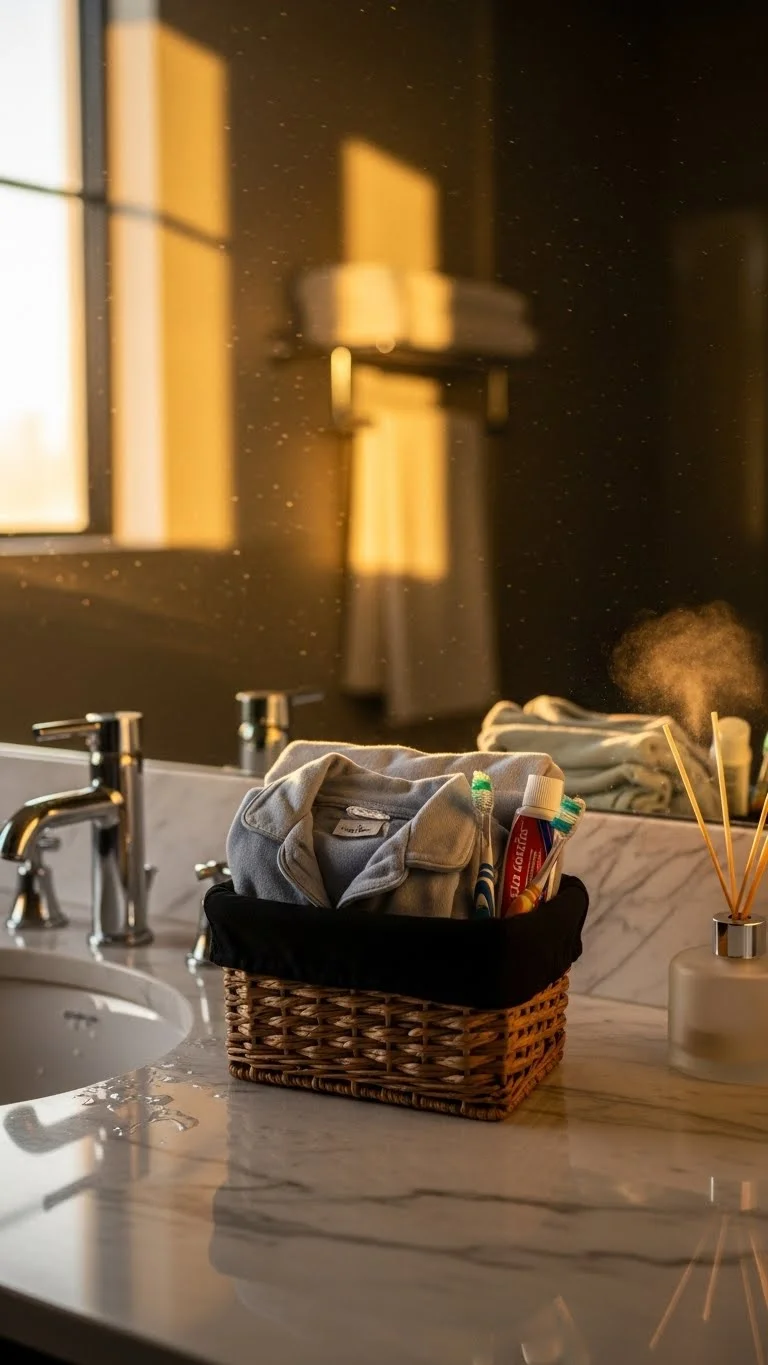
Evenings fall apart when items are scattered. A bedtime prep basket keeps pajamas, toothbrushes, wipes, and hair ties in one place. Grab once and move through the routine without searching. This lowers tension when energy runs low. Use a simple basket, tote, or cloth bag. Refill it during the day so nights stay smooth. Kids learn what comes next without reminders. Predictable steps bring calm and help bodies slow down naturally before sleep.
- Serve Breakfast in Stages
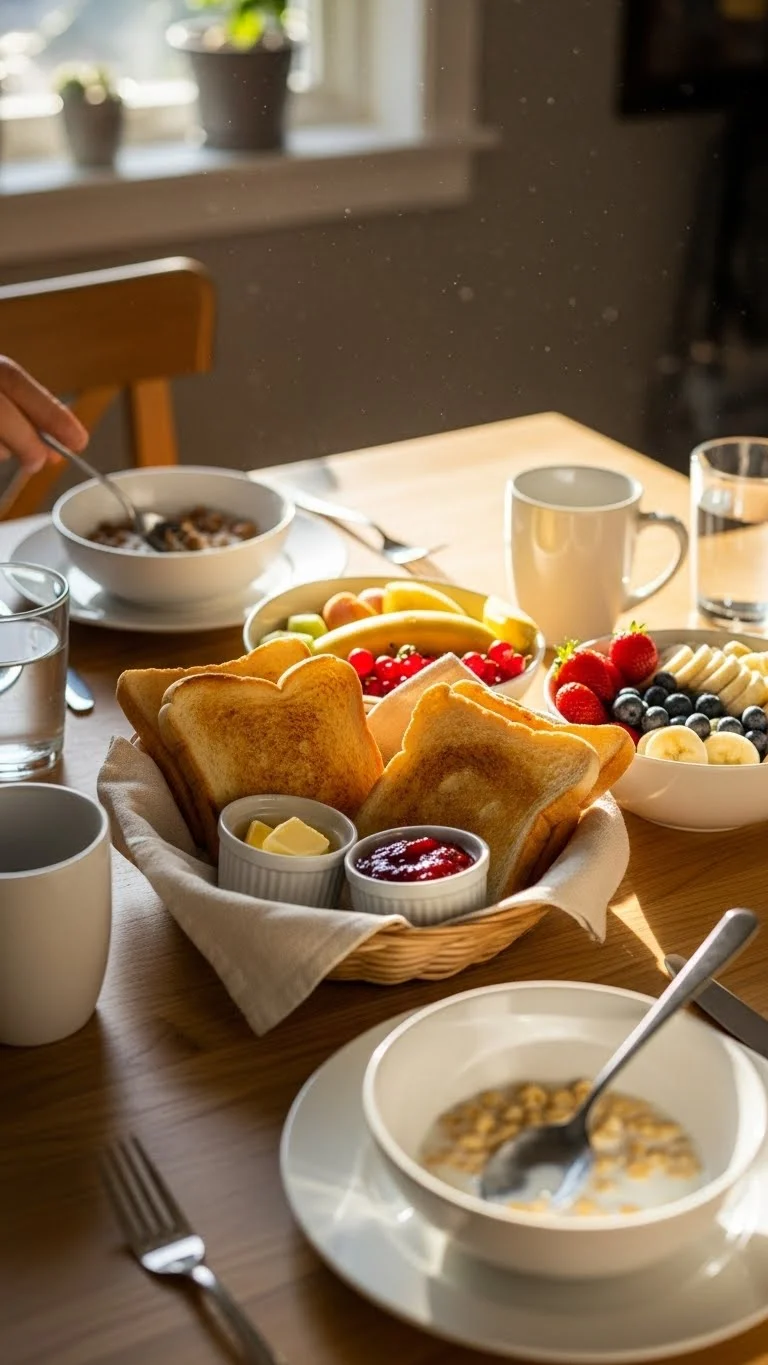
Serving breakfast in stages helps mornings feel less rushed. Start with fruit or toast while preparing the main meal. Hunger eases right away, which reduces crankiness. Kids stay calmer and more patient. This works well on busy school days. Use seasonal or frozen fruit to save money. Even small portions help. Parents gain time without pressure. Staggered serving keeps energy steady and turns breakfast into a smoother start instead of a race against the clock.
- Use Music for Daily Changes
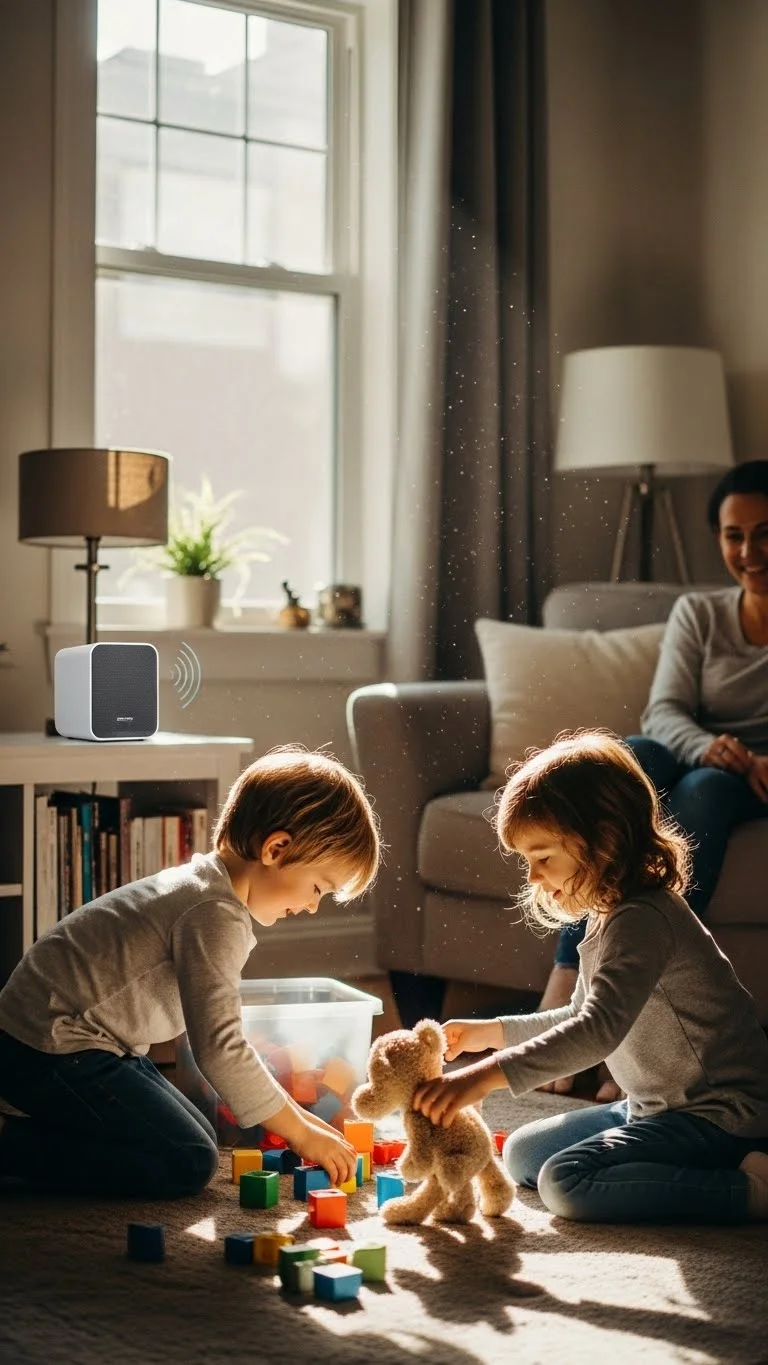
Music helps guide daily changes without raised voices. Play one familiar song during cleanup, dressing, or hand washing. When the song ends, the task ends. This creates a clear start and finish that kids understand quickly. No reminders or counting needed. Free playlists or radio work just fine. The rhythm keeps energy light and playful. Over time, kids respond faster because music feels friendly, not demanding. Parents also stay calmer since the cue does the work for them. Simple sound cues bring order without pressure.
- Keep Visual Reminders Short and Simple
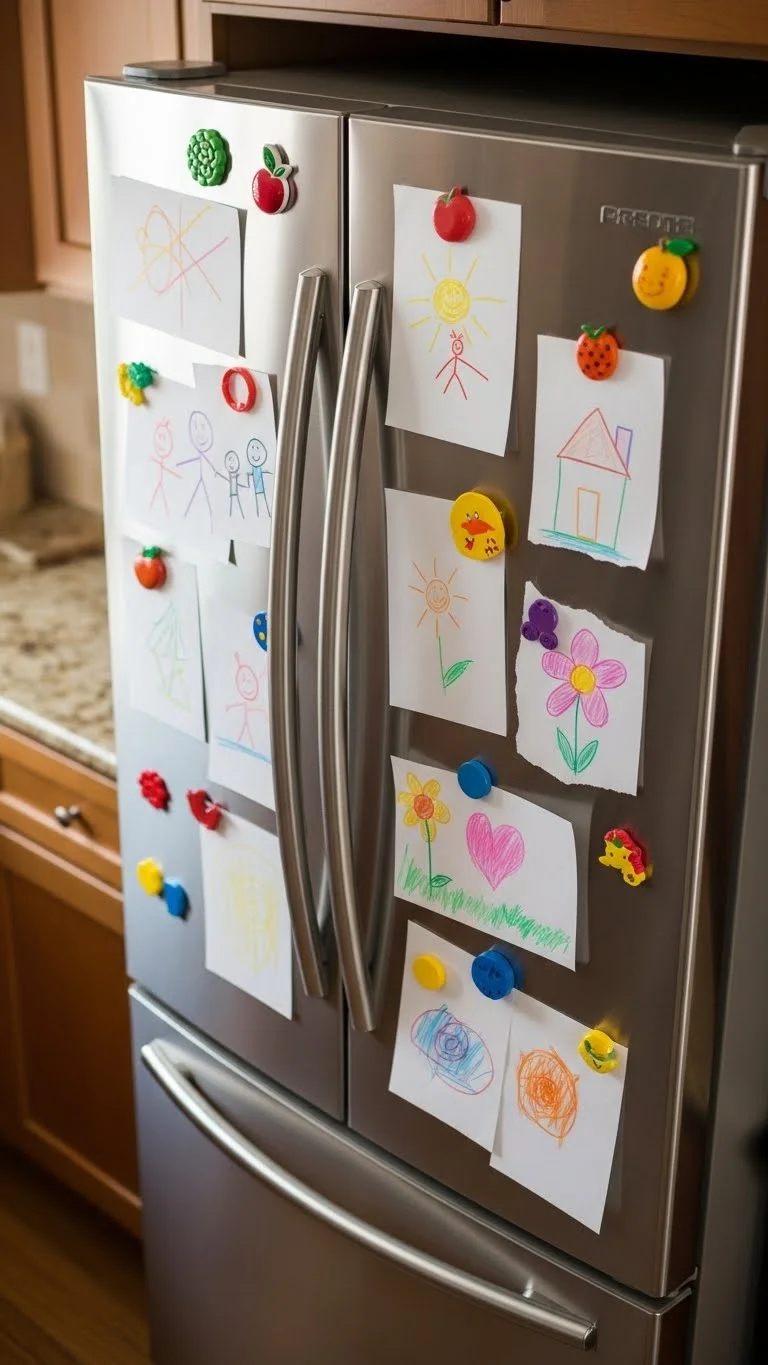
Long instructions confuse kids, especially when tired or distracted. Simple drawings work better. A shoe picture shows where shoes belong. A plate drawing hints at clearing dishes. These visuals stay easy to understand at a glance. You only need paper and a marker. Tape them at eye level for kids. This cuts repeated reminders and lowers frustration on both sides. Children begin to act on cues without being told. Visual reminders support independence while keeping daily routines calm and predictable.
- Plan One Outfit Kids Fully Control
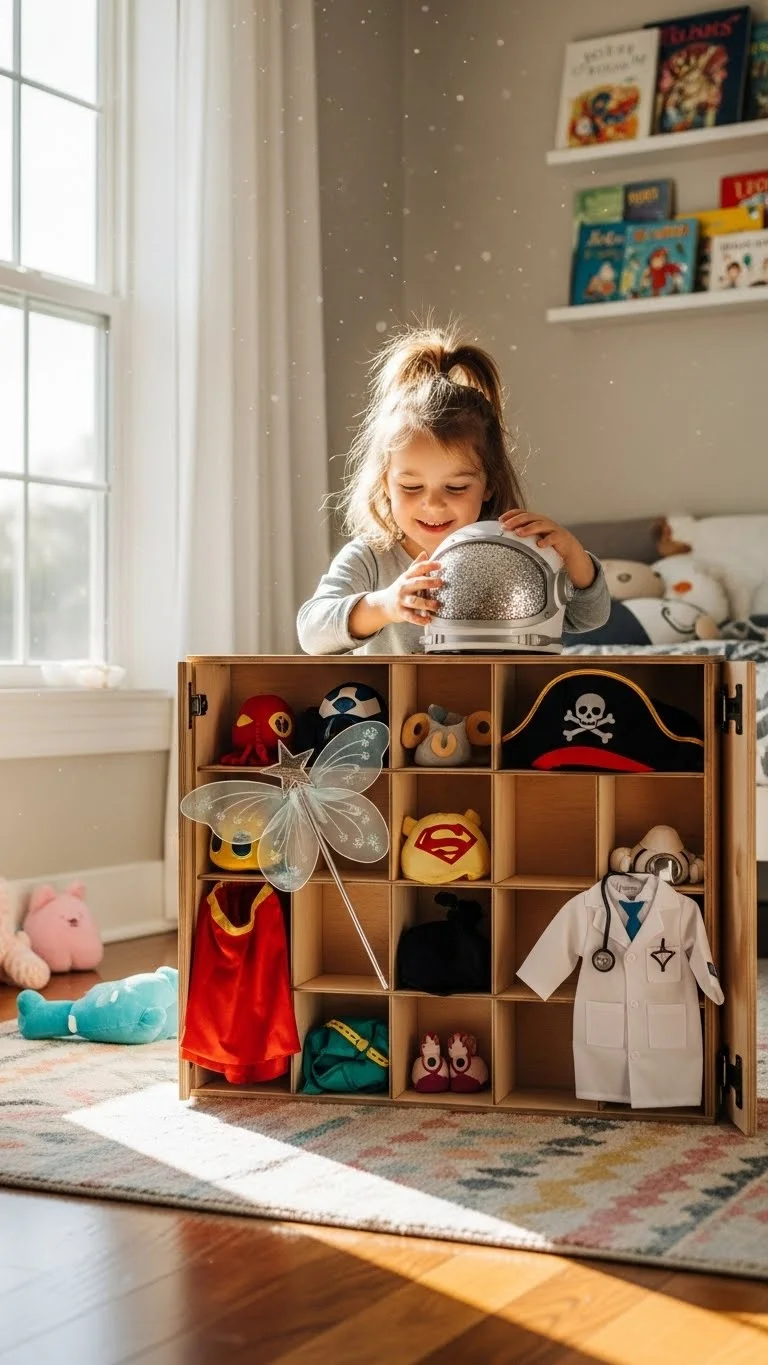
Giving kids control once a week reduces daily power struggles. Set aside one outfit they choose completely. Colors don’t have to match. Comfort comes first. This builds confidence and lets kids express themselves safely. Parents still guide choices the rest of the week. No new clothes required. Use what’s already in the closet. When children know their choice day is coming, resistance drops on other mornings. A small amount of freedom goes a long way toward calmer routines.
- Create a Shared Lost-Item Basket
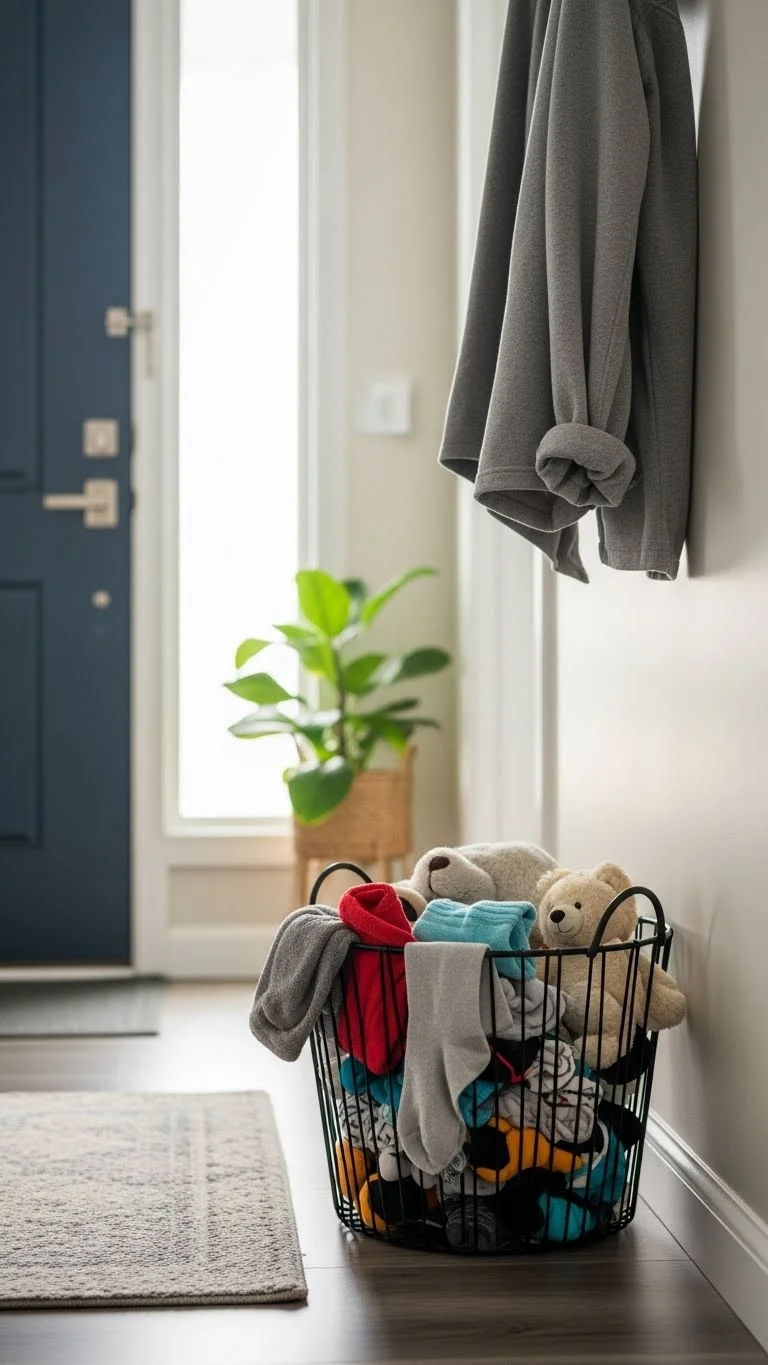
Lost items cause stress and blame. A shared basket solves that. Any found item goes straight into the basket. No searching. No lectures. Everyone checks it daily or weekly. This keeps clutter from spreading and saves time. A cardboard box or old laundry bin works well. Kids learn responsibility by checking for their belongings regularly. Items return faster, and arguments fade. One simple spot brings order without turning it into a big task.
- Use a Timer for Fair Turn-Taking
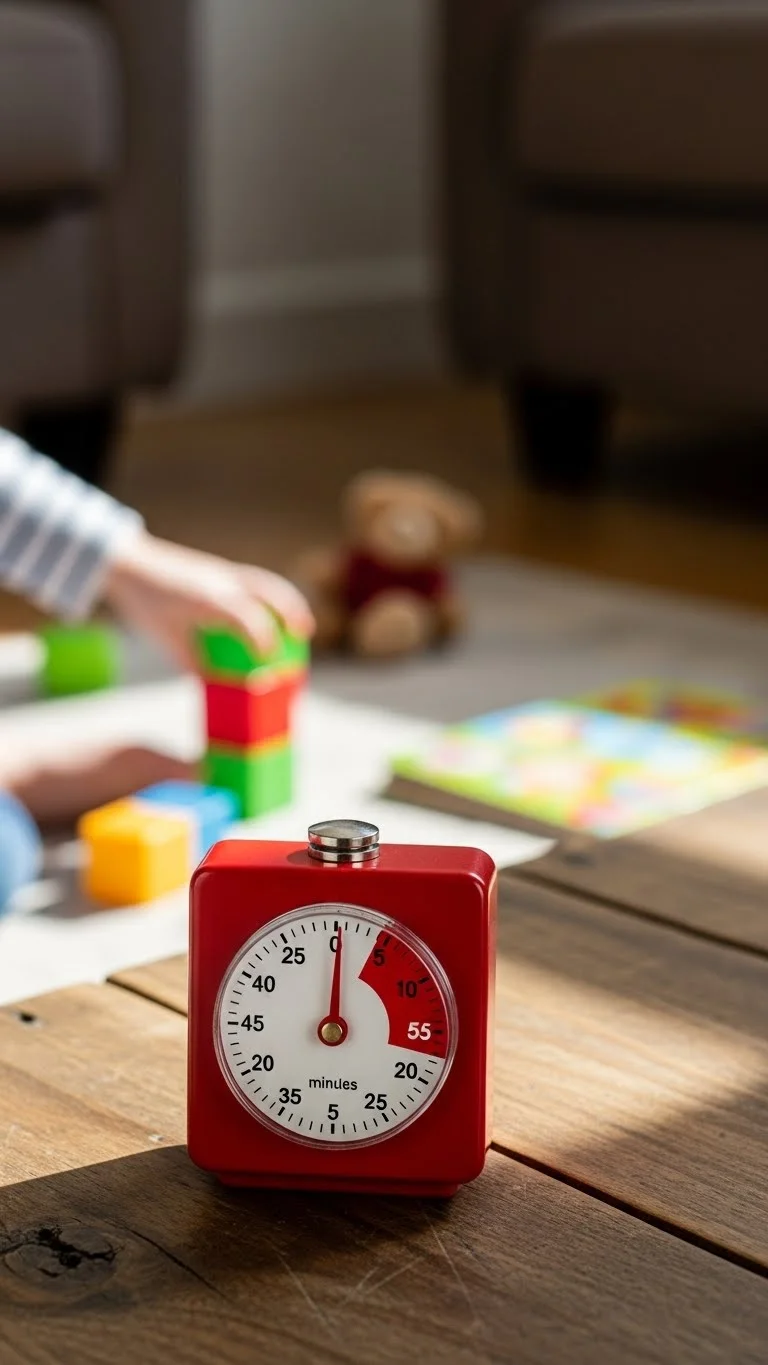
Turn-taking becomes easier with a timer. Set it for games, toys, or screen use. When it rings, turns switch. No debates. No counting aloud. Kids accept the sound as final. This removes parents from the middle of disputes. Basic timers cost little, and phone timers work too. Consistent timing helps kids learn patience and fairness naturally. Clear limits lower tension and keep playtime smoother for everyone involved.
- Keep a “Yes” Shelf Within Reach
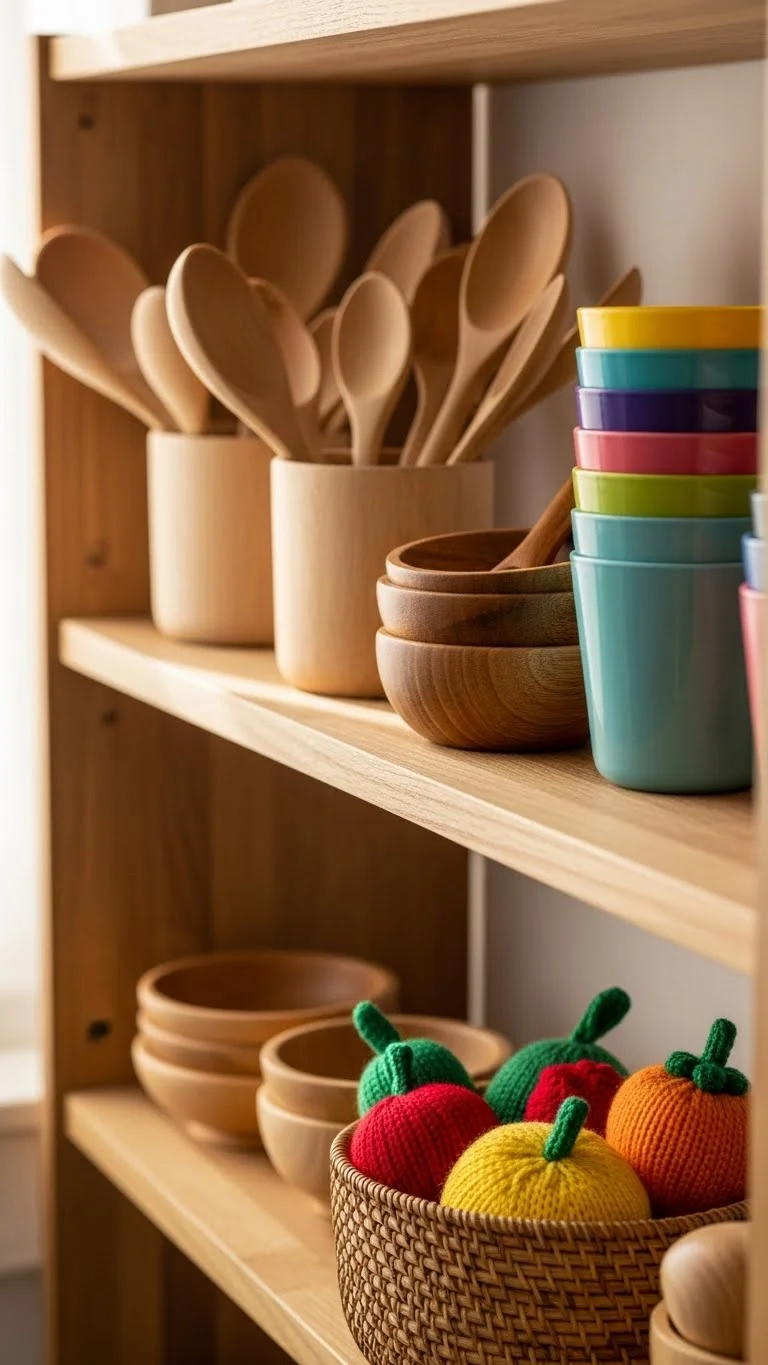
A “yes” shelf gives kids safe items they can explore freely. Everything on this shelf is allowed. No constant corrections. No worry. Fill it with everyday objects like wooden spoons, empty containers, soft cloths, or stacking cups. This works well during cooking or busy moments. You don’t need new toys. Use what you already have at home. When kids have freedom within clear limits, they stay focused longer. Parents gain breathing space while children play calmly and confidently.
- Prepare After School Snacks Ahead
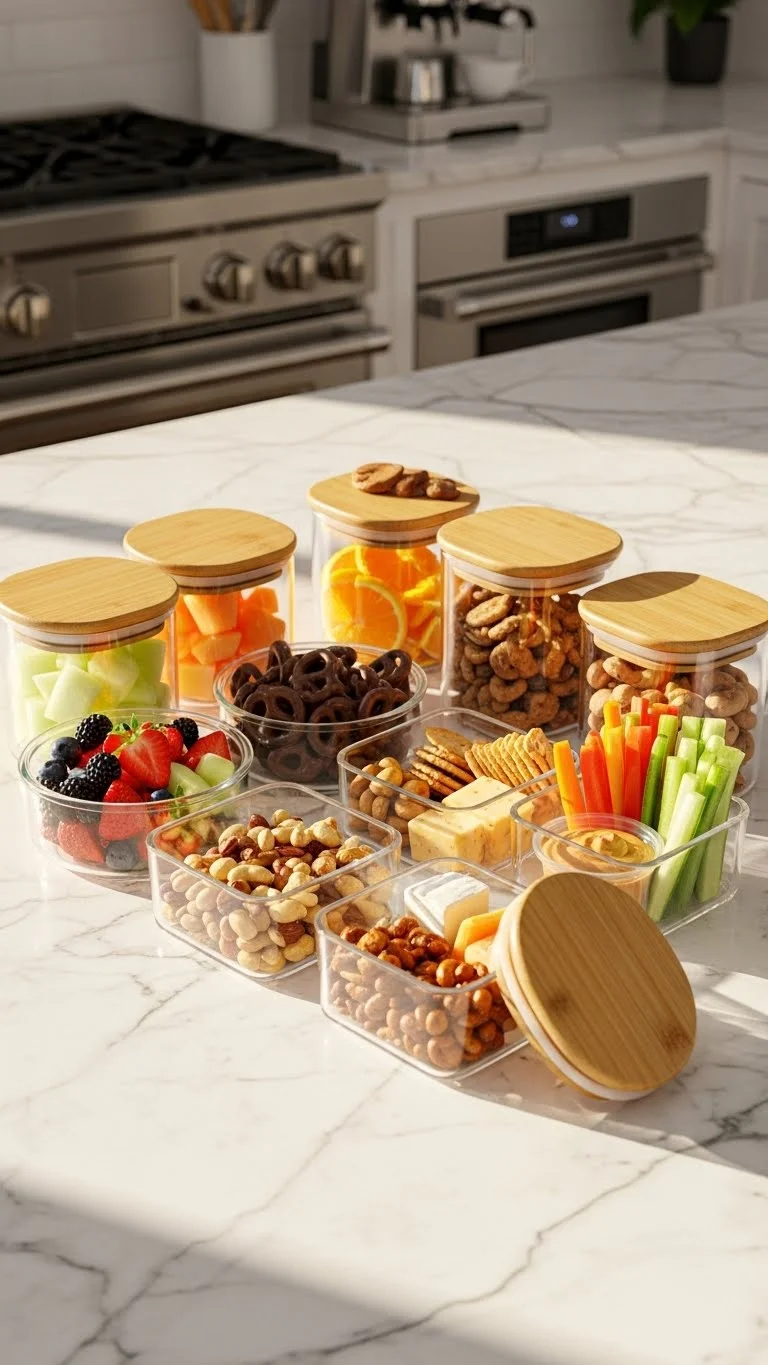
Hunger hits fast after school. Preparing snacks earlier in the day prevents meltdowns. Cut fruit, portion crackers, or save leftovers in small containers. Keep them at kid height in the fridge. This saves time and keeps moods steady. Budget-friendly choices work well here. Use seasonal fruit or bulk items. When snacks are ready, kids settle faster and parents avoid rushed decisions. A little prep goes a long way toward smoother afternoons and calmer homework time.
- Choose One Spot for the Family Calendar
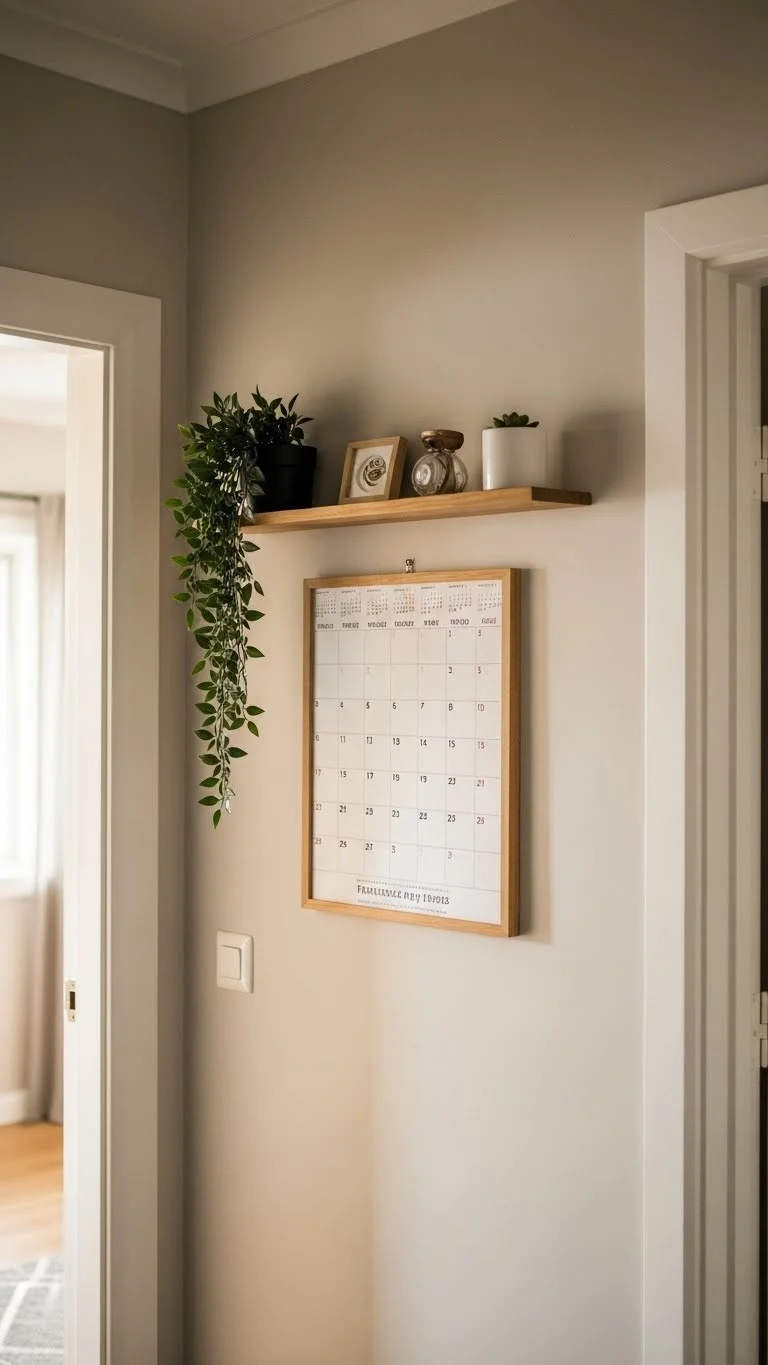
A single calendar spot keeps everyone on the same page. Pick one visible place like a hallway or kitchen wall. Add school days, activities, and reminders. This reduces confusion and repeated questions. Paper calendars work just fine. No apps required. Let kids check it daily so they learn what’s coming next. Predictable plans help children feel secure. Clear scheduling lowers stress and keeps days moving without last-minute surprises.
- Keep Car Essentials in One Grab Bag
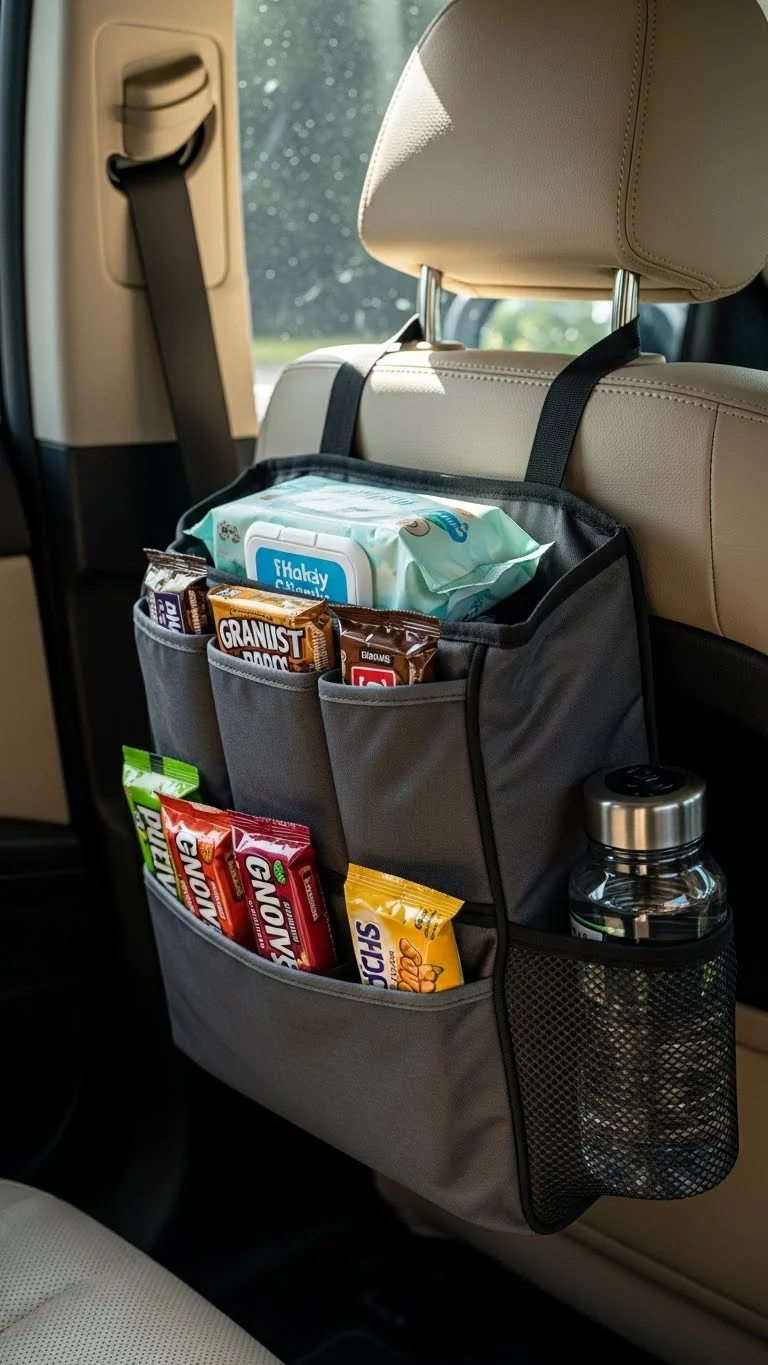
Car trips feel harder without basics nearby. A grab bag keeps wipes, napkins, snacks, and water in one place. Store it on the backseat or floor. Refill once a week. Old tote bags or backpacks work well. This setup handles spills, hunger, and small messes quickly. Parents stay relaxed, and kids feel cared for during rides. Simple prep turns short trips and long drives into smoother experiences.
- Pack School Bags the Night Before

Packing bags at night saves mornings. Books, clothes, and lunch items go in before bedtime. This removes rushing and forgotten items. Kids learn responsibility by checking their own bags. A short checklist helps at first. Over time, the habit sticks. Even five minutes makes a difference. Calm nights lead to calmer mornings, and everyone starts the day with less pressure.
- Rotate Toys Instead of Adding More
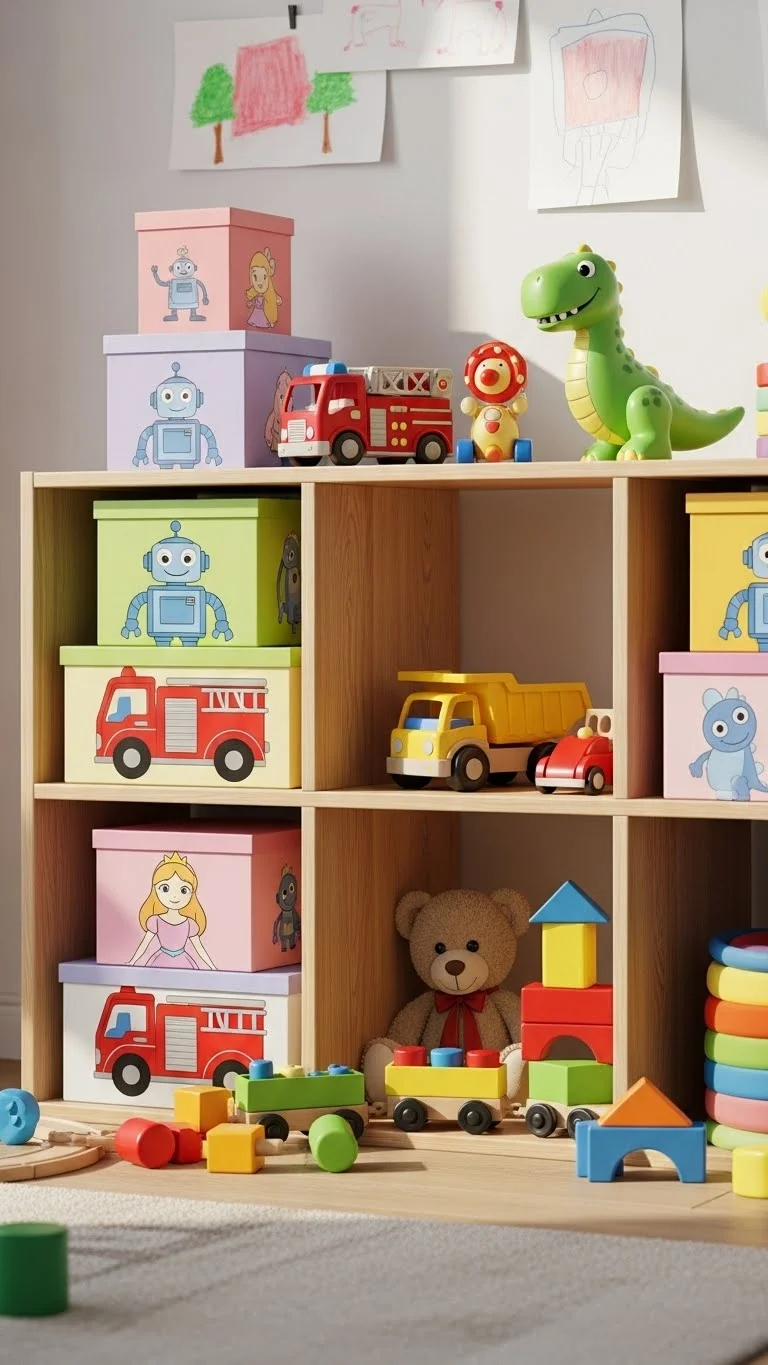
Too many toys overwhelm kids and clutter floors. Rotating toys keeps play interesting without buying anything new. Store half the toys in a box or closet. Leave the rest out for daily use. After a few weeks, swap them. Interest returns naturally. This method keeps rooms calmer and makes cleanup faster. Use cardboard boxes or old storage bins. Kids focus longer when fewer choices surround them. Parents spend less time picking up and more time enjoying play together.
- Limit Choices to Two Options
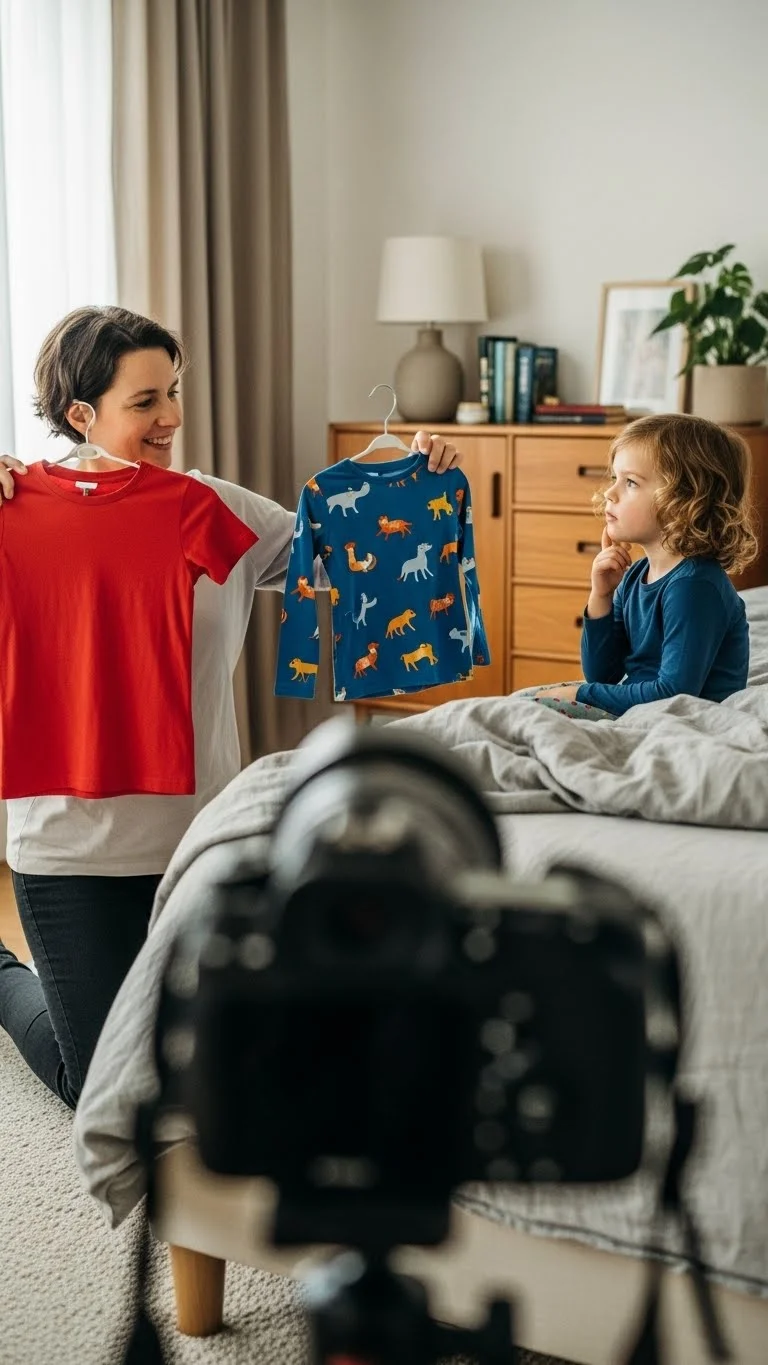
Too many options cause hesitation and frustration. Offering two choices keeps decisions simple. This works for clothes, snacks, or activities. Both options should feel acceptable to you. Kids feel heard while parents keep control. No arguing over endless alternatives. This approach saves time and reduces power struggles. It also builds confidence in decision-making. Simple choices support smoother routines and calmer responses throughout the day.
- Write Down Kind or Funny Moments

Keeping a small notebook for kind or funny moments shifts focus during hard days. Jot down things kids say or do that make you smile. No long writing required. A few words or a quick sketch works. Read them on tough evenings or quiet mornings. Any notebook will do. This habit helps parents stay grounded and patient. Positive moments feel easier to remember when written down and revisited.
- Pick One Weekly Reset Time
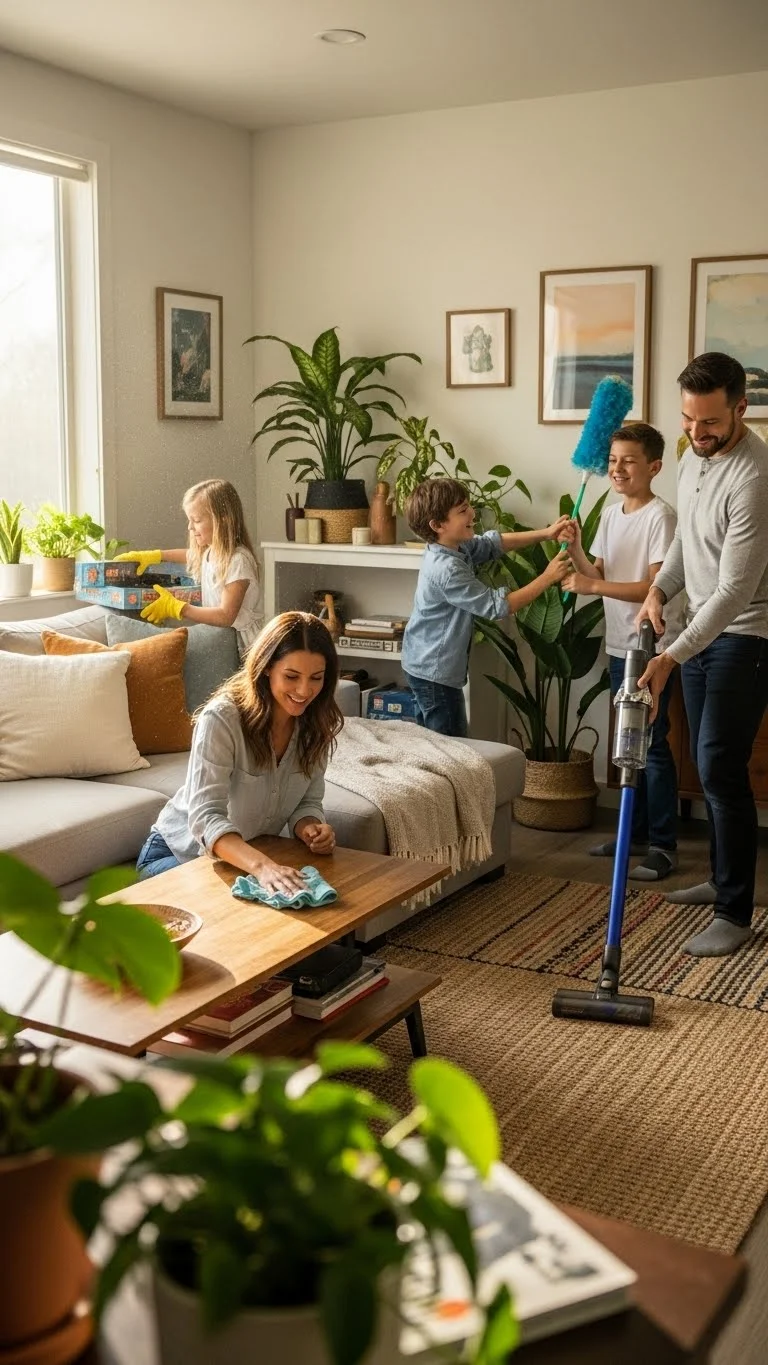
A weekly reset keeps mess from building up. Choose one short time each week for light cleaning and sorting. Play music and work together. Stop when time is up. This keeps the task manageable and avoids burnout. Focus on basics like laundry, floors, and clutter. Perfection isn’t the goal. Regular resets keep homes functional and reduce stress during busy weekdays. Small effort on one day saves time all week.
- End Each Day with One Shared Win

Ending the day with one shared win brings calm before sleep. Each person shares one good moment from the day. Keep it short and relaxed. This builds connection and helps kids reflect on positive experiences. No preparation required. Even hard days usually have one small bright spot. Over time, this routine strengthens communication and helps everyone wind down together. Days close on a steady, reassuring note.
Conclusion
Parenting feels lighter when routines stay simple and realistic. Small habits, clear spaces, and shared effort reduce daily tension without adding cost or pressure. These tips show how minor changes can save time, lower frustration, and support calmer moments at home. You don’t have to try everything at once. Choose one idea that fits your family and build from there. Over time, these small shifts create steadier days, smoother transitions, and a home that feels more manageable for everyone.
