

24 Toddler Discipline Ideas That Actually Work


Toddlers test limits while learning how the world works. Discipline at this age is less about punishment and more about teaching clear patterns of behaviour. Parents searching for toddler discipline ideas usually want calm, realistic guidance that fits daily life. The ideas below focus on simple actions, steady routines, and low-cost habits that help toddlers feel safe while learning boundaries. Each method works best when used with patience and consistency.
1. Set Clear and Simple Rules 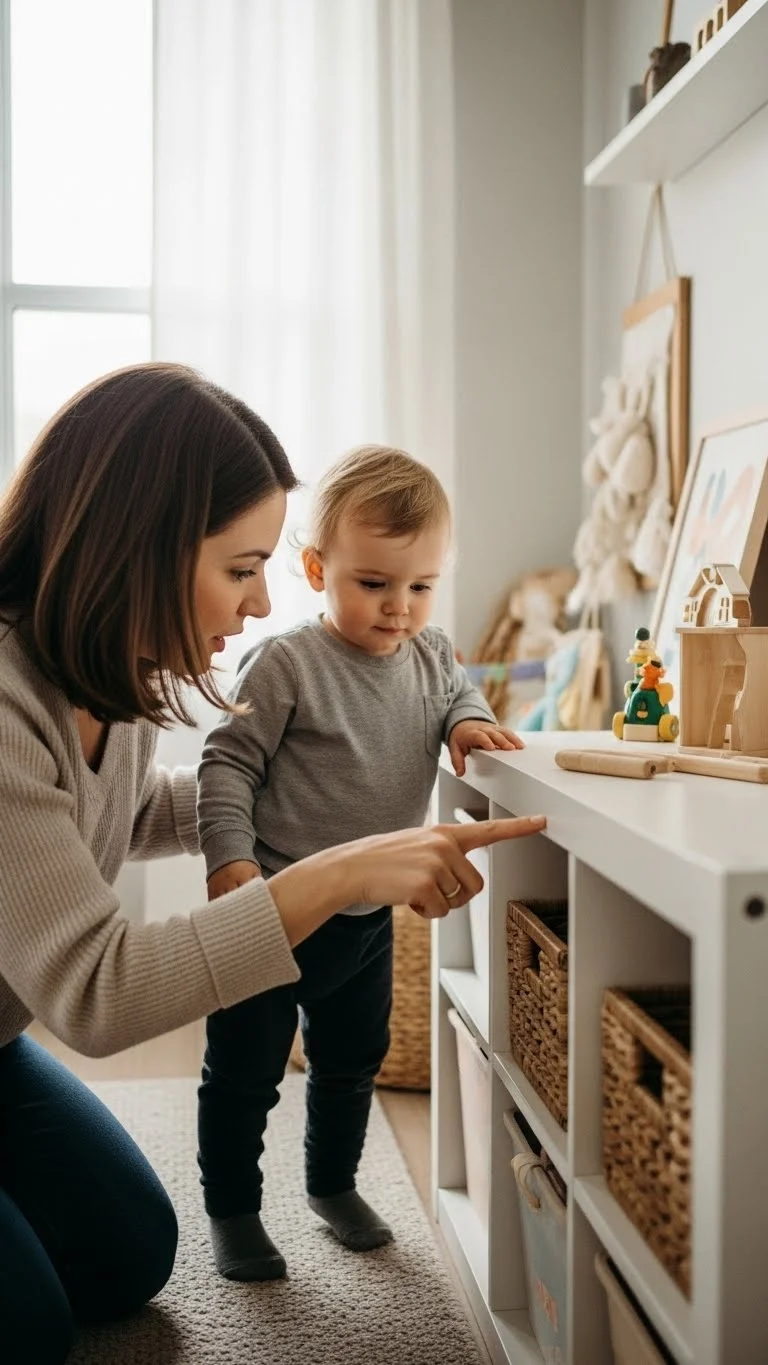
Toddlers respond better to short rules they can remember. Keep rules brief. “Toys stay on the floor” works better than long explanations. Say the rule the same way each time. This builds familiarity. Speak slowly and stay calm. Loud voices often confuse toddlers. Post rules as pictures if helpful. Draw stick figures on paper and tape them near play areas. This costs almost nothing and helps toddlers connect actions with expectations. When a rule is broken, restate it and guide your child back. Avoid lectures. Show them what to do instead. Repetition matters more than perfection. Over time, your toddler starts to predict what comes next. That predictability brings comfort. Rules feel safer when they stay the same at home, at a relative’s house, or at the store. Ask caregivers to use the same wording. Consistency across adults prevents mixed signals. Simple rules also make follow-through easier for tired parents. If you can’t remember the rule, your toddler won’t either.
2. Offer Two Simple Choices 
Choices help toddlers feel some control. Keep choices limited to two options. “Red cup or blue cup” works well. Too many options lead to meltdowns. Both choices should be acceptable to you. This avoids power struggles. Use choices during daily routines like dressing or snack time. It costs nothing and saves energy. If your toddler refuses both options, calmly choose for them. Say it out loud. “You didn’t pick, so I’ll choose.” Stay neutral. No scolding. Over time, toddlers learn that choices come with limits. This supports cooperation without force. Choices also distract from unwanted behavior. A toddler focused on choosing often forgets to argue. Use simple language and show the options physically. Toddlers understand better when they can see and touch. This small habit builds decision skills while keeping boundaries clear.
3. Get Down to Their Eye Level 
Physical position changes how toddlers listen. When you kneel or sit, you feel less intimidating. Your toddler can see your face clearly. This builds a connection. Use a gentle voice and simple words. Eye-level talks work well during conflict. Instead of shouting across the room, move closer. This often stops the behavior faster. It also models respectful communication. No tools or purchases required. Just pause and bend down. If your toddler is upset, wait until breathing slows. Then speak. Short phrases work best. “Hands are not for hitting.” Pair words with gentle guidance. Over time, your toddler starts to expect calm correction instead of loud reactions. That sense of safety reduces repeat behavior. Eye-level communication also helps shy or sensitive toddlers feel heard.
4. Use Natural Consequences 
Natural consequences teach cause and effect. If toys are thrown, the toys rest for a while. No threats needed. Explain briefly. “Toys rest when thrown.” Follow through calmly. This method saves money and energy. Avoid long explanations. Let the experience teach the lesson. Stay nearby and supportive. Toddlers may cry at first. That’s normal. Comfort them without giving back the item right away. Over time, they connect actions with outcomes. Avoid unrelated punishments. Those confuse toddlers. Natural consequences feel fair and predictable. Use them often during play, meals, and routines. This approach helps toddlers learn responsibility in a gentle way.
5. Catch Good Behaviour Early 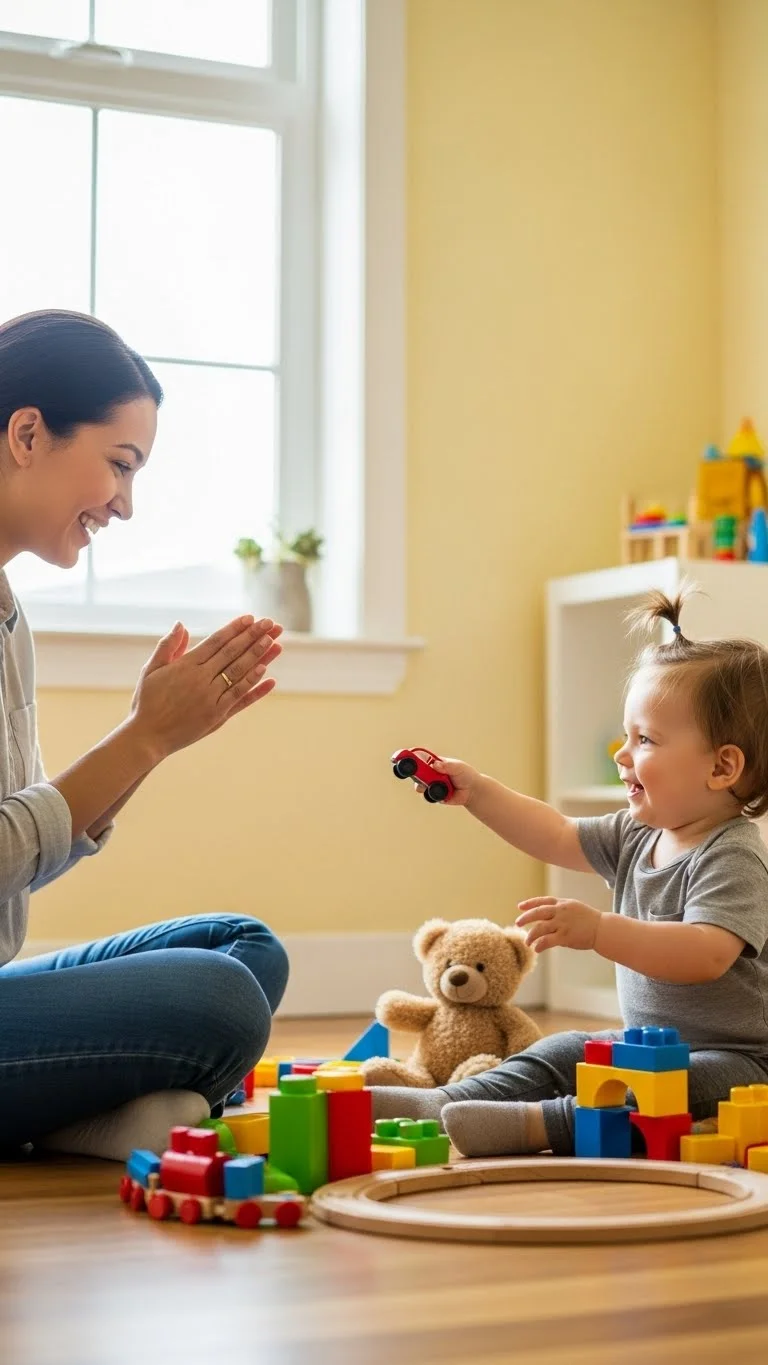
Notice positive actions right when they happen. Say what you see. “You shared the blocks.” This reinforces the behavior you want to see again. Keep praise simple. No need for rewards or treats. Words and smiles work well. This costs nothing and shifts focus away from misbehavior. Many toddlers act out to get attention. When attention comes from good behavior, negative actions often fade. Try to comment on small wins. Sitting calmly. Using gentle hands. Waiting briefly. These moments add up. Over time, your toddler learns which actions bring connection. That learning shapes daily behavior more than constant correction.
6. Keep Routines Predictable
Routines give toddlers a sense of order. Meals, naps, and bedtime should follow a similar pattern each day. This reduces resistance. Use simple cues. A song before cleanup. A book before bed. These cues cost nothing and signal what comes next. Toddlers often resist sudden changes. Predictable routines lower stress for everyone. If a routine must change, give a short heads-up. “One more minute, then bath.” Use a timer on your phone if helpful. Over time, routines become automatic. That makes discipline easier because fewer surprises lead to fewer meltdowns.
7. Stay Calm During Big Feelings
Toddlers borrow emotional cues from adults. When you stay calm, they calm faster. Take a breath before reacting. Speak slowly. Avoid long talks during meltdowns. Simple phrases work best. “You’re upset. I’m here.” This shows support without giving in. No special tools required. Your presence matters most. After the storm passes, briefly restate the rule. Over time, toddlers learn that feelings are allowed, but limits stay. This balance builds trust and reduces repeat outbursts.
8. Redirect With Purpose 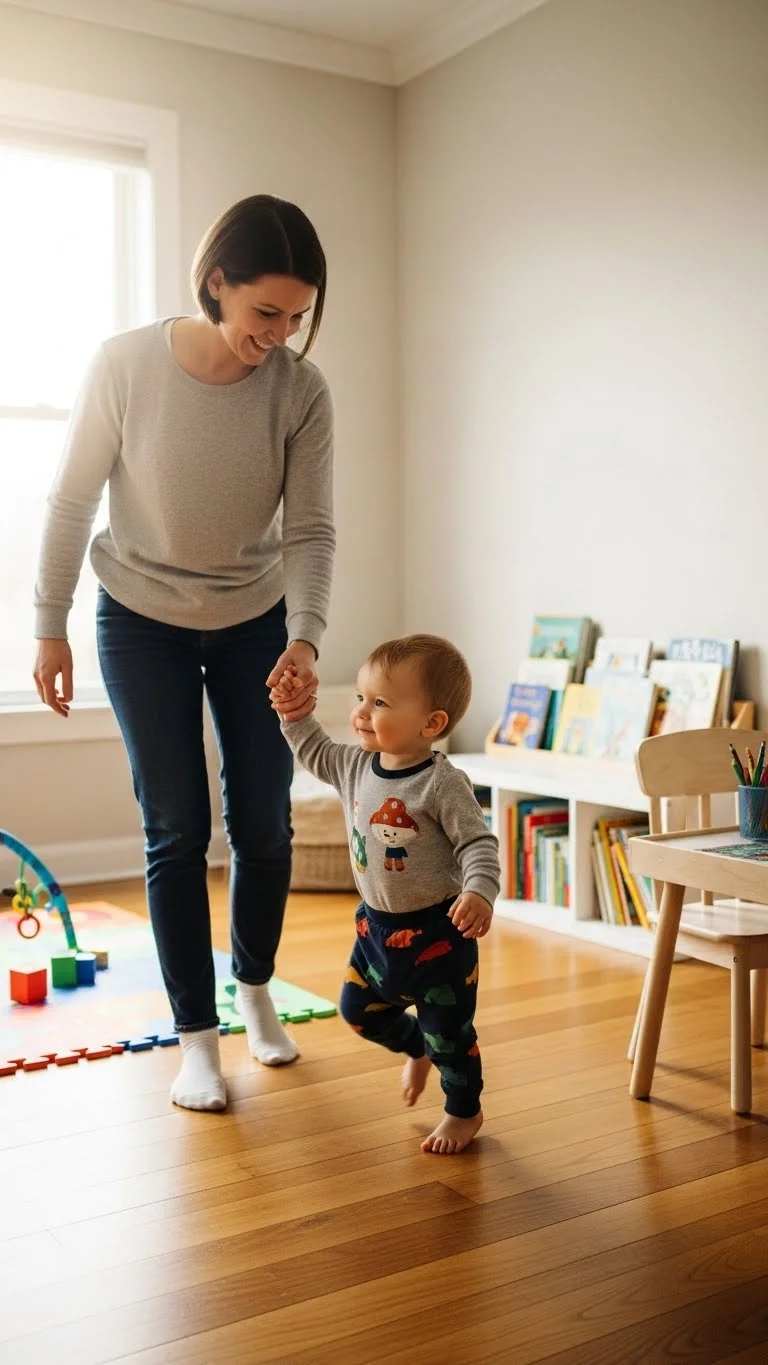
Redirection works well for toddlers with short attention spans. When behavior heads in the wrong direction, guide them toward a safe option. Keep alternatives ready. If they throw food, offer a ball later. If they climb furniture, lead them to a cushion on the floor. This costs little and avoids conflict. Use calm words and gentle hands. Redirection teaches what is allowed, not just what is off-limits. Over time, toddlers learn acceptable outlets for energy and curiosity.
9. Use Simple Time-Apart Moments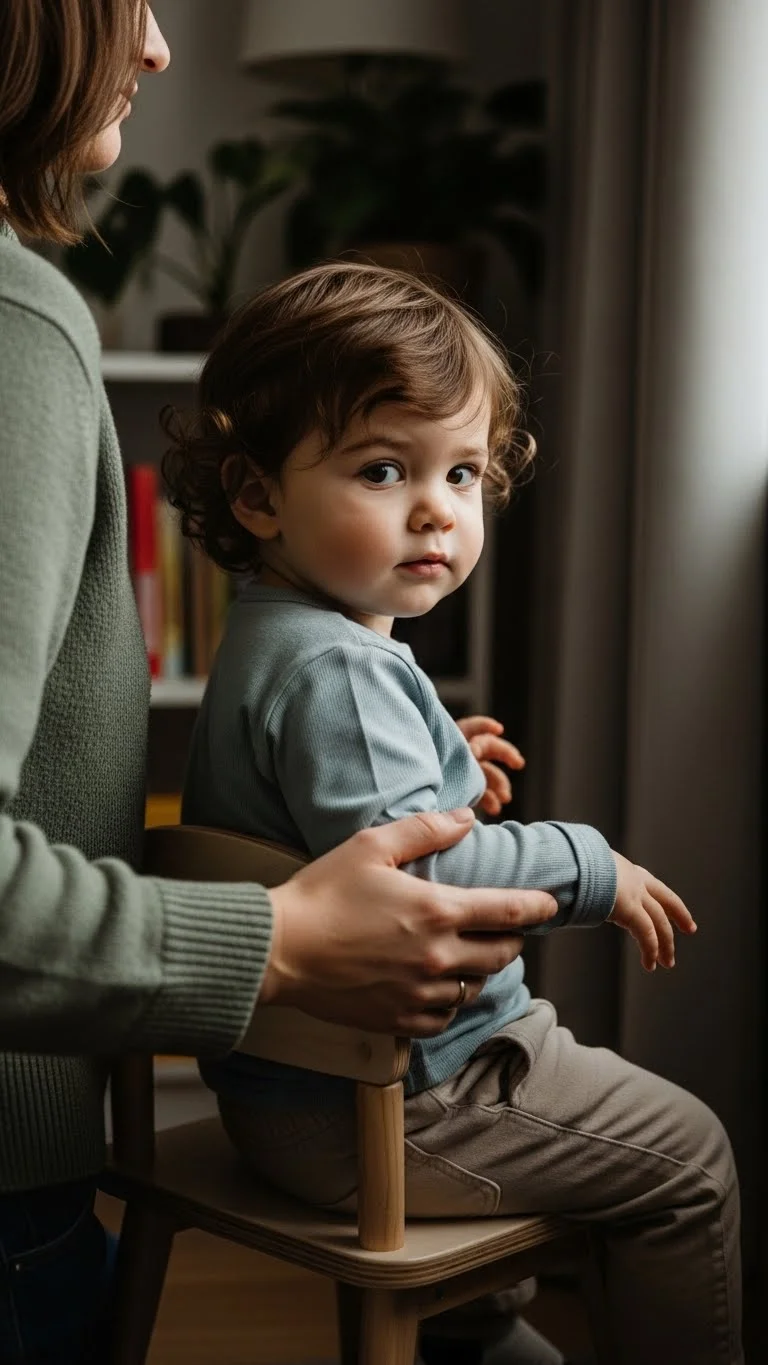
Short time-apart moments help toddlers reset. Keep it brief. One minute per year of age works well. Stay nearby. This is not isolation. Explain simply. “We sit to calm our body.” No lectures. When time ends, reconnect with a hug or kind word. This keeps the focus on calming, not shame. A quiet corner or chair works fine. No special setup required.
10. Model the Behaviour You Want 
Toddlers copy adults. Say please. Use gentle hands. Clean up together. Your actions teach more than words. This method costs nothing and works all day long. When you make a mistake, say sorry. This shows accountability. Over time, toddlers mirror what they see. Calm behavior from you leads to calmer responses from them.
11. Use Short, Clear Language 
Long explanations overwhelm toddlers. Use short sentences. One idea at a time. “Feet on the floor.” Pause and wait. Give them time to process. This reduces power struggles. Clear language also helps caregivers stay consistent. Write down key phrases if needed. Repeating the same words builds understanding faster than changing explanations.
12. Prepare Toddlers Before Transitions
Toddlers struggle when activities end suddenly. A short warning helps their brain switch gears. Give clear time cues like “two more minutes” or “one last turn.” Show fingers or set a simple phone timer. This costs nothing and works well. Say the same phrase each time so it becomes familiar. When time is up, follow through calmly. Avoid extra talking. Toddlers may protest at first, and that’s normal. Stay steady and kind. Over time, your child learns that warnings mean action. This lowers surprise and reduces pushback. Use transition cues before meals, baths, leaving the house, or bedtime. Songs also work well. Predictable signals help toddlers feel prepared rather than controlled. Preparation often prevents meltdowns before they start.
13. Guide With Gentle Physical Support 
Toddlers often need hands-on guidance while learning limits. If words don’t work, gently move their hands or body to show what is allowed. Keep movements slow and calm. Pair touch with a short phrase like “hands down” or “feet on the floor.” Avoid grabbing or pulling. The goal is teaching, not control. This approach works well for safety issues like hitting, climbing, or throwing. No special tools required. Stay close and steady. Over time, toddlers begin to respond to words alone. Gentle guidance builds understanding without fear. It also shows respect for your child’s body. This method supports learning while keeping everyone safe.
14. Match Expectations to Toddler Age 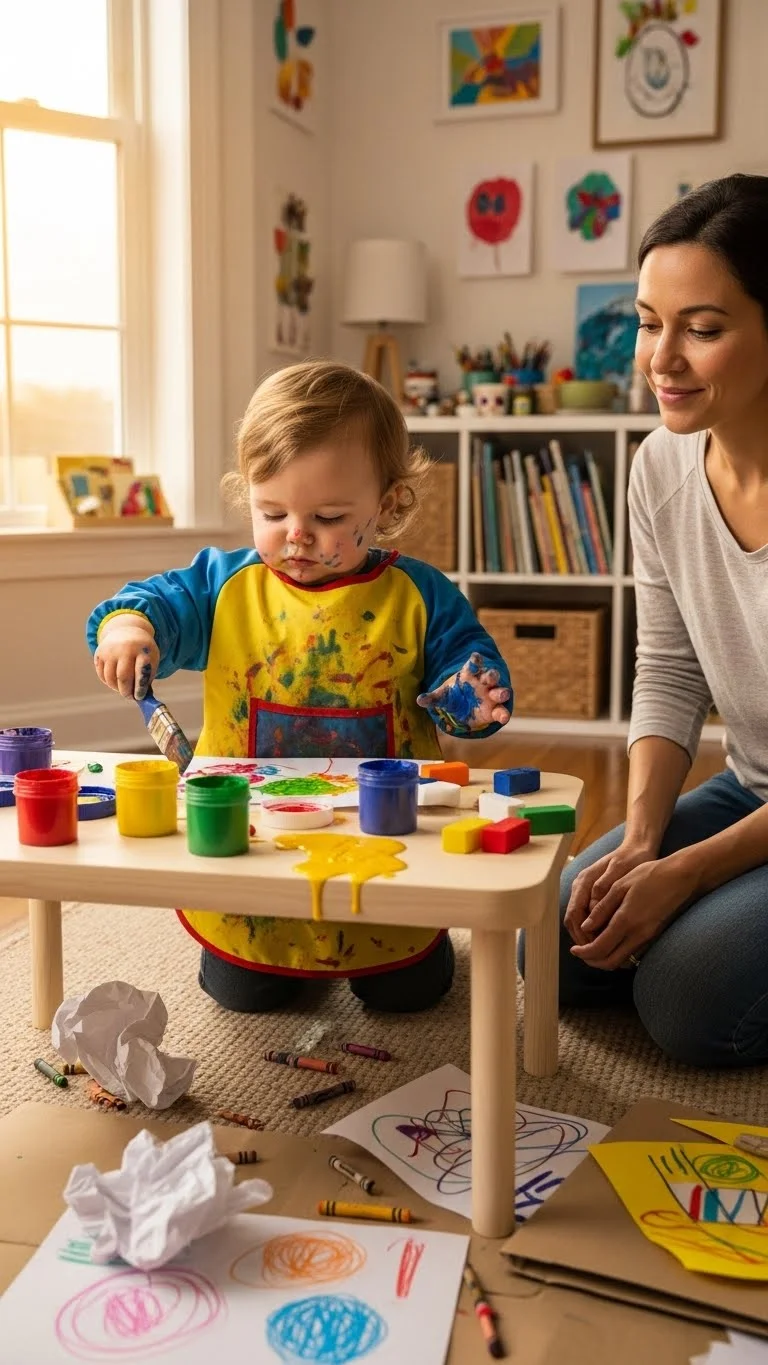
Toddlers are still learning impulse control. Expecting long periods of quiet or perfect behavior leads to frustration. Keep expectations realistic. Spills, noise, and repetition are part of this stage. Focus on safety and kindness. Let small things go when possible. This mindset shift costs nothing and reduces daily tension. When expectations match ability, discipline feels calmer. Offer help instead of correction when tasks feel hard. Break activities into small steps. Celebrate effort, not results. Over time, skills grow naturally. Patience with age-appropriate limits helps toddlers feel supported while learning self-control.
15. Use Simple Visual Reminders 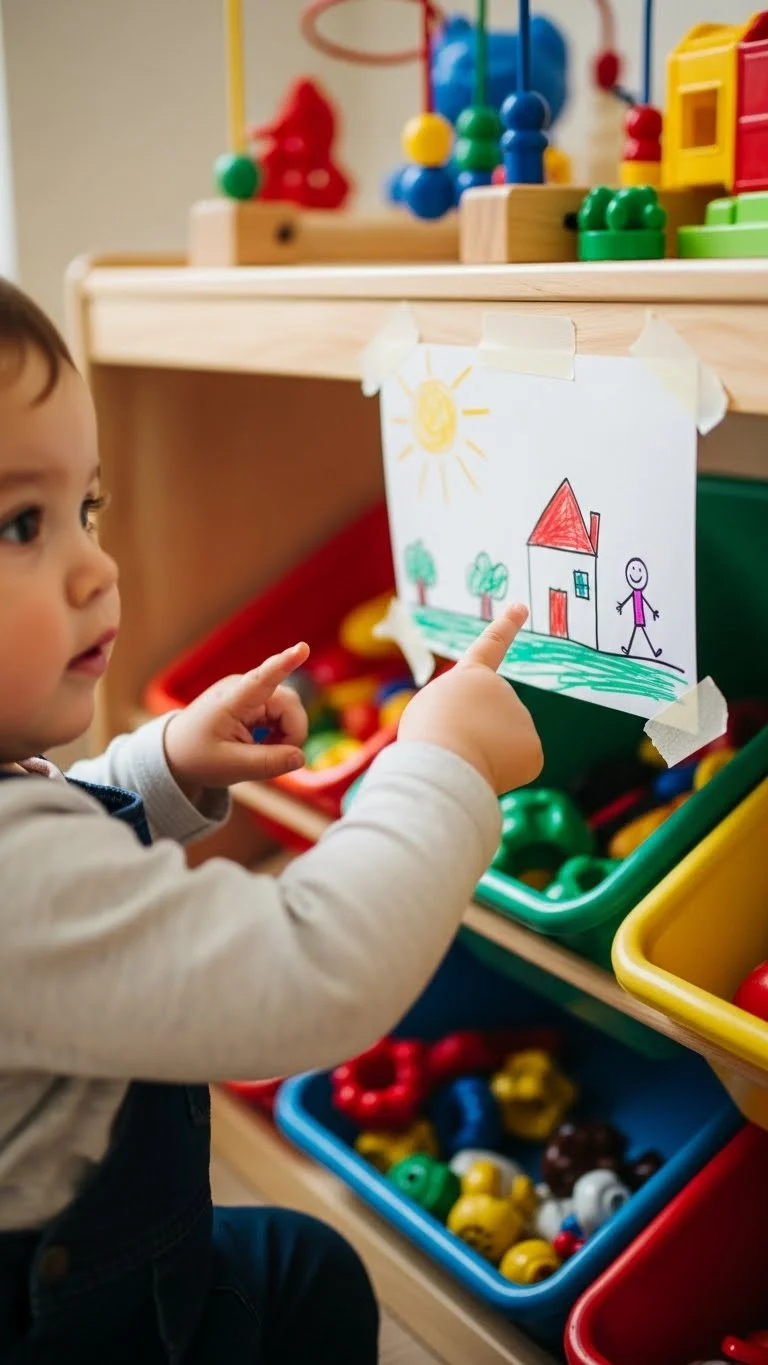
Visual cues help toddlers remember rules. Draw simple pictures showing gentle hands, toys on shelves, or shoes by the door. Stick figures work fine. Tape them near problem areas. This is a low-cost way to reduce repeated reminders. Point to the picture instead of repeating the rule. Toddlers process images faster than long explanations. Visuals also support consistency between adults. Over time, toddlers start checking the picture on their own. This builds independence and understanding. Keep visuals simple and uncluttered. Change them as routines change. Small drawings can make a big difference in daily behavior.
16. Name Feelings Without Lengthy Talks 
Acknowledging feelings helps toddlers feel understood. Keep it short. Say “you’re angry” or “you’re sad.” Avoid long discussions during upset moments. After naming the feeling, restate the limit. “You’re mad. Hitting stops.” This shows feelings are okay while boundaries stay firm. No extra tools needed. Calm tone matters more than perfect wording. Over time, toddlers learn words for emotions and feel less need to act them out. This habit builds emotional awareness in small steps. Keep it simple and repeat often.
17. Follow Through on Small Statements 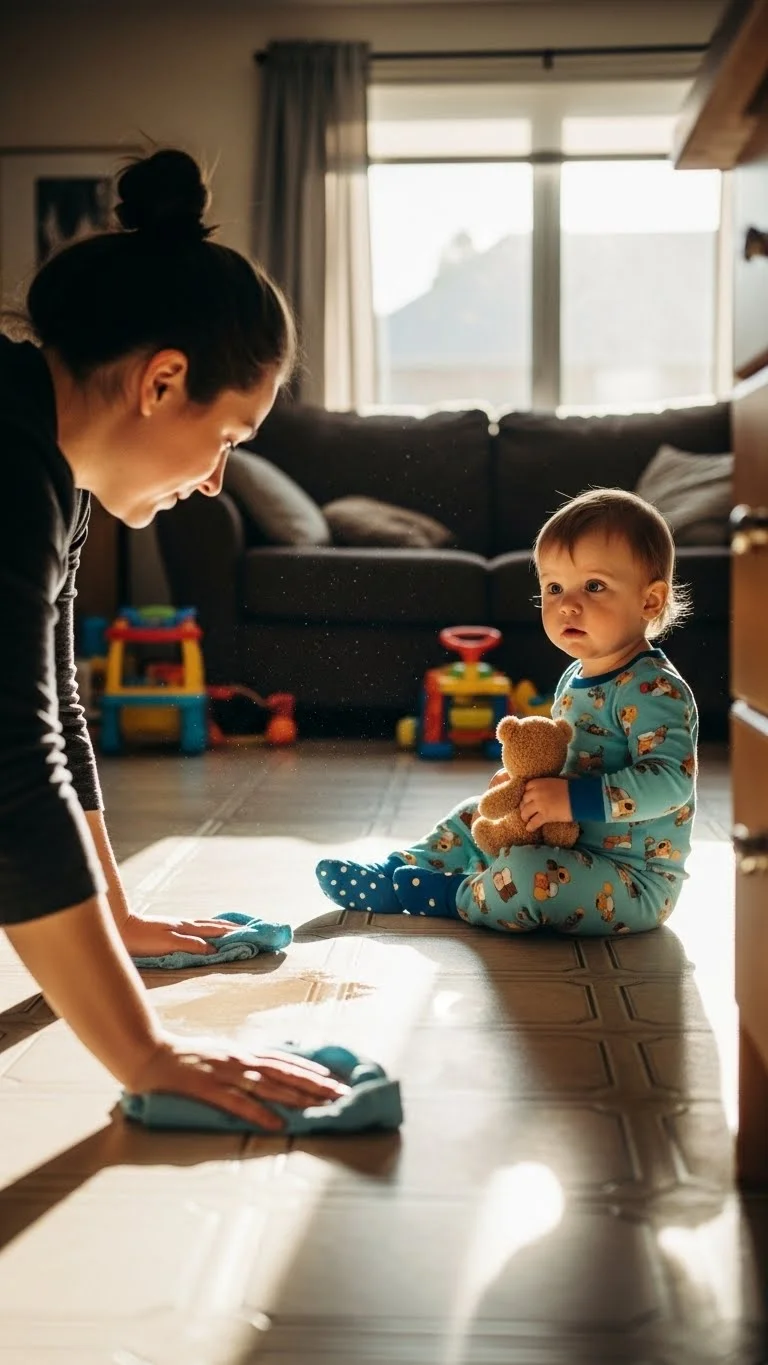
Toddlers watch what adults do more than what they say. Only make statements you can follow through on. If you say toys will rest, let them rest. Empty threats confuse toddlers. Small follow-through builds trust. Keep consequences simple and connected to behavior. Stay calm and neutral. Over time, toddlers learn that words have meaning. This reduces testing and power struggles. Write down common phrases if needed so responses stay consistent. Reliability shapes behavior more than intensity.
18. Teach Limits Through Play
Play is a natural learning tool for toddlers. Use dolls, cars, or stuffed animals to act out sharing, gentle hands, or waiting turns. Keep scenes short and light. This works well during calm moments. No purchases required. Toddlers often repeat lessons learned through play more easily than spoken rules. Let your child lead sometimes. Gently guide the story back to the lesson. Play-based learning feels safe and memorable. It supports understanding without pressure.
19. Reduce Overstimulation at Home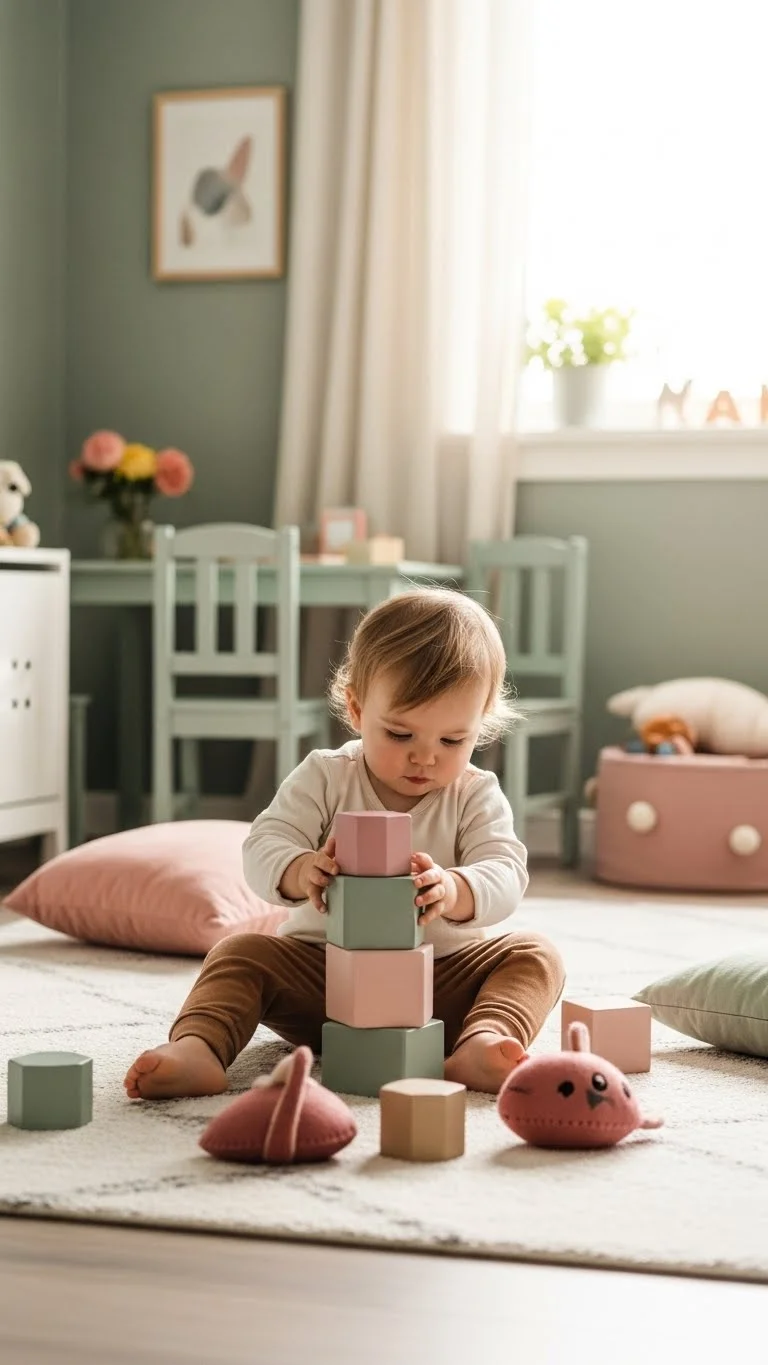
Too much noise or clutter can overwhelm toddlers. Limit how many toys are out at one time. Rotate toys weekly and store extras out of sight. This costs nothing and often improves focus. Fewer choices lead to calmer play. Notice if behavior improves in quieter spaces. Soft lighting and clear play areas also help. Overstimulation often looks like misbehavior. Adjusting the environment can prevent issues before they start. Simple changes at home can support calmer days.
20. Keep Responses Consistent Between Adults 
Toddlers learn faster when adults respond the same way. Talk with partners, grandparents, or caregivers about basic rules and phrases. Use the same words for common situations like hitting, throwing, or cleanup. This avoids mixed messages. When one adult allows a behavior, and another stops it, toddlers test more. Consistency reduces the testing. Keep rules few and easy to remember. Write them down if helpful. Share routines so everyone follows the same flow. This doesn’t require perfection, just effort. When adults stay aligned, toddlers feel more secure. Clear patterns help them predict outcomes and adjust behavior faster. Consistent responses also reduce daily frustration for adults. A united approach creates calmer interactions and smoother days.
21. Use Light Humor to Ease Tension
Humor can soften moments before they turn into meltdowns. A silly voice, playful walk, or funny face can redirect attention. This works best when behavior is mild, not unsafe. Keep humor kind, never mocking. The goal is connection, not distraction from limits. After the laugh, restate the rule briefly. Toddlers often reset faster when tension drops. Humor costs nothing and fits easily into daily life. It also models flexibility and warmth. Use it sparingly so it stays effective. Over time, playful redirection can prevent small issues from growing into bigger struggles.
22. Focus on One Behavior at a Time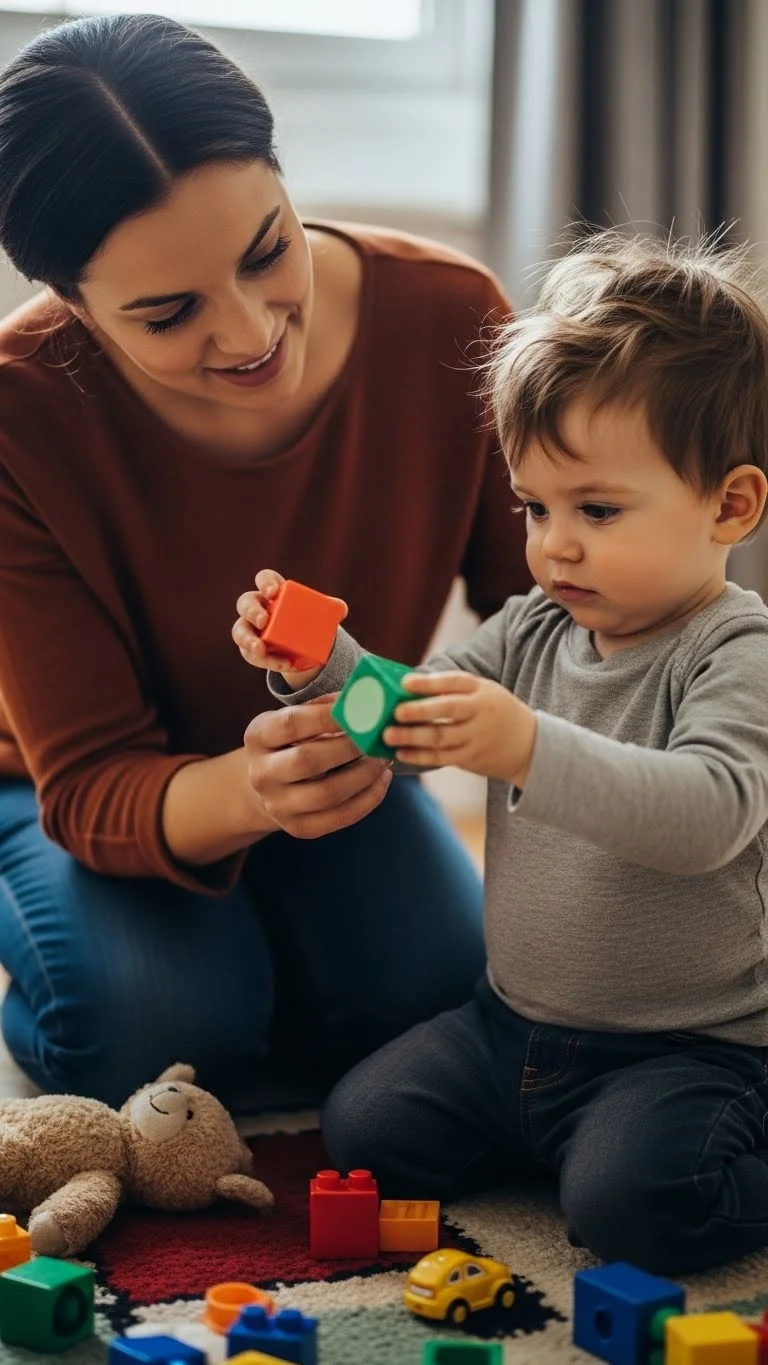
Trying to correct everything at once overwhelms toddlers. Choose one behavior to work on and stick with it for a while. This gives your child a clear target. Keep reminders short and consistent. When progress shows, move on to the next behavior. This focused approach reduces frustration for everyone. It also helps adults stay calmer and more patient. Write down your current focus if needed. Celebrate small improvements. Gradual change works better than constant correction. Over time, steady focus leads to lasting habits and fewer power struggles.
23. Reconnect After Discipline Moments 
After correction, toddlers need reassurance. A hug, gentle touch, or kind word shows that the connection remains. Keep it simple. No long talks required. This repair helps toddlers feel safe after big feelings. It also teaches that mistakes don’t end relationships. Reconnection reduces fear and builds trust. Wait until calm returns before reconnecting. This balance of limits and warmth supports emotional growth. Over time, toddlers recover faster from conflicts and feel more secure with boundaries in place.
24. Support Your Own Calm First 
Toddlers sense adult stress quickly. When you feel overwhelmed, discipline becomes harder. Take short breaks when possible. Step into another room. Breathe slowly. Ask for help when available. Simple self-care supports patience and consistency. You don’t need perfection, just awareness. A calmer adult leads to calmer interactions. This isn’t selfish; it supports better parenting moments. Small pauses during the day can reset your mood. When you care for yourself, guiding toddler behavior feels more manageable and steady.
Conclusion
Strong toddler discipline relies on clear patterns, calm reactions, and steady follow-through. Small daily actions shape behavior over time. Choose a few ideas that fit your home and practice them regularly. Simple habits, used with patience, help toddlers learn limits while feeling safe and supported.
