

24 Working Mom Hacks to Balance Life Better

 Working moms juggle paid work, family care, home duties, and personal goals every single day. Most are searching for realistic ways to manage time, energy, and money without pressure or guilt. This guide focuses on simple habits that fit real schedules and real budgets. These ideas help working moms organize days, protect energy, and create smoother routines at home and work. No fancy systems. No expensive tools. Just practical actions that save time, lower stress, and make daily life feel more manageable.
1. Plan the Week on Paper, Not Apps 
Paper planning feels simple for a reason. It works. A basic notebook helps clear mental clutter fast. Write work shifts, school timings, meals, and errands in one place. Seeing the week at a glance cuts repetitive thinking. That saves energy. Use a cheap lined notebook or a leftover school diary. No special layouts required. One page per week is enough. Add checkboxes for meals and laundry days. Keep it visible on the kitchen counter. This habit keeps planning realistic. You notice tight days early. You avoid stacking too many tasks together. If a day looks packed, move one task out. Paper plans are easy to adjust. Scratch things out. Rewrite. No pressure to make it look neat. The goal is clarity, not perfection. Many moms find this method easier than phone apps. No logins. No alerts. Just a pen and five quiet minutes.
2. Cook Once, Eat Twice 
Cooking every day drains time and energy. A smarter approach is doubling meals. When making dinner, cook extra portions. Store half for later. This works well with rice, lentils, pasta, curries, soups, and roasted vegetables. Use basic containers. Even reused takeaway boxes work fine. Label meals mentally. Monday dinner becomes Wednesday lunch. This reduces weekday cooking stress. It also lowers food waste. Budget stays under control. Buying ingredients in slightly larger amounts often costs less. Gas and electricity use also drops. Keep one freezer section for ready meals. This acts as a backup on tired evenings. No last-minute takeout runs. The goal is fewer cooking sessions, not fancy food. Simple repeats save hours every week.
3. Set a Daily Shutdown Time 
Work can quietly stretch into family time. A fixed shutdown time draws a clear line. Pick a realistic hour. Stick to it most days. At shutdown, close the laptop. Write tomorrow’s top task on paper. This clears your head. You stop replaying work later. Tell coworkers your usual offline hours. Most respect boundaries when stated early. If working from home, pack work items into a bag or drawer. Physical separation helps the mind switch roles. This habit protects evenings. Kids feel your presence. You also rest better. Balance improves when work has an end point. Even imperfect days feel lighter with this rule.
4. Keep Morning Routines Boring 
Excitement is great. Mornings are not the time. Boring routines run smoother. Wake-up time, clothes, breakfast, bags. Same order daily. Less decision-making means fewer delays. Lay out clothes at night. Simple outfits only. Rotate a few favorites each week. Repeat breakfasts. Toast. Eggs. Oats. Nothing complicated. Kids adjust faster with repetition. Arguments drop. Everyone moves faster. Save creativity for weekends. Calm mornings protect energy for the rest of the day.
5. Use a Family Command Spot 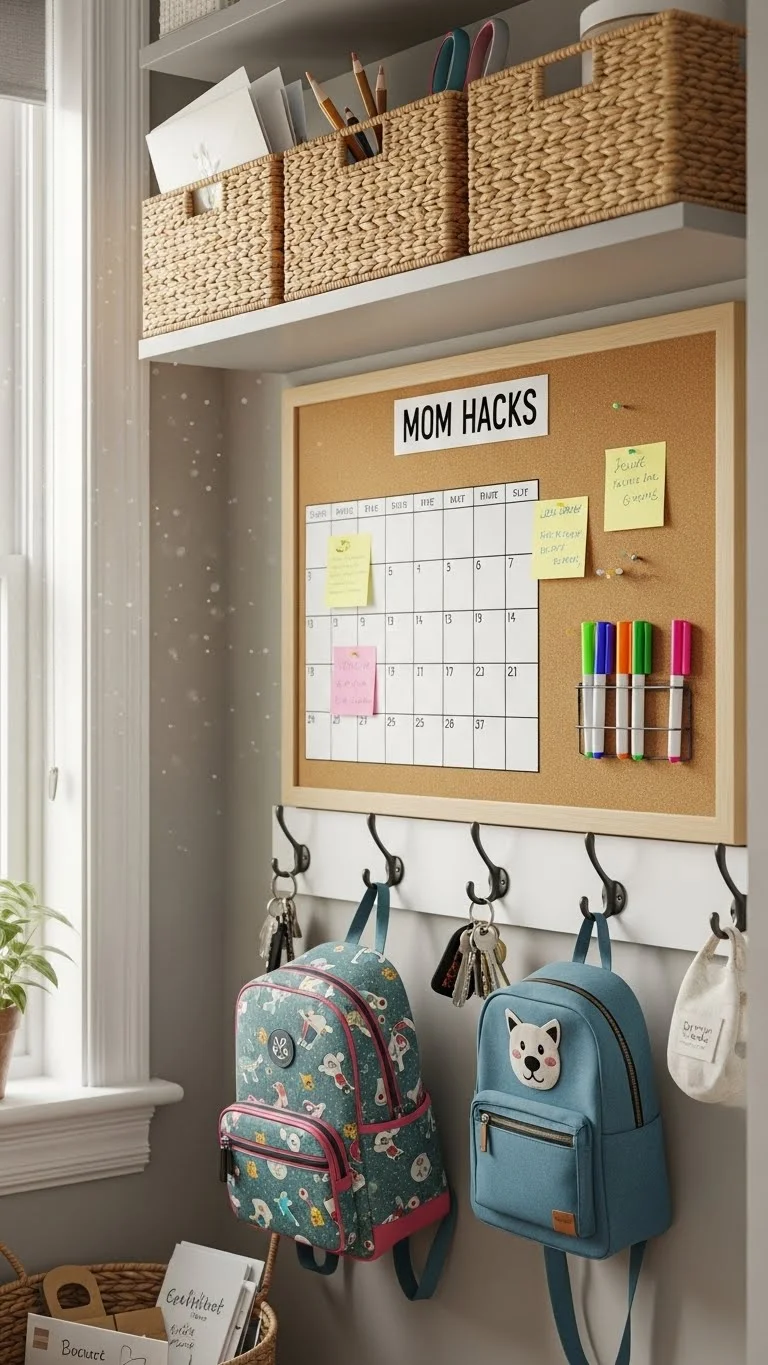
Information scattered across rooms causes confusion. One shared spot fixes this. Choose a wall near the door. Add hooks for keys. A basket for papers. A calendar for dates. This reduces searching time. Everyone knows where to check. Use items already at home. Old trays work as organizers. Clip papers with clothespins. Update the space once a week. Five minutes is enough. Order improves when information stays visible.
6. Pick Three Tasks Per Day 
Long to-do lists overwhelm fast. A short list works better. Each morning, write three tasks only. These are the focus. Everything else is extra. Completion feels achievable. Motivation stays steady. This method fits busy schedules. Even on rough days, three tasks often get done. Use sticky notes or scrap paper. No apps needed. Small wins build momentum across the week.
7. Lower Cleaning Standards on Workdays 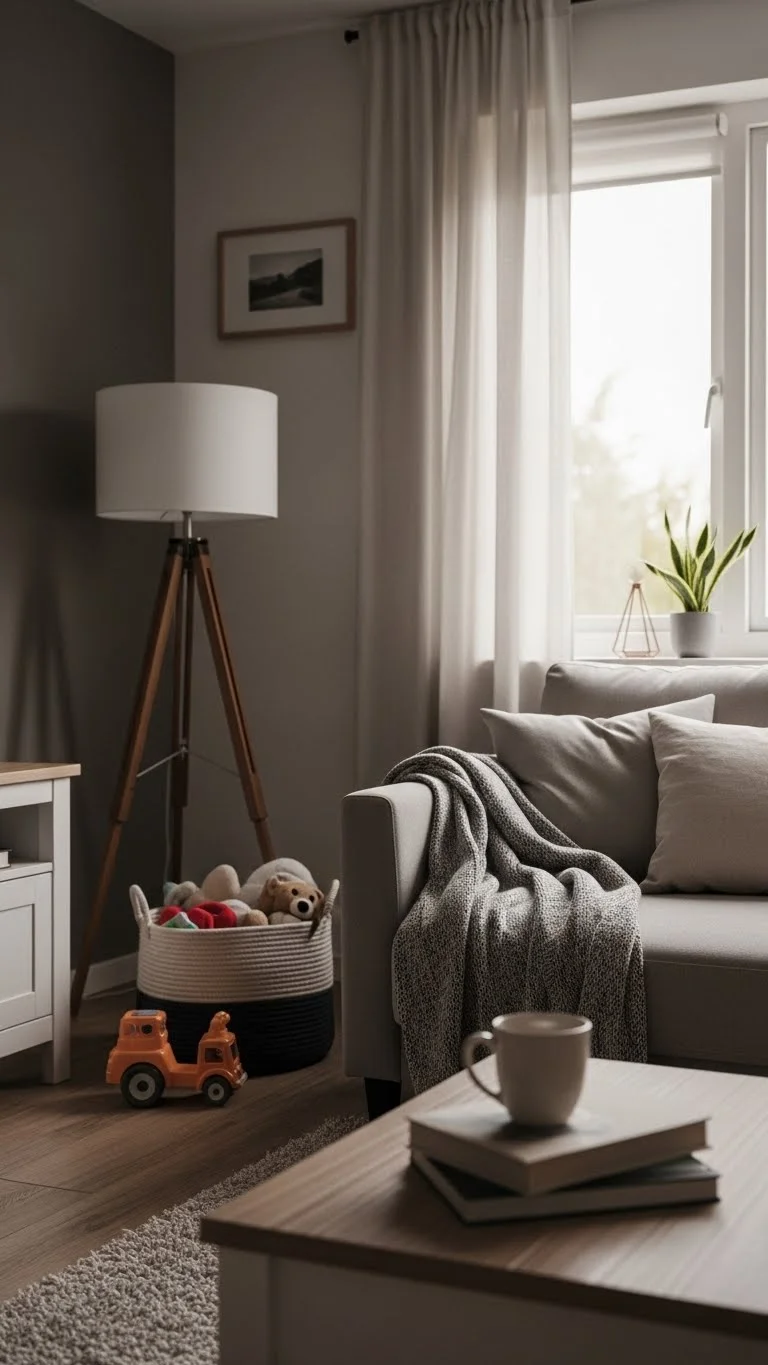
Workdays are not deep-clean days. Accepting this changes everything. Focus on basics only. Dishes. Trash. Quick floor sweep. Leave detailed cleaning for weekends or days off. Lower standards reduce frustration. The house still functions. Kids learn that homes are for living, not perfection. Energy saved here can go to rest or family time.
8. Create a Grab-and-Go Breakfast Box 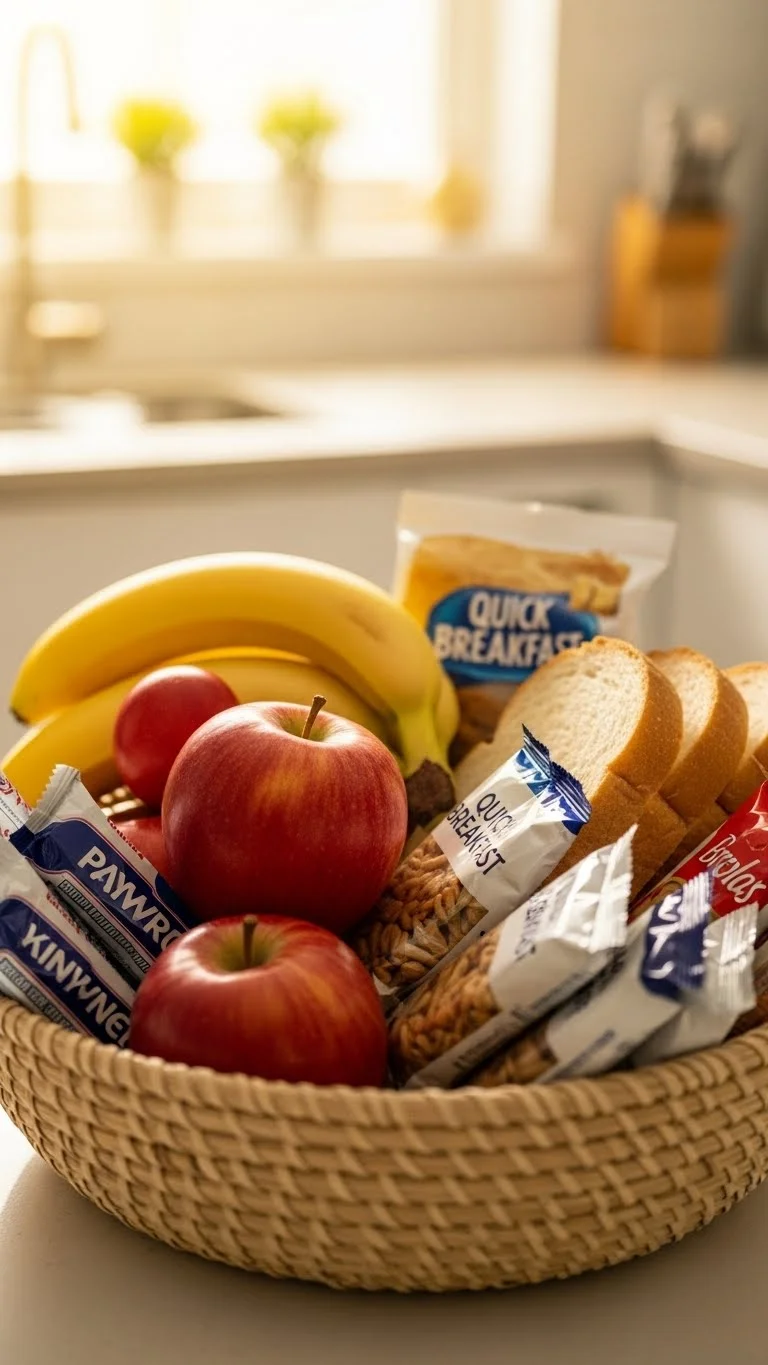
Mornings can unravel fast when breakfast takes too much thought. A grab-and-go breakfast box removes that pressure. Use one basket or plastic container and keep it stocked with simple items. Bananas, apples, bread, peanut butter, boiled eggs, or packaged snacks all work well. Place the box at eye level so kids can help themselves. This habit saves time and reduces arguments. No one waits for food to be made. You also avoid skipping breakfast on rushed days. Refill the box once or twice a week during grocery unpacking. Use what fits your budget. Store-brand items work just fine. The goal is speed, not variety. When mornings feel calmer, the whole day starts better.
9. Combine Errands with Commutes 
Running errands on separate trips eats up evenings. Combining errands with your daily commute saves hours every week. Stop by the grocery store near work. Pick up supplies close to school drop-off. Keep a small running list in your bag or phone. Add items as soon as you notice they’re low. This avoids extra trips later. Even one combined errand day can free up an entire evening. Fuel costs drop. Travel time shrinks. Energy stays higher. This habit works best with light planning. Look at your routes once a week and match errands to places you already pass. Simple adjustments lead to smoother weeks without feeling rushed.
10. Prep Clothes in Weekly Batches 
Daily outfit decisions add stress. Preparing clothes in weekly batches removes that problem. Choose outfits for three to five days at once. Stack shirts, pants, socks, and accessories together. Kids get dressed faster. You avoid last-minute laundry panic. Mornings become predictable. This habit doesn’t require new clothes. Rotate what’s already in the closet. Simple combinations work best. Keep colors neutral for easy matching. Set aside ten minutes on the weekend to prep. Store outfits on one shelf or hanger section. Clothing prep may seem small, but it saves time every single day. Less thinking in the morning leaves more patience for everything else.
11. Use Voice Notes for Mental Clutter 
Thoughts pile up during busy days. Voice notes offer a quick release. Record reminders while cooking, walking, or driving. No writing required. Use voice notes for grocery ideas, work tasks, or sudden reminders. Later, listen and write down only what matters. This clears mental space fast. This method works well when hands are busy and time is short. It prevents forgetting small but important tasks. There’s no cost and no setup. Just use your phone. Clearing mental clutter helps you focus better and feel less overwhelmed by unfinished thoughts.
12. Teach Kids Small Responsibilities Early 
Kids can handle more responsibility than we often expect. Start with simple, repeatable tasks. Shoes by the door. Toys into baskets. School bags in one spot. These small actions reduce your workload over time. They also build routine and independence. Skip rewards. Focus on consistency instead. Explain once. Practice together. Repeat daily. Results improve with time.
Use tools that make tasks easy. Low hooks. Open bins. Clear spaces. Shared responsibility keeps the home running smoothly and teaches kids how daily life works.
13. Keep One “No-Plan” Evening 
Busy schedules fill up fast. One no-plan evening creates breathing room. No activities. No visitors. No errands. Use the time however it feels right. Rest. Talk. Watch something light. Do nothing. This pause helps reset energy and mood. It also gives space for connection without pressure. Protect this evening like any other commitment. It’s just as meaningful as scheduled tasks. When rest has a place in the week, balance becomes easier to maintain.
14. Create Work-from-Home Boundaries
Working from home can blur personal and work time. Clear boundaries help restore balance. Choose one spot for work, even if it’s small. Use it only for job tasks. Set fixed work hours when possible. When the workday ends, close the laptop and leave the space. Avoid checking emails from the couch or bed. Physical separation helps your mind switch roles. Family time feels more present. Rest feels deeper. This setup doesn’t require a home office. A table and chair are enough. Simple boundaries protect both productivity and personal life.
15. Simplify School Communication
School messages arrive from many places. Emails, papers, group chats. Simplifying this saves time. Choose one time each day to check updates. Not all day long. Sort papers into one folder. Review them once a week. Write dates and reminders on the family calendar right away. This prevents last-minute surprises. Reducing constant checking lowers stress. You stay informed without feeling overwhelmed. Simple systems work best when life feels busy.
16. Use Weekend Power Hours
A short, focused effort beats scattered tasks. Choose one power hour on the weekend. Use it to prep for the week. Wash uniforms. Cut vegetables. Refill snacks. Portion meals. Set a timer and stop when it rings. This prevents burnout. One hour of prep can save several hours later. Weekdays feel lighter. Decisions drop. Power hours create structure without taking over your weekend.
17. Say No Without Explaining
Overcommitting drains time and energy. Saying no protects both. Short responses work best. “I can’t this time.” That’s enough. You don’t owe long explanations. Your schedule matters. Saying no becomes easier with practice. Guilt fades as balance improves. Protecting time allows you to show up better where it counts most. Boundaries are a form of self-respect.
18. Keep Emergency Easy Meals Ready
Some days fall apart. Easy meals save them. Keep a few simple options ready at all times. Eggs, noodles, canned beans, frozen vegetables, bread. These come together quickly. No planning required. No stress. This habit prevents last-minute takeout spending and decision fatigue. Easy meals are not a failure. They are a backup plan that keeps evenings calm.
19. Block Social Media Time
Scrolling steals time quietly. Blocking social media time brings awareness back. Choose one or two specific times to check apps. Avoid random use throughout the day. This frees minutes that add up fast. More time for rest. More focus on tasks. Put the phone face down during meals or family time. Less screen time helps energy last longer.
20. Keep One Bag Always Packed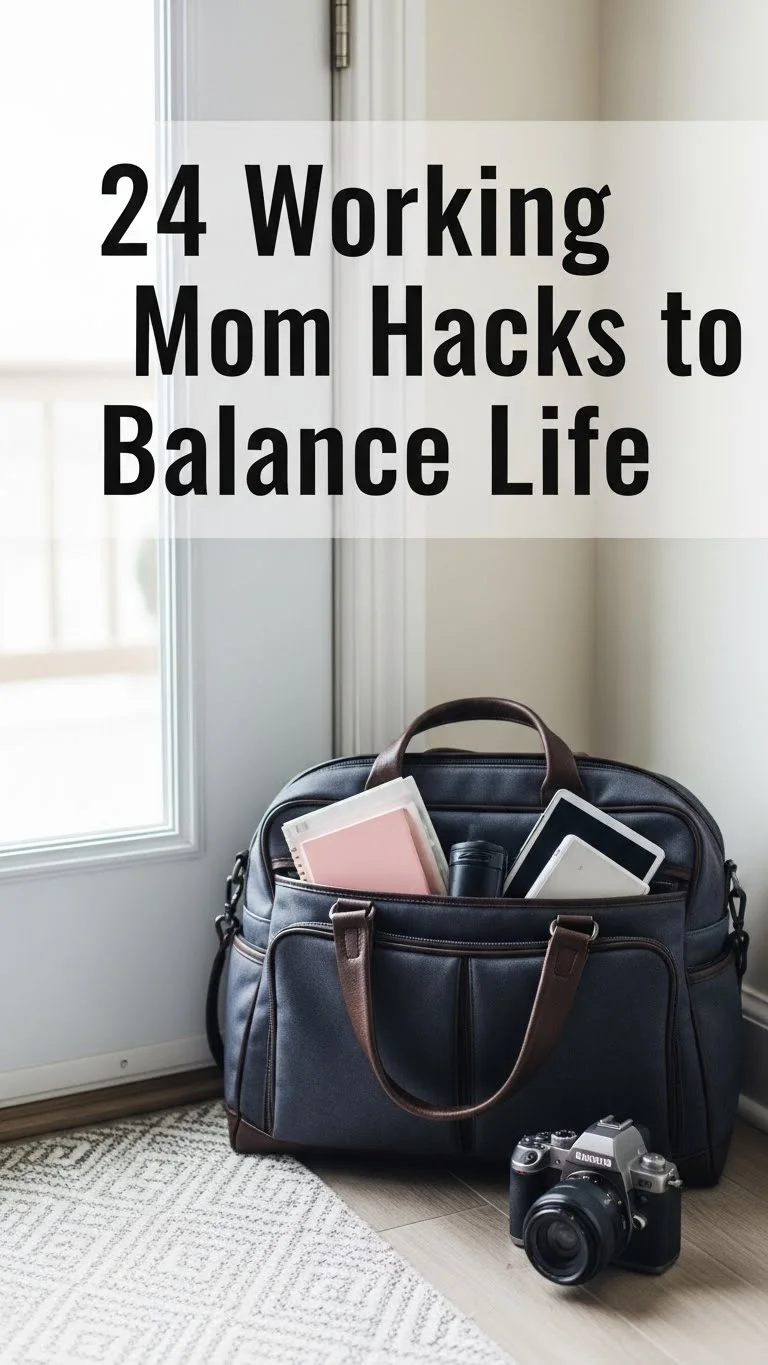
Rushed mornings often start with searching for missing items. Keeping one bag always packed removes that stress. Choose a sturdy bag and make it your daily go-to. Store essentials inside and keep them there at all times. Items like chargers, pens, lip balm, hand sanitizer, and a small notebook should live in the bag permanently. Once a week, take two minutes to check it. Refill what ran out. Remove clutter. Place the bag near the door so it’s the last thing you grab. This habit reduces delays and forgotten items. It also lowers mental load. You don’t waste energy thinking about what to pack each day. Small preparations like this make leaving the house calmer and faster.
21. Schedule Short Personal Breaks 
Personal breaks don’t have to be long to matter. Even ten quiet minutes can reset your mood. Short pauses help prevent burnout during packed days. Choose simple activities. Sitting in silence. Stretching. Stepping outside for fresh air. Treat these breaks like appointments. Put them on your calendar if needed. Let family members know this time is off-limits unless urgent. Avoid using the phone during breaks. Scrolling often drains energy instead of restoring it. These small pauses improve patience and focus. Over time, they make busy days feel more manageable. Regular rest, even in short bursts, supports long-term balance.
22. Rotate Simple Family Dinners 
Daily dinner decisions create unnecessary stress. Rotating simple family dinners removes that burden. Choose five or six easy meals everyone accepts. Repeat them weekly. This routine speeds up grocery shopping and cooking. You already know what ingredients are required. No guessing. No last-minute changes. Simple meals also reduce food waste. Leftovers get used more often. Costs stay predictable. Kids feel comfortable with familiar food. Mealtime arguments drop. This approach isn’t about creativity. It’s about consistency. Reliable dinners free up mental space and evening energy, making nights calmer after long workdays.
23. Keep Expectations Real
Trying to do everything perfectly creates constant pressure. Keeping expectations real brings relief. Some days run smoothly. Others fall apart. That’s normal. Focus on what moved forward instead of what didn’t. A completed task counts, even if the rest waits. Comparison with others often leads to frustration. Every household runs differently. Allow flexibility. Plans change. Energy levels shift. Giving yourself grace supports emotional balance. When expectations stay grounded, guilt fades. You respond better to challenges instead of feeling defeated. Realistic thinking makes daily life feel lighter and more forgiving.
24. Review What Works Monthly
Once a month, take time to review your routines. Ask simple questions. What helped this month? What drained energy? Keep habits that made life easier. Let go of those that didn’t. Small adjustments create steady improvement. Write notes on paper. No complicated tracking required. This reflection helps you stay aware of changing schedules and priorities. Life shifts often. What worked last month may not work now. Regular reviews keep routines flexible and supportive. Balance improves when habits evolve along with real life.
Conclusion
Working mom life stays busy, but balance becomes possible through small habits that fit real days. These hacks focus on saving time, protecting energy, and lowering stress without spending more money. Choose two or three ideas to start. Build from there. Simple actions repeated often shape calmer weeks and steadier routines.
